
A website is not just a digital brochure. For bars and pubs, it’s often the first interaction a potential customer has with the business, setting expectations before they ever walk through the door.
In fact, PR Newswire reports that 76% of consumers check a business’s online presence before visiting in person. An eye-catching bar website design can help turn that first impression into a reason to visit. Meanwhile, a poorly built website can send customers elsewhere.
In this article, we’ll discuss five bar website design improvements that can help attract more bar-goers, increase engagement, and drive foot traffic.
Why Your Bar Website Design Is More Important Than You Think
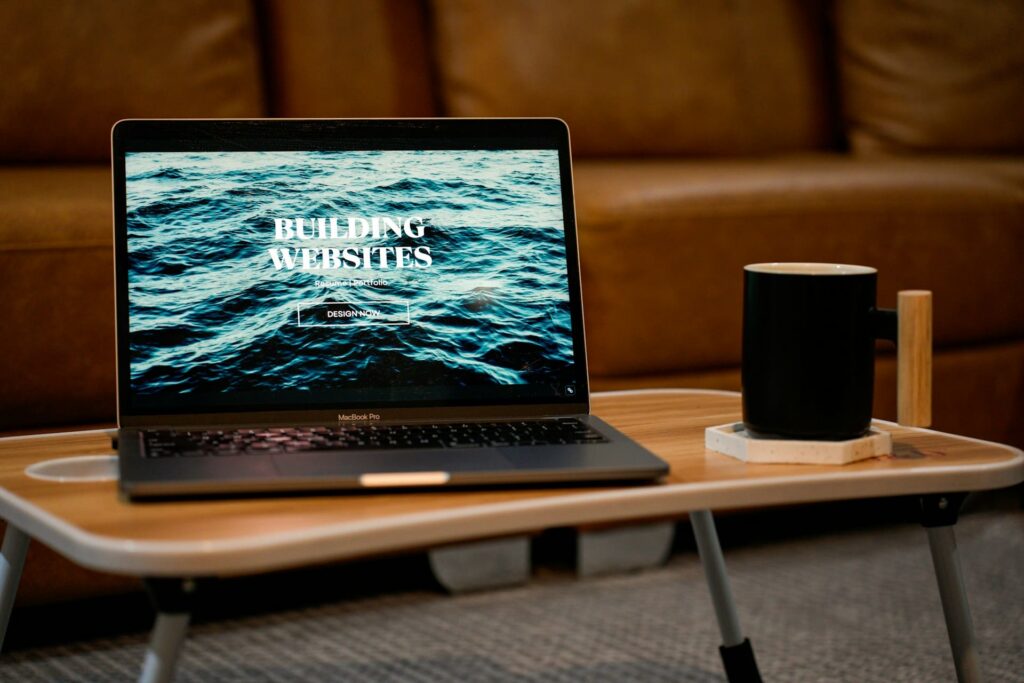
Good pub website design helps turn online interest into real-world visits by making the business look appealing, accessible, and easy to choose.
It’s the First Impression for Most New Customers
DataAchieve Digital reports that 94% of first impressions of a website are design-related.
A dated layout, confusing navigation, or poor-quality imagery can create doubts before a customer has even considered visiting.
A polished site, on the other hand, can immediately communicate the bar’s atmosphere, personality, and level of service.
Mobile-Friendly Bar Website Is Now the Default
Mobile browsing has become the norm for discovering businesses. Integral Ad Science (IAS) found that 78% of consumers use their mobile phones to shop, ahead of desktops and tablets.
Bar websites need to accommodate that behaviour.
It Directly Affects Whether People Actually Show Up
A website can turn curiosity into a visit when it answers the questions customers have before heading out. Clear opening hours, an easy-to-find address, current menus, event information, booking options, and prominent directions remove friction at the decision-making stage.
If those details are missing or difficult to find, potential customers may abandon the search and choose another venue.
Speed Alone Can Make or Break a Visit
Slow pages can undermine an otherwise attractive website. HubSpot cites research showing that reducing mobile site speed by 0.1 seconds can result in an 8% increase in conversions.
Faster loading can mean more visitors actually reach the information they need instead of leaving before the page appears. A striking bar website design can become a direct driver of footfall and revenue.
A bar’s website is not competing with other bars alone, as it is competing with every other fast, well-designed website a customer interacts with daily, and expectations have risen accordingly.
Common Bar Website Mistakes: Why They Cost You Customers
Even a busy venue can lose potential customers online when its website creates unnecessary friction. An appealing bar website design removes these obstacles and helps visitors take action:
Treating the Website as an Afterthought
Many bars still treat their website as a static digital business card rather than an active tool for driving bookings, orders, and footfall. That mindset often explains the other problems that follow.
An outdated site may contain the basic details, but it does little to persuade visitors to make a reservation, explore the menu, or visit the venue.
Ignoring Mobile Performance
A website that looks polished on desktop but loads slowly or displays awkwardly on mobile is, for many visitors, simply a broken website.
Baymard’s 2025 benchmark found that 67% of mobile sites had mediocre-to-poor homepage and category navigation performance. The report highlights how widespread mobile usability problems remain across e-commerce.
A mobile-friendly bar website should make menus, bookings, directions, and contact details simple to access on smaller screens.
Burying the Essentials
Opening hours, location, phone number, and menu should never require more than one or two taps to find. Customers looking for basic information should not have to dig through several pages.
Every extra step in selling the brand gives them another opportunity to leave and choose a competitor.
Overloading Pages With Heavy Content
Large, uncompressed images and unnecessary scripts can significantly slow page loading. High-quality visuals matter for hospitality, but they need to be optimised so the site still feels fast and responsive.
No Clear Call to Action
A website without an obvious next step leaves visitors unsure what to do. Clear buttons such as “Book a Table,” “View Menu,” or “Order Online” give customers a direct path forward. Prominent CTAs can also support reservations by making the booking journey easier to spot and start.
Fixing these bar website mistakes does not require a complete rebuild. It requires focused, deliberate improvement in the areas that matter most, which is exactly what the next section covers.
5 Bar Website Design Improvements That Bring in More Customers
The best restaurant and bar website tips focus on removing friction, showcasing the venue, and helping visitors act quickly.
1. Build Mobile-First, Not Mobile-Responsive
There is a meaningful difference between a website that simply resizes for mobile and one genuinely designed for smaller screens first. Since smartphones are a primary way customers discover venues, the mobile experience deserves to lead the design process rather than follow it.
A mobile-friendly bar website should use large touch targets, thumb-friendly navigation, readable text, and buttons that work without pinch-to-zoom. Menus, directions, bookings, and opening hours should remain easy to access on a small screen.
2. Prioritise Speed and Core Web Vitals
A beautiful website loses its impact when customers have to wait for it to load. Core Web Vitals measure three aspects of user experience:
- Loading performance through Largest Contentful Paint (LCP)
- Responsiveness through Interaction to Next Paint (INP)
- Visual stability through Cumulative Layout Shift (CLS)
Google recommends an LCP of 2.5 seconds or less, an INP of 200 milliseconds or less, and a CLS of 0.1 or less at the 75th percentile.
Compressing images, reducing unnecessary scripts, and limiting third-party elements can help a bar website feel faster and more responsive.
3. Use Real Photography, Strategically Placed
Customers want to know what a bar, craft brewery, or taproom actually feels like before visiting. Authentic photographs of the bar, drinks, food, staff, events, and atmosphere give potential customers a more useful preview than generic stock images.
Strong bar website design uses photography where it supports a decision, such as near menus, booking buttons, event details, or venue information. High-quality images should still remain properly compressed so they do not undermine page speed.
4. Make Booking and Ordering Frictionless
Every additional step between landing on a page and completing a booking or order creates another opportunity for a customer to leave. A prominent “Book a Table” or “Order Online” button above the fold gives visitors a clear starting point, while a simple booking or ordering process keeps momentum going.
The same CTA should remain easy to find throughout the site, particularly on high-intent pages such as menus, upcoming events, and contact pages.
5. Optimise for Local Search and AI Overviews
A Google Business Profile effectively acts as a second homepage. Accurate business details, opening hours, location, photographs, and other relevant information help customers discover a venue through Google Search and Maps.
Google also supports local business structured data that can communicate details such as hours, menus, and reservation options to search engines.
Local SEO also needs to reflect how people actually search. Instead of relying solely on generic phrases, venues can use natural, occasion-specific language such as “best pub for a Sunday roast near me” across relevant website content.
Clear answers to these real-world queries can make a business easier for both traditional search and newer AI-powered discovery experiences to understand.
How to Improve Your Bar Website: Quick Tips Before You Redesign
A redesign does not always need to start with a blank screen. Smart bar website design begins with determining what already works, what causes problems, and where customers need a better experience.
Don’t Change Everything at Once
A complete website overhaul carries real risk when the changes have not been properly tested. Focused improvements to high-impact areas such as mobile speed, booking flows, and essential information can produce faster, more measurable results than rebuilding every page from scratch.
Small changes also make it easier to identify which improvements actually affect customer behaviour.
Set a Baseline Before You Start
A redesign needs something to measure against. Recording current page-load times, mobile bounce rates, and conversion rates creates a clear starting point.
Without those figures, a business cannot tell if its new website has genuinely improved performance or simply looks different.
Budget for Ongoing Maintenance, Not Just the Build
A website is not a one-off project that can be forgotten after launch. Menus, events, promotions, opening hours, and other content need regular updates.
Technical performance also requires periodic checks to catch broken links, outdated integrations, slow-loading elements, and other issues before they affect visitors.
Match the Investment to the Business’s Actual Needs
A neighbourhood pub does not require the same level of complexity as a multi-site bar group offering online ordering across several locations. The right investment depends on the venue’s size, goals, customer journey, and operational needs.
Matching functionality to those requirements helps businesses avoid both under-investing and paying for features they will never use.
Better Bar Website Design Means More Customers Through the Door
A bar website design showcases mobile usability, fast performance, clear information, engaging photography, simple booking options, and local visibility to turn online interest into real-world visits.
The Beer Post helps pubs, bars, breweries, and supply chain businesses get seen and get remembered. From website guidance to industry-wide exposure through news coverage, sponsored content, and advertising, it connects businesses with the audiences that matter.
Contact The Beer Post today and let’s put your business in front of more customers!