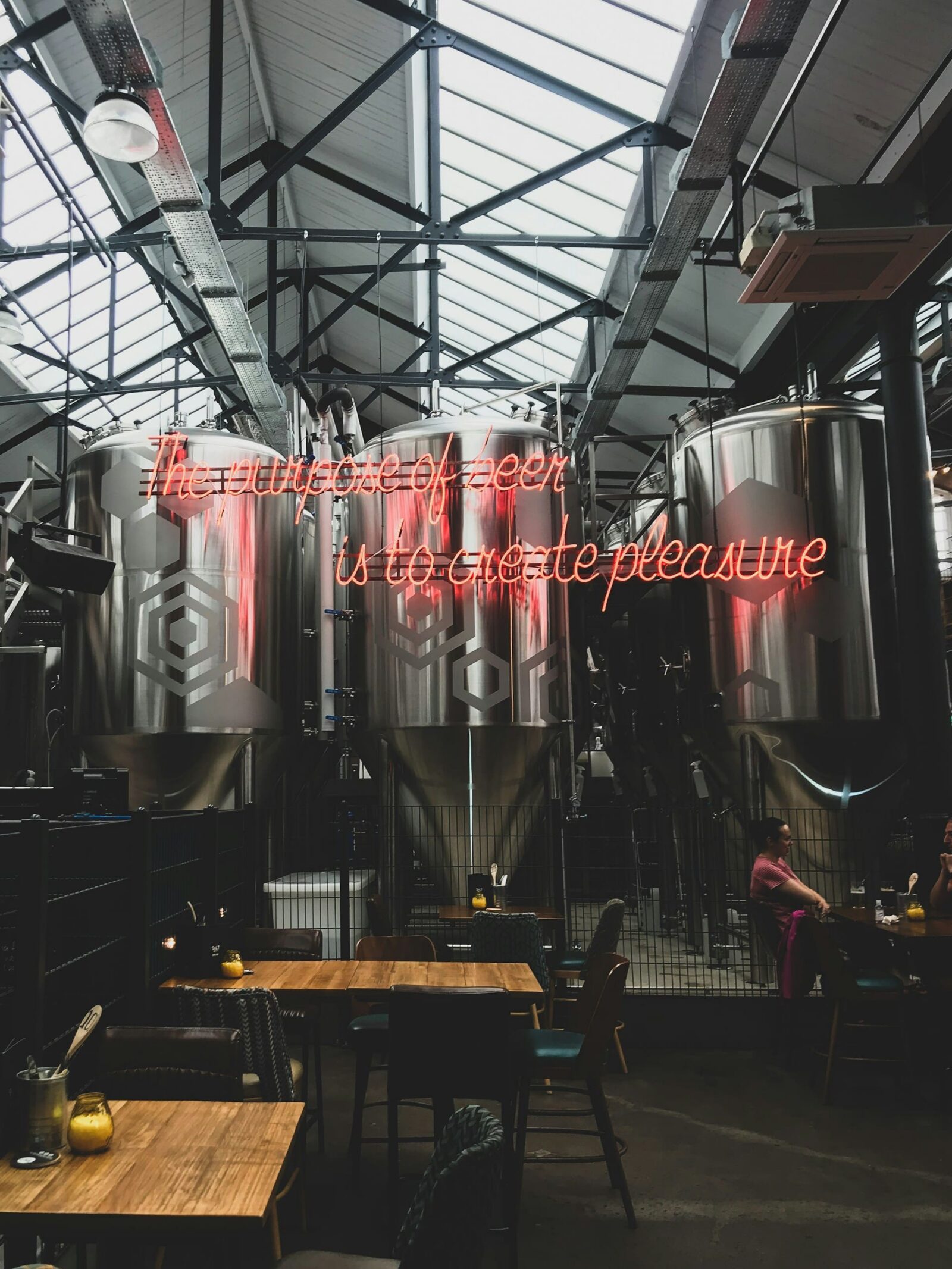
Launching a brewery in the United Kingdom involves far more than perfecting recipes and investing in fermentation tanks. Most operators are surprised by the breadth of the commercial brewing regulations in the UK that breweries must meet before a single pint can be sold.
Reaching brewery buyers has become increasingly difficult in a crowded digital environment. Procurement teams and brewery owners often receive a constant stream of messages through social media, search engines, trade shows, publications, and industry networks.
The trade show is over. The booth has been packed away, the banners rolled up, and the team heads home carrying a thick stack of business cards. After days of conversations, product demonstrations, and networking, optimism runs high.
Britain’s brewing industry has faced mounting pressure in recent years, as evolving trends have created a challenging environment for breweries of all sizes. These pressures are no longer temporary obstacles; they have become ongoing business realities that demand careful planning and adaptability.
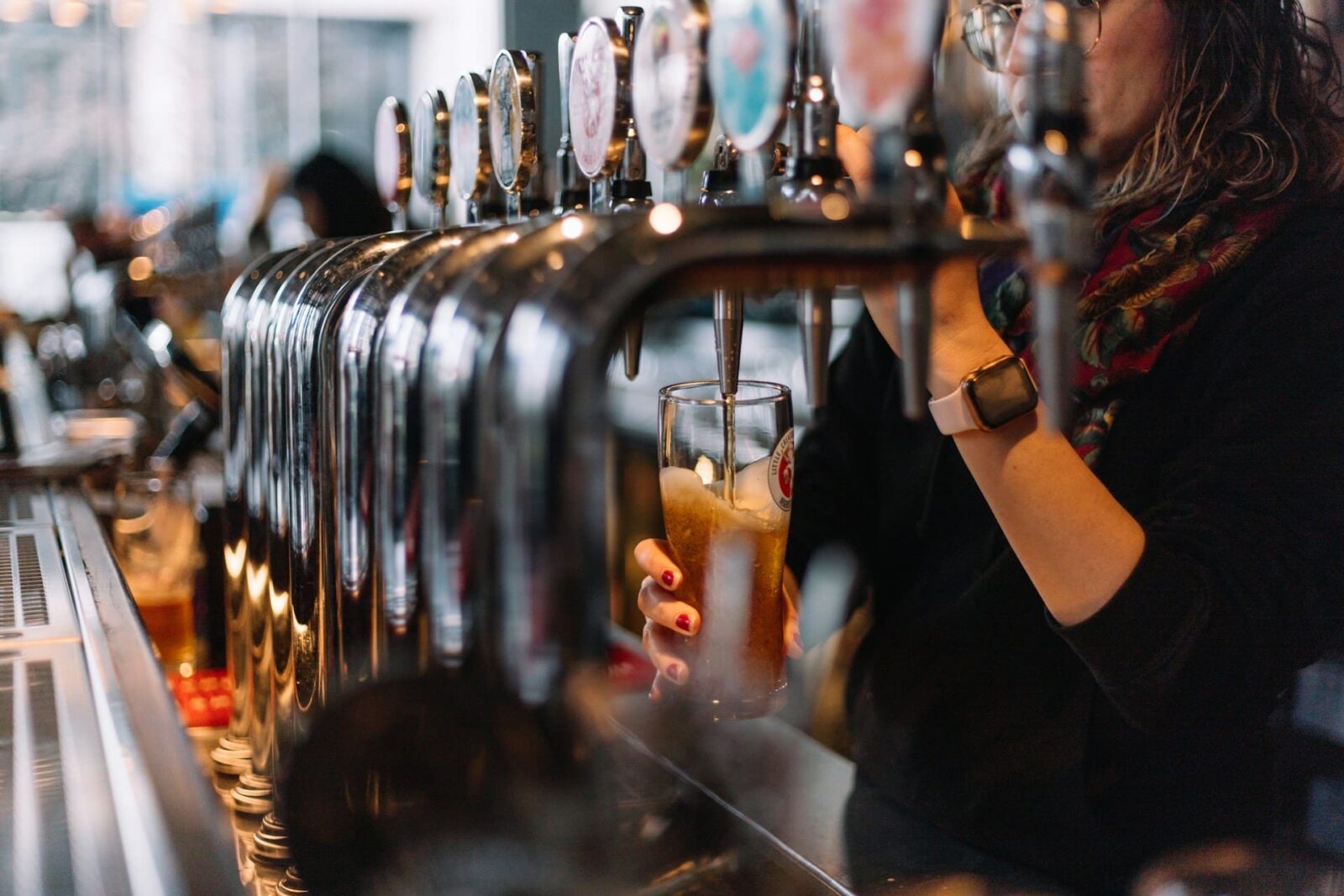
Every brewery owner reaches the same moment sooner or later. The beer is brewed, the branding is finished, the labels look great, and the first batch is ready to leave the warehouse. But how does that beer actually make its way onto a bar in a pub?
Corporate pub ownership in the UK grew rapidly after the 1989 Beer Orders, changing control from breweries to large pub companies (pubcos) that now dominate much of the hospitality industry.
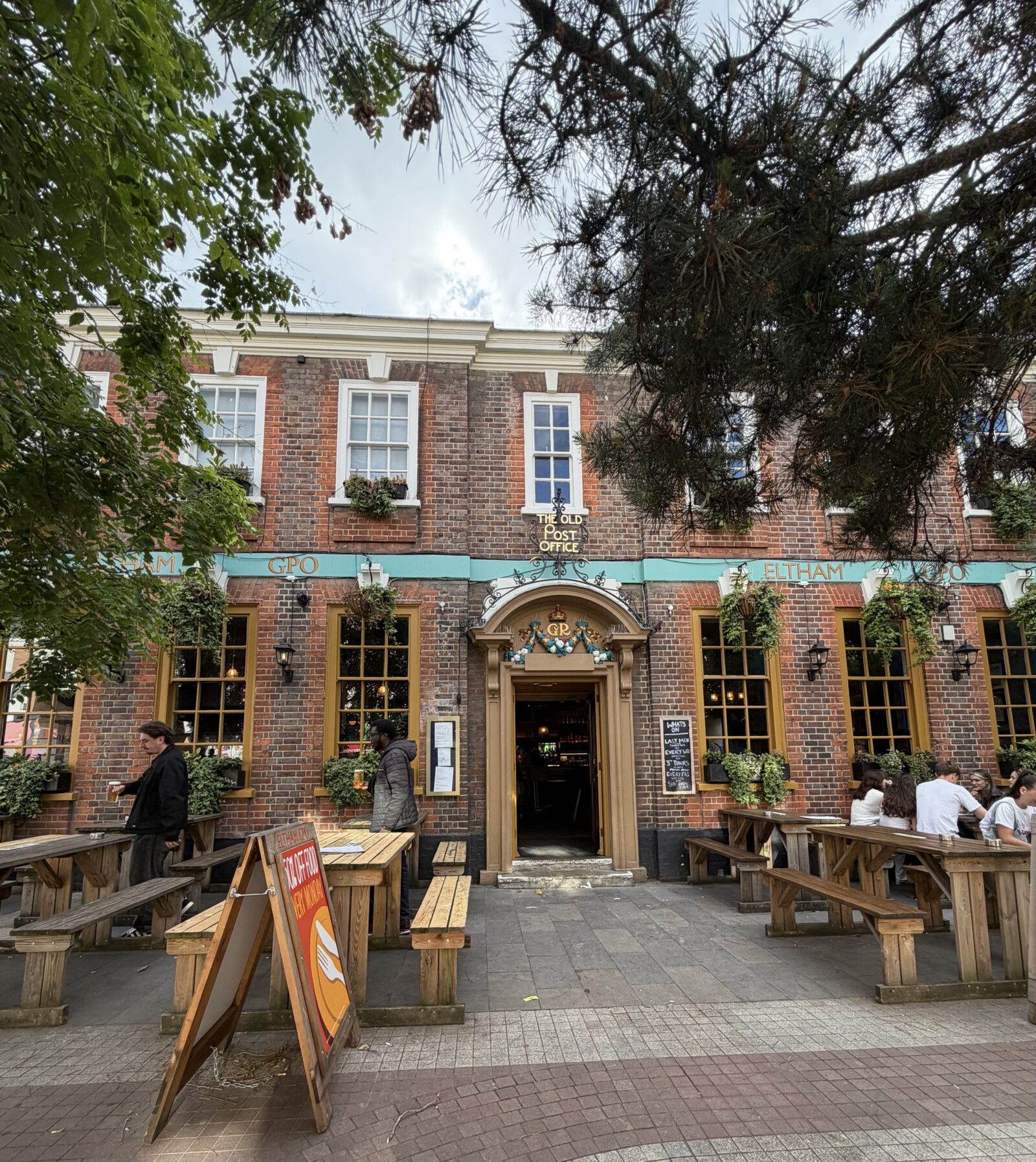
Over the last two decades, the UK has seen a remarkable resurgence of small, community-centric pubs known as micropubs. These modest venues — often occupying former shop premises, converted warehouses, or even railway arches — have grown from a niche concept into a thriving part of British pub culture. They offer an alternative to both corporate pub chains and the struggling traditional pub model, proving that sometimes, smaller really is better.
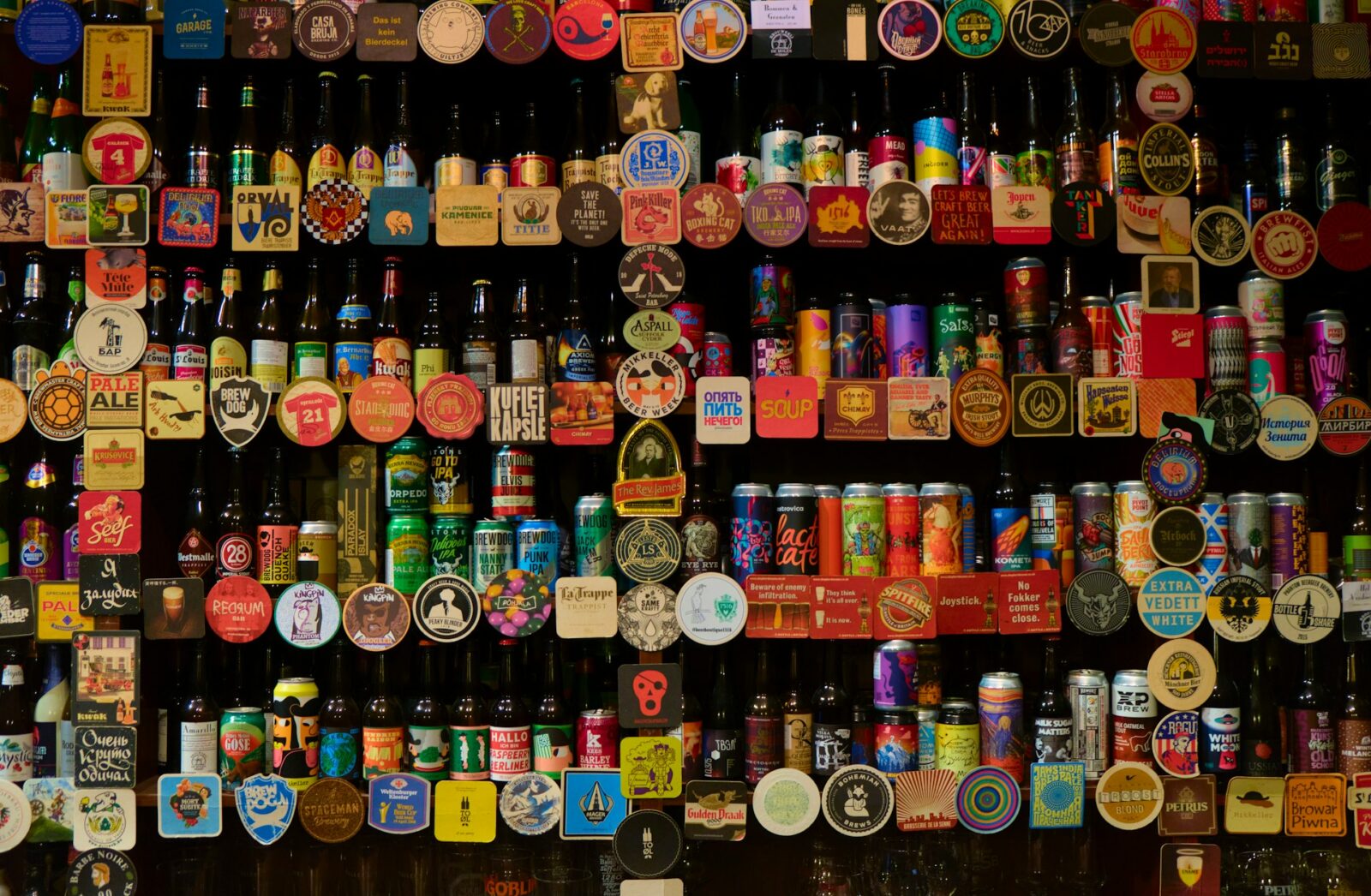
The United Kingdom is a land steeped in brewing tradition, known worldwide for its classic beer styles like the bitter, porter, and stout. But in recent years, there has been a craft beer revolution sweeping across the nation. In this blog post, we’ll take you on a journey through the craft beer scene in the UK and uncover how the breweries in the country are contributing to this vibrant movement…
JD Wetherspoon (JDW) has reported like-for-like (lfl) sales in the first 14 weeks of its financial year (FY24) were 9.5% higher than the same period last year…