
- Corporate pub ownership in the UK grew rapidly after the 1989 Beer Orders, changing control from breweries to large pub companies (pubcos) that now dominate much of the hospitality industry.
- Major pub groups expanded through acquisitions, property investment, and debt-backed growth, focusing on profitable urban pubs, distressed venues, and large pub estates.
- Pubcos control their estates through managed houses, leased pubs, and tied agreements, giving them significant influence over pricing, supply chains, staffing, and supplier access.
- While corporate ownership brings economies of scale and investment power, it also reduces local independence, impacts community pubs and independent breweries, and centralises decisions about what customers see behind the bar.
Across Britain, the local pub still looks much the same on the surface. The bar is lined with polished wood, local ales pour from familiar taps, and framed football shirts hang on the walls while regulars settle into their usual seats.
Most people walk in expecting an independent business built around the community. In reality, many of these pubs belong to huge corporations that oversee everything from supply agreements to operational decisions.
The corporate takeover of pubs has gradually transformed the UK hospitality industry, placing thousands of venues into the hands of large pub companies known as pubcos. What started as a change in ownership has grown into something much bigger.
Pubcos now influence supplier networks, rental structures, staffing strategies, property investments, and the way pubs compete in a challenging market.
So, how did corporate ownership become such a major influence in Britain’s pub trade?
This article explores how the industry evolved, which pubs attract acquisition interest, and the business models pubcos use to manage their estates. It also looks at the financial reasons behind their growth and what all of it means for pub owners, breweries, and the wider hospitality supply chain.
The Corporate Takeover of Pubs Did Not Happen Overnight
Long before modern pubcos expanded across the country, it was breweries that controlled huge sections of the market through tied estates and managed pubs.
Throughout recent years, Britain’s pub industry has gradually and increasingly become dominated by corporations through regulatory changes, property deals, and evolving business models.
The industry’s evolution created new opportunities for consolidation, eventually leading to the concentrated ownership seen throughout the country today:
Brewery Tie Era (Pre-1989)
Before deregulation changed the market, major breweries held enormous power over the UK pub trade. Companies such as Bass Brewery, Whitbread, and Scottish & Newcastle owned thousands of pubs across Britain through the traditional tied-house system.
Under this structure, tenants operated pubs owned by breweries and had to purchase beer exclusively from the parent company. Publicans had limited freedom to stock competing brands, negotiate pricing, or structure their own supply chains.
Breweries benefited from guaranteed distribution while tenants carried much of the day-to-day business risk.
Many pubs still maintained strong community identities during this period, but the sector already relied heavily on centralised ownership and supply control.
Beer Orders (1989)
The UK government introduced the Beer Orders in 1989 to reduce the dominance of large breweries and create more room for independent operators. Regulators believed breaking up tied estates would encourage competition, diversify beer choices, and weaken monopolistic control over the market.
The legislation forced major breweries to sell significant portions of their pub estates if they exceeded ownership limits. At the time, many expected smaller operators and entrepreneurs to step into the market.
Instead, the changes opened the door for a new type of large-scale owner.
Corporate Pub Ownership Explosion (1990s–2000s)
Corporate pub companies moved aggressively into the gap left behind by breweries. Businesses such as Enterprise Inns and Punch Taverns expanded rapidly through acquisitions, debt-backed growth, and large property deals.
During the 1990s and early 2000s, these companies acquired thousands of pubs at remarkable speed. Many focused less on brewing and more on property management, leasing structures, and long-term estate expansion. By the mid-2000s, a small group of pubcos controlled tens of thousands of pubs across the UK.
This consolidation trend still shapes the industry today. Lumina Intelligence reported that managed, branded, and franchised pubs were expected to generate more than half of total market revenue in 2025, despite representing only around a quarter of pub sites.
Larger operators continue gaining ground because scale allows them to absorb rising costs, invest in refurbishments and technology, and drive stronger revenue per location. Also, ongoing conversions away from tenancy models will likely push even more market share toward managed operations throughout 2026.
Ironically, the reforms designed to loosen corporate influence over the pub trade ended up accelerating a new era of concentrated ownership.
Which Pubs Are Ending Up Under Pubcos in the UK
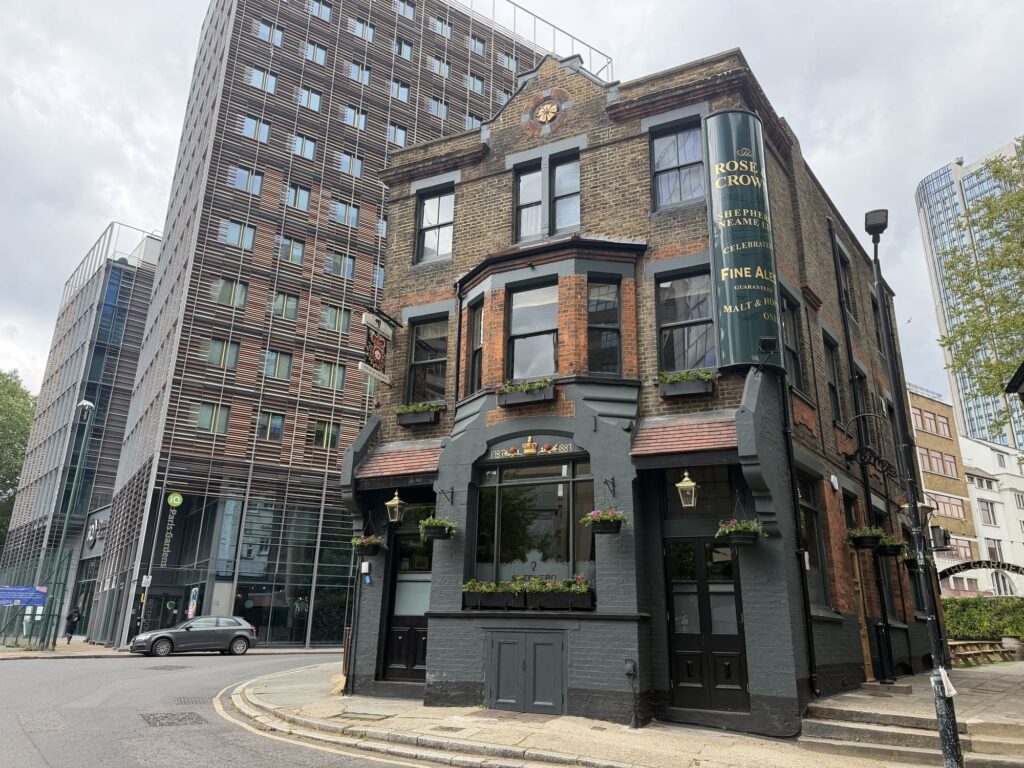
Not every pub attracts corporate attention at the same level. The corporate takeover of pubs has followed a clear commercial pattern across the UK, concentrating ownership in areas that offer the highest financial return:
- Urban locals in busy town centres and city high streets remain the most attractive acquisition targets. Large pubcos favour venues that already benefit from strong customer flow, late-night trade, and nearby retail or transport hubs.
- Independent pubs facing financial pressure have also become prime targets. Rising operating costs, staffing shortages, and post-pandemic debt pushed many owners into difficult positions, allowing larger groups to purchase sites at reduced valuations.
- Entire pub estates have entered the market as struggling operators offload multiple venues at once. Investment firms and corporate buyers increasingly view distressed portfolios as opportunities for bulk acquisitions and long-term property gains.
Rural pubs and lower-income community locals rarely attract the same interest. Smaller profit margins and lower spending power make these venues less appealing to major operators, even when they serve as important social hubs and third spaces for residents.
3 Ways Pub Chains in the UK Control Their Estates
Most pub companies use different operating models to control pricing, supply agreements, staffing, and day-to-day decision-making across their estates.
For pub operators, breweries, and suppliers, knowing these structures matters because each model changes who controls purchasing power and where profits ultimately flow:
1. Managed Houses
Under the managed house model, the pub company owns the venue, hires the staff, and appoints a salaried manager to run daily operations. The corporate group keeps the profits and controls nearly every part of the business, including branding, menus, pricing, promotions, and supplier contracts.
Roughly 30% of UK pubs now operate under this structure. Large operators favour managed houses because centralised buying power and standardised systems create significant cost advantages.
One purchasing team can negotiate deals across hundreds of venues, lowering supply costs while maintaining consistency between locations.
For breweries and distributors, this setup often means negotiating directly with the head office rather than individual pub managers.
2. Tenanted and Leased Pubs
Tenanted and leased pubs work differently. The pub company still owns the property, but an independent operator rents the venue and runs the business under a lease agreement.
This model lowers the barrier to entry for aspiring publicans because they do not need to purchase the building outright. At the same time, the tenant takes on most of the operational pressure, including staffing costs, energy bills, and day-to-day trading risk.
The pub company retains ownership of the asset while collecting rent and other contractual payments. Many operators appreciate the flexibility this structure offers, though profit margins can become tight during difficult trading periods.
3. Tied Model
The tied model gives pub companies even greater control over supply chains. Under these agreements, tenants must purchase beer, spirits, and other products directly from the owning company or approved suppliers at fixed prices.
Those prices often sit above open market rates, limiting both profitability and purchasing freedom for operators. Independent breweries may also struggle to access tied estates because buying decisions happen centrally rather than at the pub level.
As for suppliers and drinks producers, the operating model behind a pub often determines who the real customer actually is.
Why the Corporate Takeover of Pubs Keeps Gaining Momentum
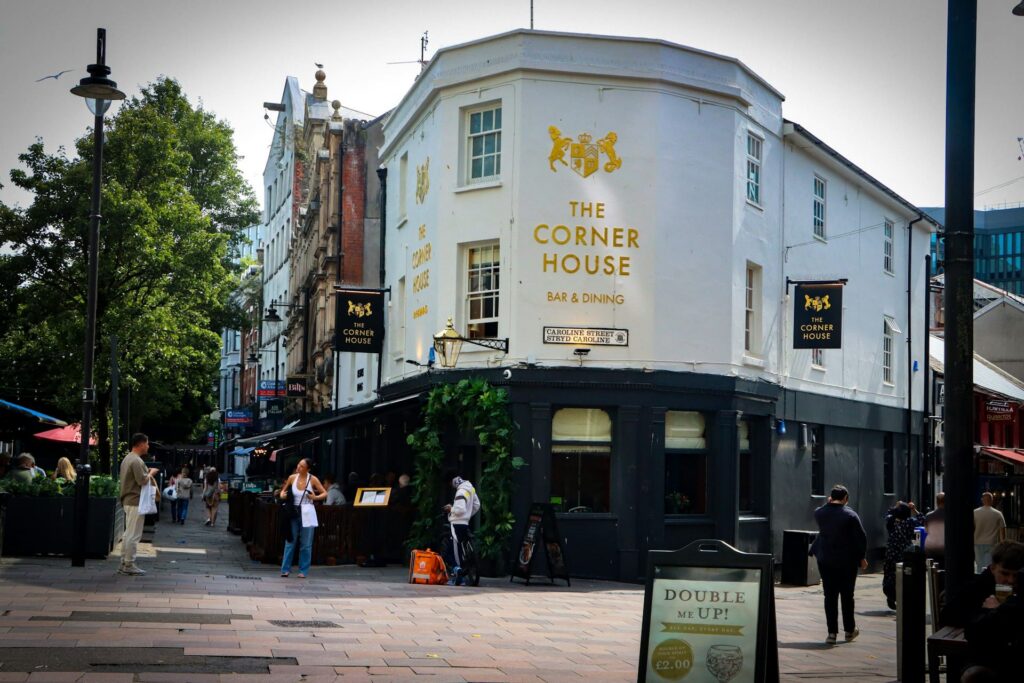
Data from Statista highlights how significant the expansion has already become. Out of roughly 45,000 pubs operating across the UK, around 11,200 are now corporate-owned, managed, or franchised venues run directly by major pub groups.
Another 13,300 operate under tenancy or lease agreements tied to pub companies, while approximately 21,500 remain independent free houses. These figures show how strongly consolidation has reshaped the industry between 2000 and 2024.
Corporate ownership continues expanding because large operators hold financial and structural advantages that many independents struggle to compete against.
Economies of scale
Large pub groups benefit from scale in ways independent operators rarely can. Bulk purchasing agreements reduce supply costs across food, drinks, utilities, and equipment.
Centralised marketing teams handle promotions across entire estates, while shared administrative functions lower overhead expenses.
Many pub chains in the UK can also negotiate stronger supplier deals because of the sheer volumes they purchase. That buying power allows corporate operators to compete aggressively on pricing, invest in refurbishments, and absorb temporary cost increases more comfortably than smaller businesses.
Distressed asset opportunities
Financial pressure continues pushing independent pubs onto the market. Rising energy bills, staffing shortages, inflation, and post-pandemic debt have left many operators vulnerable, especially in high-cost urban locations discussed earlier in this article.
Well-capitalised pubcos often move quickly when distressed venues become available. Some acquisitions involve single pubs, while others include entire estates sold at discounted valuations during periods of financial strain.
Property strategy
Many pub companies see long-term value beyond day-to-day trading performance. Pubs located in busy town centres, transport hubs, or growing residential areas often hold significant real estate potential.
Even if short-term profits are weak, the underlying property asset may still justify the acquisition. Some corporate buyers view pubs as hospitality businesses and property investments at the same time.
A shrinking market rewards consolidation
Britain continues to lose pubs every year, creating a market where consolidation becomes an efficient growth strategy. Acquiring competitors often expands market share much faster than opening entirely new venues.
As independent pub numbers decline, larger operators gain even more influence over pricing, supply networks, and consumer spending across the sector.
How the Corporate Pub Ownership in the UK Really Affects the Industry
Corporate ownership changes far more than the name above the door. The corporate takeover of pubs influences supplier relationships, craft beer selection, staffing decisions, pricing strategies, and the long-term survival of independent operators.
Large pubcos bring investment and operational scale, but they also change how pubs connect with local communities and local or regional breweries.
Many pubs still look and feel independent on the surface, yet major business decisions increasingly happen at the corporate level rather than inside the pub itself. That growing concentration of control carries wider consequences across the hospitality sector.
The corporate takeover of pubs is not just a story about ownership. It is a story about what happens to communities, breweries, and supply chains when the local stops being local.
But ownership is only one part of the picture. The more complex question is how beer actually moves through this system, and how decisions made by pub companies shape what ends up on the bar in the first place.
From centralised buying teams in large pub groups to the logistics networks that serve thousands of venues across the UK, the supply chain behind a pint is far more structured than most customers realise.
For breweries, distributors, and suppliers, understanding how these routes into pubs work is often the difference between being stocked nationally or being completely shut out of major estates.
For more daily news, events, and opportunities in the business of beer, subscribe to The Beer Post today.