Launching a brewery in the United Kingdom involves far more than perfecting recipes and investing in fermentation tanks. Most operators are surprised by the breadth of the commercial brewing regulations in the UK that breweries must meet before a single pint can be sold.
Britain’s brewing industry has faced mounting pressure in recent years, as evolving trends have created a challenging environment for breweries of all sizes. These pressures are no longer temporary obstacles; they have become ongoing business realities that demand careful planning and adaptability.
Every brewery owner reaches the same moment sooner or later. The beer is brewed, the branding is finished, the labels look great, and the first batch is ready to leave the warehouse. But how does that beer actually make its way onto a bar in a pub?
Corporate pub ownership in the UK grew rapidly after the 1989 Beer Orders, changing control from breweries to large pub companies (pubcos) that now dominate much of the hospitality industry.
British pubs are disappearing at an alarming rate, with the UK potentially losing 16,000 more pubs by 2050 if current closure trends continue. Rising costs, taxation, changing consumer habits, and property pressures are driving the decline.
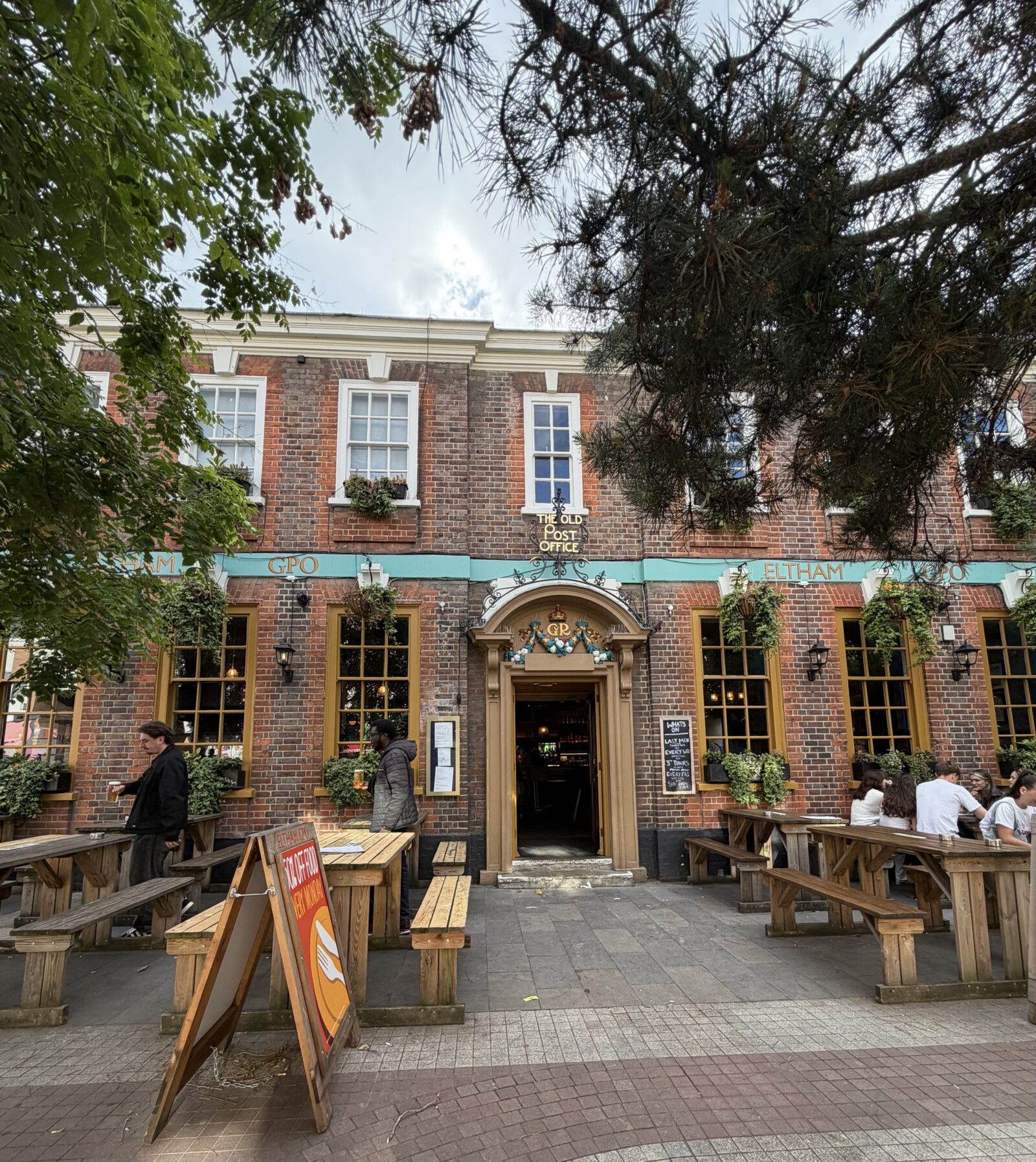
Over the last two decades, the UK has seen a remarkable resurgence of small, community-centric pubs known as micropubs. These modest venues — often occupying former shop premises, converted warehouses, or even railway arches — have grown from a niche concept into a thriving part of British pub culture. They offer an alternative to both corporate pub chains and the struggling traditional pub model, proving that sometimes, smaller really is better.
Attic Brew Co, a fast-growing Birmingham craft brewery, has received a grant under the West Midlands Combined Authority’s energy efficiency scheme to reduce its carbon emissions by 65 tonnes annually and save £30,000 in energy costs.
This article explores how the craft beer movement, originally celebrated for its independence and creativity, has been co-opted by multinational corporations. Once a subversive alternative to mass-produced beers, many beloved craft breweries have been sold to global giants like Heineken and AB InBev, often misleading drinkers who still believe they are supporting small, independent producers.
The total number of breweries has continued to decline despite strong sales being reported by the sector, new data has found.