
Every brewery owner reaches the same moment sooner or later. The beer is brewed, the branding is finished, the labels look great, and the first batch is ready to leave the warehouse. But how does that beer actually make its way onto a bar in a pub?
For anyone researching how to sell beer to pubs in the UK, the biggest surprise is often discovering that pub buying is not a single process. Many producers assume every pub purchases beer in the same way. In reality, the UK pub trade operates through several different systems, each with its own rules, decision-makers, and routes to market.
Having a deeper understanding of those systems is one of the most valuable lessons a brewery, cidery, or drinks producer can learn before making a single sales call. A well-crafted product can struggle to gain listings if it is pitched to the wrong type of venue or the wrong person.
This article sheds light on the main types of pubs in the UK, who controls beer purchasing in each model, which venues can be approached directly, and where a brewery should focus its efforts first.
Why Selling Beer to Pubs in the UK Starts With Understanding the System
At first glance, the UK pub market can look like a huge opportunity for any brewery. According to Statista, approximately 45,000 pubs were operating across the United Kingdom in 2024. That figure represents a pub culture decline compared to the previous year and continues a long-term downward trend that has been clearly evident since at least 2000.
Despite the reduction in numbers, pubs remain one of the most important routes to market for breweries, cider producers, and all sorts of drinks brands. The challenge is that those 45,000 pubs do not all buy beer in the same way.
Some venues have complete freedom to decide what appears on the bar. A landlord may taste a new beer, like the product, and place an order the same week. Other pubs have little or no control over purchasing decisions because another organisation manages the supply chain and product selection.
This distinction sits at the heart of understanding how pubs buy beer. The person or business responsible for purchasing depends largely on who owns the pub and how the venue operates.
Once a producer understands the structure of the market, sales efforts become far more targeted. Instead of contacting every pub in sight, breweries can focus on the venues that genuinely have the authority to say yes.
How to Sell Beer to Pubs in the UK: Free House vs. Tied House
Some breweries may start approaching pubs without knowing one crucial detail: whether the pub is a free house or a tied house. That simple distinction can determine who makes purchasing decisions and whether a venue can buy directly from an independent producer at all.
Countless hours can disappear chasing accounts that never had the authority to place an order in the first place.
What is a Free House Pub in the UK?
A free house operates independently and is not tied to a specific pub company for beer supply. The owner, or management team, usually has the freedom to choose which beers, ciders, and drinks appear on the bar.
For breweries, free houses are often the most accessible route into the pub trade. Decision-making tends to be local, which means conversations happen directly with the people responsible for purchasing stock.
A good product, competitive pricing, and a strong relationship can often lead to a trial listing without going through multiple layers of approval.
Many independent pubs, community-owned venues, and smaller pub groups fall into this category. That flexibility makes them attractive targets for breweries focused on their first wins when it comes to selling beer to pubs in the UK.
What is a Tied House Pub in the UK?
A tied house operates under an agreement that requires the pub to purchase beer and other drinks through a designated pub company or approved supplier network. The pub operator manages the business day-to-day, but purchasing options are usually restricted by the terms of the tenancy.
That does not mean independent breweries have no opportunities here. Some tied tenants have access to a guest ale provision, which allows them to stock one cask ale from an independent brewery outside the tie. Although limited, this can provide valuable exposure and open the door to future relationships.
Before approaching a pub, it pays to understand its ownership structure. A brewery can ask the operator directly, search Companies House records to identify the freeholder, or look for pub company branding on signage, websites, and promotional materials.
A tied pub is not a dead end. It simply requires a different type of conversation and a different route into the business.
5 Types of Pubs Every Brewery Needs to Know
A brewery can produce an exceptional beer, build a strong brand, and invest heavily in sales activity, yet still struggle to secure listings.
Learning how to sell beer to pubs in the UK starts with knowing who controls purchasing decisions at different types of venues:
1. Large Pubcos and Managed Houses
Large pub companies dominate a huge portion of the UK pub market. Pubcos like Stonegate Group, Greene King, and Star Pubs & Bars own and operate thousands of venues across the country.
In managed houses, the pub company owns the property and retains all profits generated by the business. A salaried manager runs the venue, oversees staff, and handles daily operations, but purchasing decisions are typically made elsewhere.
Beer listings, supplier agreements, and product ranges are usually controlled by a central procurement team at the company’s head office.
Going back to Statista’s study, Stonegate was the UK’s largest pub chain during the 2023 financial year, managing more than 4,000 properties.
However, the industry continues to evolve. A recent report from Time Out Worldwide revealed that Stonegate has placed 23 pubs on the market, including sites in London, York, and Canterbury. Property consultancy Savills is managing the sales, and all locations will continue trading until ownership transfers.
For new breweries, the lesson is simple: approaching the pub manager is unlikely to result in a listing. Managers rarely have authority over product selection.
Access usually comes through a corporate listing process that often requires proven production capacity, marketing support, and, in many cases, a relationship with an approved distributor.
2. Tenanted and Leased Pubs
Tenanted and leased pubs can offer a very different route to market. Many operate free of ties, meaning the operator is not obligated to purchase drinks exclusively through a pub company supply agreement.
This freedom allows the tenant or lessee to source products directly from breweries, wholesalers, and distributors. Purchasing decisions are often based on factors such as quality, customer demand, reliability, and price rather than corporate agreements.
Tenanted and leased pubs are often the most accessible for independent breweries. The decision-maker is usually the person running the pub.
A well-timed visit, a product sample, and a competitive commercial offer can sometimes be enough to secure a trial listing. Relationships matter, and strong local connections can often outperform large marketing budgets.
3. Smaller Pub Companies
Not every pub company operates on a national scale. Regional operators may own anything from three to fifty pubs and often take a much more flexible approach to procurement.
Purchasing structures vary considerably. Some maintain preferred supplier lists and central purchasing arrangements. While others allow individual managers or operators freedom when selecting products for behind the bar.
Businesses that own only a handful of venues and remain free of supply ties tend to be particularly attractive for emerging breweries. Decision-makers are generally easier to identify and contact. Product reviews often happen quickly, and direct delivery arrangements are usually far simpler than those found with larger pub estates.
Smaller pub companies can represent an excellent middle ground between independent venues and major national operators, especially for breweries seeking early growth.
4. Micropubs
Micropubs have become an important part of Britain’s independent beer scene. These small venues often focus heavily on cask ale, craft beer, and products sourced from local producers.
Unlike larger pub groups, micropubs usually operate without a head office, procurement department, or approved supplier network. Purchasing decisions are typically made entirely by the owner, who often works behind the bar and interacts directly with customers.
That independence makes micropubs one of the most approachable types of accounts for breweries. Conversations are straightforward, feedback is immediate, and owners are frequently enthusiastic about showcasing new local products.
Many successful breweries secure their first pub listings through micropubs before expanding into larger accounts.
These types of venues are perfect for producers entering the market for the first time. Micropubs often provide a quick path to building visibility, generating word-of-mouth recommendations, and establishing a reputation within the local beer community.
5. Independent Free Houses
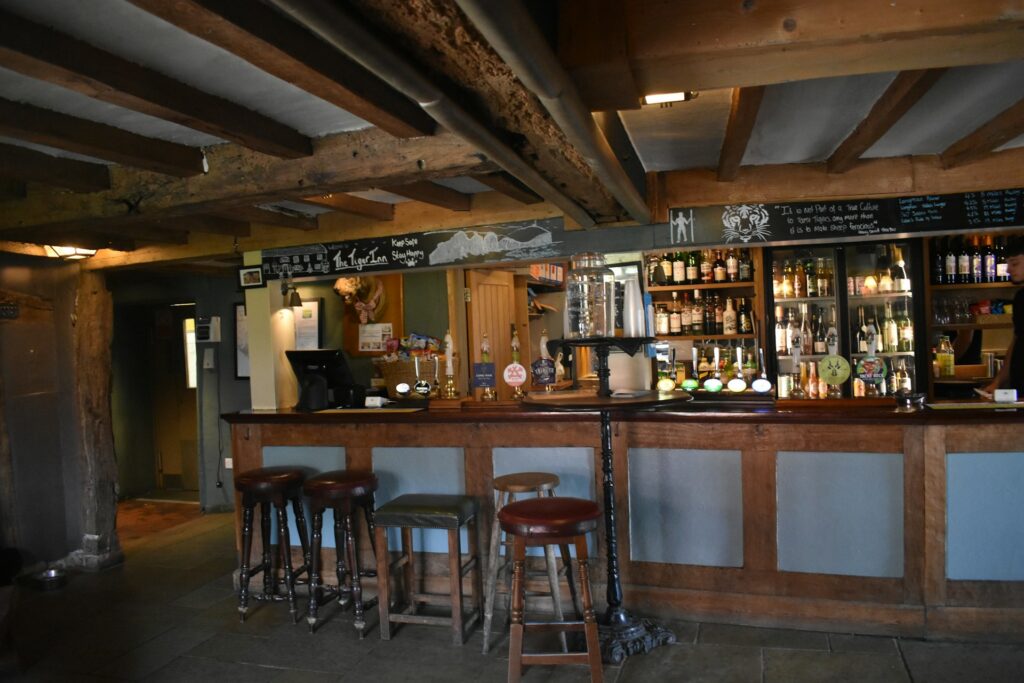
Independent free houses are among the most open and flexible types in the pub sector. A pub company agreement does not bind a free house. Instead, the operator has complete freedom to choose suppliers based on what works best for the business.
That freedom creates a very different buying environment. An independent operator can negotiate directly with breweries, wholesalers, and distributors, selecting products based on price, quality, service, and how well a beer fits with the local customer base.
No central procurement team stands in the way, and no approved list dictates what can or cannot be stocked.
For breweries learning how to sell beer to pubs in the UK, this category often represents the most accessible entry point into the trade. The landlord or owner typically makes the decision personally, which shortens the sales cycle significantly compared to larger pub groups.
Independent free houses also tend to be more experimental with their ranges. Many actively look for new local or regional producers to differentiate themselves from nearby competitors.
That makes them particularly receptive to breweries that can offer something distinctive rather than purely mainstream brands.
Who Actually Decides What Beer Goes on Tap?
If you’ve read from the beginning of this article to here, you will have realised by now that each pub type follows its own decision-making structure, shaped by ownership, contracts, and operational priorities. So in summary:
- Managed corporate estates. A central buying team leads product selection, often through annual range reviews. Most outlets stick to these structured reviews, which leave limited room for change, although seasonal rotations and trial products still appear throughout the year. Larger pub companies also tend to expect strong brand (marketing) support and supply chain capability.
- Tenanted and leased pubs. Tenants usually control some aspects of the drinks range but may face restrictions on core lines. Guest ales and rotating taps can offer some flexibility, so it’s often worth asking directly what kind of scope exists for independent products.
- Free houses and micropubs. The landlord typically makes the decision personally. Choices are often informal and influenced by taste, customer demand, local loyalty, and the relationship with the brewery.
The smaller and more independent the pub, the more that product quality and personal relationships influence what ends up on the bar.
Where is the Best Starting Point for Breweries Selling Beer to Pubs in the UK?
It begins much closer to home, where relationships are easier to build, and decisions happen quickly:
Start hyperlocal
The most practical starting point sits within the brewery’s immediate delivery radius. Local pubs offer lower logistics costs, faster turnaround times, and a natural story that resonates with customers.
A beer brewed nearby gives pubs something meaningful to talk about, which helps drive customer loyalty and, therefore, repeat sales.
Focus on free houses and micropubs first
Free houses and micropubs often provide the quickest path to a first listing. The decision-maker is directly accessible, conversations are informal, and feedback is immediate.
A simple tasting or sample drop can lead to a trial pour without lengthy approval processes. These venues are also more open to experimentation, particularly when the product offers something local or distinctive.
Lead with local demand data
Research from the 2025 SIBA Independent Beer Report shows that 56% of drinkers are more likely to buy a beer if it is locally produced. That statistic becomes a powerful tool in sales conversations, giving landlords a clear commercial reason to trial a new brewery.
Build before scaling
A small but consistent network of local accounts creates credibility. Proof of real sales in real pubs carries more weight than any pitch deck when approaching distributors or larger pub groups later on down the line. Established performance signals reliability, demand, and operational readiness.
Consider industry support
Membership with the Society of Independent Brewers and Associates (SIBA) can also help. Access to trade networks, schemes like BeerFlex, and recognised industry credibility often strengthen a brewery’s position when speaking to pub buyers.
Understanding the system is only the first step. The next stage involves learning how to work with distributors and intermediaries to scale beyond direct delivery.
For breweries staying ahead of the curve, The Beer Post continues to act as a central hub for industry news, trade insights, and information about growth opportunities as you build your presence in the UK pub market and beyond.