
Reaching brewery buyers has become increasingly difficult in a crowded digital environment. Procurement teams and brewery owners often receive a constant stream of messages through social media, search engines, trade shows, publications, and industry networks.
Supply chain businesses serving breweries, pub operators, and drinks producers have more marketing channels available than ever before. Email marketing for B2B companies continues to be one of the most effective ways to connect directly with decision-makers in the beer and brewing sector.
According to HubSpot’s 2026 State of Marketing Report, 40% of marketers actively use email marketing, making it one of the most widely adopted channels across organisations of all sizes. Despite this, many still struggle to start meaningful conversations with the right contacts.
Suppliers know the frustration of sending a carefully crafted email to a promising prospect and receiving no response. The product may be valuable, the offer relevant, and the target company a strong fit. Often, the difference between a successful campaign and an ignored message comes down to timing, relevance, and credibility.
This article weighs up why email remains a powerful tool for reaching brewery buyers. It’ll also outline five practical strategies to help suppliers drive more engagement, build trust, and create stronger opportunities in 2026.
How to Reach Craft Breweries: Understanding the Market Before Hitting Send
Supply chain companies that take the time to understand the current state of the sector tend to write more effective marketing emails than those that rely on generic sales messaging. Context matters, particularly in an industry experiencing both long-term growth and short-term pressure.
Per Grand View Research’s Craft Beer Market (2026–2033) report, the global craft beer industry is projected to grow from $100.3 billion in 2026 to USD 170.6 billion by 2033. A market of this scale creates substantial and sustained demand throughout the brewing supply chain, spanning ingredients, packaging, equipment, logistics, software, and professional services.
Growth, however, does not mean every brewery is thriving. Recent figures highlight a more complex reality. The SIBA UK Brewery Tracker reports that the UK had 1,578 breweries operating on 1 January 2026, down from 1,715 at the start of 2025.
Rising operating costs, changing consumer habits, and tighter margins have forced many breweries to become more selective in their purchasing decisions. Brewery buyers are not avoiding suppliers. They are applying greater scrutiny to every conversation and investment.
Similar trends appear in the United States. The Brewers Association reported that total craft beer production fell 4% in 2025 to 22,034,000 barrels. Thus, around 60% of breweries recorded production declines. The association also found a net decrease in operating craft breweries, as closures outpaced openings during the year.
As for brewery supply chain marketing, breweries that remain are often leaner, more cost-conscious, and highly selective about the supplier relationships they pursue.
They are not searching for another vendor pitch. They are looking for suppliers who demonstrate a genuine knowledge of the challenges they face and can offer meaningful value in return.
Why Email Marketing Remains the Strongest Channel for Reaching Brewery Buyers
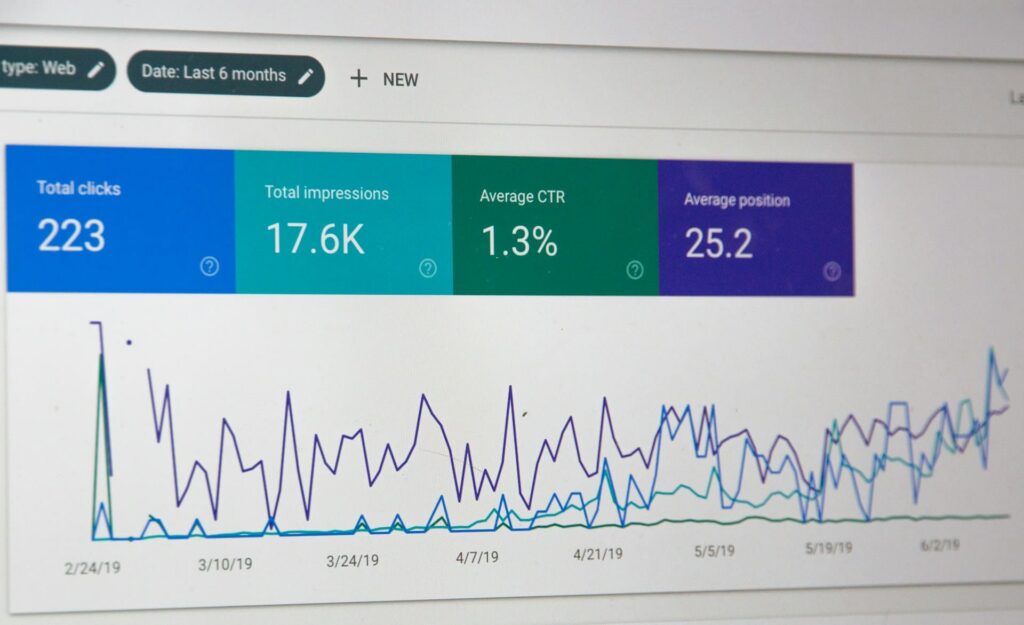
Email gives supply chain companies the ability to maintain continuous, relevant communication through:
Effective Content Marketing
Strong content becomes far more valuable when it reaches the right audience consistently. Email provides a direct distribution channel for case studies, industry reports, market updates, product guides, and technical resources that brewery buyers find useful.
Suppliers can use newsletters, educational updates, event invitations, and product announcements to keep their expertise visible while delivering genuine value to prospects.
Lead Generation and Nurturing
Email remains one of the most effective tools for generating and developing sales opportunities. Marketing LTB’s study says that email generates 40x more leads than social media.
For suppliers serving breweries, that advantage is significant. A procurement manager may not need new packaging, ingredients, equipment, or logistics support today, but future requirements can change quickly.
Email allows suppliers to stay connected over time, gradually building familiarity and credibility. Instead of pushing for an immediate sale, effective campaigns nurture prospects through educational content, industry insights, and practical solutions until the timing is right for a business conversation.
Long-Term Client Relationships
Brewery buyers rarely choose suppliers based on a single email. Trust develops through repeated interactions that demonstrate reliability, expertise, and industry expertise.
Email creates opportunities to strengthen relationships long before a purchasing decision takes place. Regular communication allows suppliers to:
- Share useful insights
- Comment on industry developments
- Celebrate customer success stories
- Remain relevant between buying cycles
Over time, that consistent presence helps transform a supplier from an unfamiliar name into a trusted industry partner.
Scaling Without Increasing Cost
Growth often creates setbacks for B2B marketing teams. Email solves many of them.
Reaching ten brewery contacts requires roughly the same effort as reaching a thousand once the contact list, messaging, and automated sequences are in place. That scalability makes email particularly valuable for supply chain companies targeting breweries across the UK, the US, and Europe.
Marketing teams can expand their reach into new territories without increasing costs at the same pace as traditional sales and advertising methods.
Strong Return on Investment (ROI)
Few marketing channels deliver results as efficiently as email. A recent Forbes article revealed that email marketing generates an average return of $36 for every dollar spent, making it one of the highest-performing forms of digital marketing available.
This strong performance is a major reason why discussions around email marketing ROI in B2B continue to highlight email as a core growth channel.
Compared to trade shows, paid advertising, or outbound sales activity, email often requires a lower investment while still producing measurable business opportunities and long-term customer value.
Measurable Ways That Matter
A lot of marketing activities provide limited visibility into actual performance. Email offers a much clearer picture. Every campaign generates actionable data, including open rates, click-through rates, reply rates, and conversion rates.
Unlike a trade show conversation or a social media impression, email allows marketers to see exactly how recipients interact with their content. Those insights help suppliers refine messaging, improve targeting, and make better decisions based on evidence rather than assumptions.
Leading Brewery Supply Chain Marketing Challenges
Successful email marketing for B2B companies starts with identifying the barriers standing between a supplier and a potential customer. Brewery buyers rarely ignore emails for a single reason. Most outreach campaigns face a combination of:
Inbox Saturation
Every brewery buyer operates in an environment flooded with information. According to Prosperity Media, the average person receives 121 business-related emails each day. Brewery owners, operations managers, and procurement teams are no exception.
A supplier’s introduction email competes against production updates, supplier invoices, customer enquiries, staff communications, industry newsletters, and trade news before lunchtime even arrives.
Generic sales messages often disappear into the background because they look and sound like dozens of others already sitting in the inbox.
Access to Decision-Makers
Finding the right contact is often only half the battle. Reaching them at all can be equally challenging.
Large pub groups and managed estates frequently centralise procurement decisions through dedicated buying teams. These decision-makers are intentionally protected from constant supplier approaches, creating additional layers between vendors and buyers.
Independent breweries present a different challenge. In many cases, the owner also manages brewing operations, sales, administration, and finances. Every incoming message competes for time that is already stretched thin.
Trust Gap
Outreach emails may fail to generate a response, but that does not mean email marketing is ineffective. More often, the message asks for a commitment before establishing credibility.
Brewery buyers face constant approaches from companies promising better pricing, improved efficiency, or stronger results. As a result, many decision-makers approach unsolicited emails cautiously.
Right Timing
Even a well-written email sent to the right person can produce no response if it arrives at the wrong stage of the buying cycle. Many purchasing decisions follow:
- Production schedules
- Seasonal demand patterns
- Contract renewal periods
- Annual budgeting processes
External suppliers rarely have full visibility into these timelines. A brewery that has no immediate need today may become highly receptive several weeks or months later.
5 B2B Email Marketing Strategies for Companies Selling Into the Beer Industry

Brewery suppliers already know who they want to sell to. The real issue lies in turning that target list into meaningful conversations.
Successful B2B email marketing strategies do not rely on sending more emails than competitors. They focus on sending more relevant emails that address the realities brewery buyers face every day.
The following strategies can help supply chain companies improve engagement, build trust, and generate stronger opportunities across the beer industry:
1. Segment Before You Send
Not all brewery buyers have the same priorities, which is why broad, one-size-fits-all campaigns often struggle to gain traction.
A regional craft brewery purchasing canning supplies faces different challenges than a large pub group reviewing logistics contracts. Whereas an independent brewer looking to increase production has different concerns than a mature brewery focused on cost reduction.
Effective segmentation allows suppliers to tailor messaging to specific audiences based on:
- Company size
- Location
- Role
- Purchasing behaviour
- Product category
A procurement manager is far more likely to engage with an email that speaks directly to current operational challenges than one that attempts to appeal to every brewery in the market.
Better segmentation creates stronger relevance, and relevance is one of the fastest ways to improve response rates.
2. Lead With Their Problem, Not Your Product
Many supplier emails open with product features, company achievements, or lengthy introductions. Brewery buyers generally care more about solving business problems than learning about a supplier’s latest offering.
Effective outreach starts by identifying a problem the recipient already recognises. Rising packaging costs, ingredient price volatility, production efficiency, labour shortages, and inventory management remain common concerns across the brewing sector.
When an email demonstrates deeper knowledge of these issues, it immediately feels more relevant. Product details can come later. The first objective is to show the buyer that the supplier understands their world and has something useful to contribute to the conversation.
3. Use Industry Timing to Your Advantage
Timing can influence results as much as messaging. Breweries often make purchasing decisions around:
- Seasonal production schedules
- Budget planning periods
- Contract renewals
- Demand forecasts
A supplier who is aware of these cycles gains a significant advantage over competitors sending outreach at random intervals. For example, packaging suppliers may see greater engagement before peak summer production periods. Equipment providers may generate stronger interest when breweries begin planning capital investments for the following year.
Emails aligned with industry timing feel more relevant because they arrive when buyers are actively thinking about the issue being discussed.
4. Build a Nurture Sequence, Not a Single Send
One email rarely closes a deal in a complex B2B environment. Brewery buyers may notice an email, find it interesting, and still take no immediate action. That does not mean the opportunity is lost. It simply means the relationship is still developing.
A nurture sequence allows suppliers to stay visible over time through a series of valuable touchpoints. One email might share an industry insight. Another could highlight a customer success story. A later message might offer a useful resource or invite the recipient to a conversation.
Each interaction builds familiarity and credibility. Over time, prospects become more comfortable engaging because they have seen consistent evidence of expertise rather than a single sales pitch.
5. Make the Subject Line Do Real Work
Every email campaign succeeds or fails at the point of opening. A strong subject line earns attention without relying on clickbait or exaggerated claims.
Brewery buyers scan inboxes, often making decisions in seconds. Generic phrases such as “Checking In” or “Quick Question” rarely provide enough reason to open a message.
Effective subject lines communicate relevance immediately. They reference a business challenge, industry trend, operational goal, or opportunity that matters to the recipient. Specificity often outperforms creativity.
A subject line such as “Reducing Packaging Costs Ahead of Summer Demand” gives a brewery buyer far more context than a vague sales-oriented alternative. When the subject line clearly signals value, the rest of the email has a much better chance of being read.
Taken together, these strategies transform email outreach away from mass promotion and toward meaningful communication.
Email Marketing for B2B Companies: Getting in Front of Brewery Buyers
A common mistake in B2B marketing is treating email as the starting point of the buyer relationship. In reality, the most successful campaigns often begin long before the first message lands in an inbox.
Email marketing for B2B companies performs better when brewery buyers already recognise the sender’s name. A brewery owner who has seen a supplier featured in an industry publication, trade newsletter, or sector-focused platform is far more likely to open and engage with future outreach.
Brand familiarity creates trust, and trust increases response rates. A supply chain company that regularly appears in the places brewery decision-makers already visit becomes more than another vendor seeking attention. It becomes a recognised industry participant.
The Beer Post reaches brewery owners, pub operators, and supply chain decision-makers across the UK, US, and Europe. Build brand recognition where your audience already spends time, and make every email work harder.