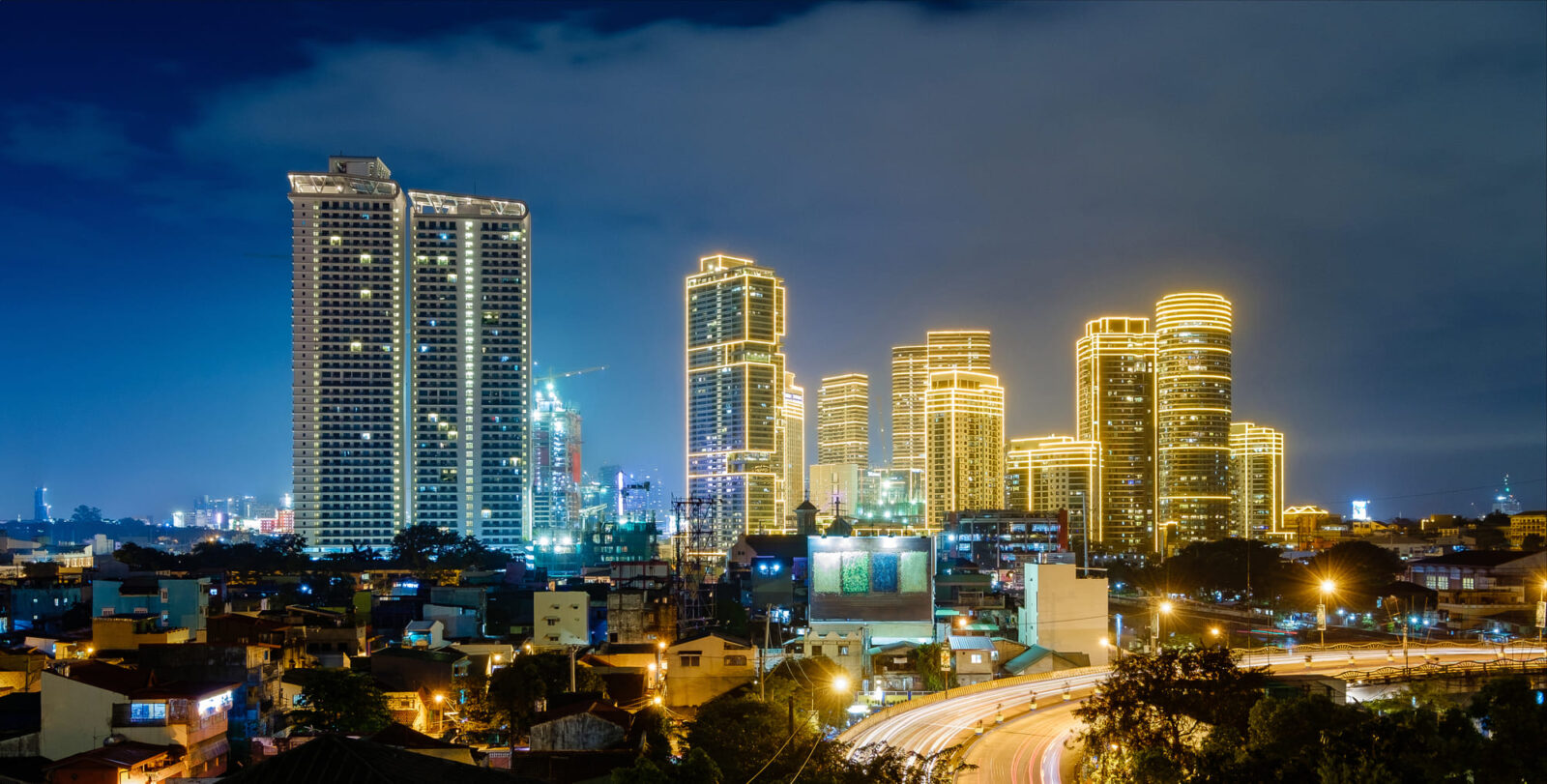
Just like any other venture, thorough knowledge of the commercial brewing regulations in Singapore is a must before opening a brewery in the country. Licensing, food safety, customs, taxation, and operational requirements are all crucial in running a compliant business.
Despite its modest size, Singapore offers a dynamic environment where innovation and quality continue to mould the market. In fact, TechSci Research projects that the country’s beer market will reach $11.45 billion by 2030, growing at a 3.57% CAGR, with craft beer being one of the market’s strongest growth drivers.
Many businesses assume low engagement stems from weak messaging, but poor performance often has deeper causes. A campaign that does not convert is rarely a writing problem alone.
Craft beer is no longer one market moving in a single direction. It is distinct national markets, each redistributing demand toward different segments and creating new commercial opportunities for supply chain partners.
Across the world, there are smaller and less-discussed countries where beer plays a surprisingly important role in everyday life, national identity, hospitality and local celebration. Some have one dominant national lager. Others have tiny breweries producing bottles that rarely travel beyond the country’s borders. In a few places, beer sits alongside older traditions of fermented drinks, mountain hospitality or colonial brewing history.
Launching a brewery in the United Kingdom involves far more than perfecting recipes and investing in fermentation tanks. Most operators are surprised by the breadth of the commercial brewing regulations in the UK that breweries must meet before a single pint can be sold.
The price of a pint is back in the spotlight as World Cup fans fill pubs, buy rounds and gather around big screens. Football tournaments are supposed to be good news for pubs, but this year many drinkers are noticing something before the first whistle has even blown: the round is a lot more expensive than it used to be.
Taking place from 6–9 September 2026, the congress will be hosted at the Postillion Hotel & Convention Centre WTC Rotterdam, right in the heart of the city. For brewing professionals, researchers, suppliers, academics, technical experts, and anyone involved in the future of beer production, EBC 2026 is shaping up to be one of the most important industry events of the year.
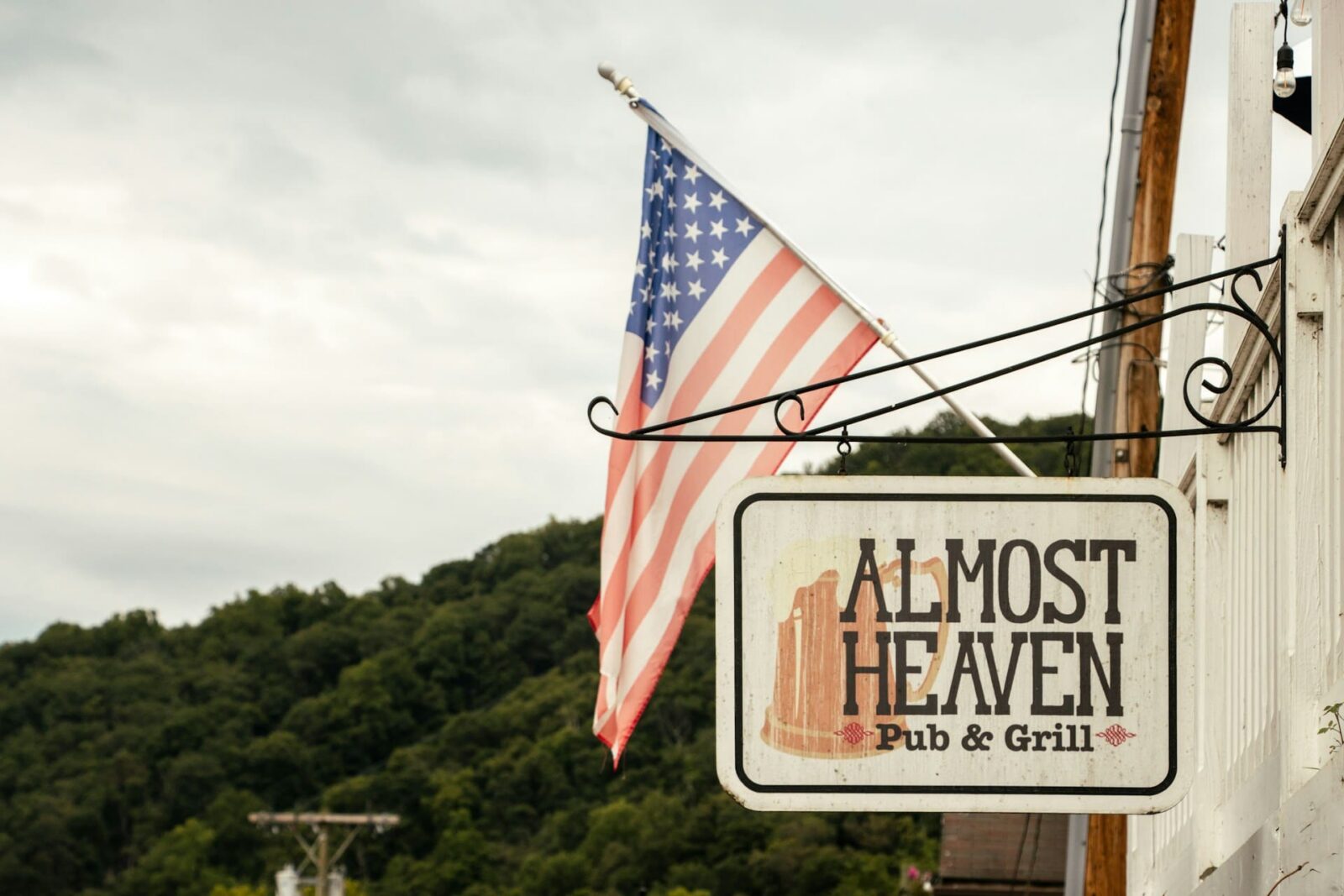
In the United States, every brewery operates within a layered legal rules that includes federal, state, and local oversight. A solid understanding of commercial brewing regulation in the US is critical for getting a business off the ground. Overlooking any part of these rules can easily trigger costly delays or completely stall an opening.