Pernod Ricard USA will invest $22m in creating its first-ever RTD canning line, located at its Fort Smith plant in Arkansas: boosting its ability to bring RTDs to market swiftly.

Pernod Ricard USA will invest $22m in creating its first-ever RTD canning line, located at its Fort Smith plant in Arkansas: boosting its ability to bring RTDs to market swiftly.
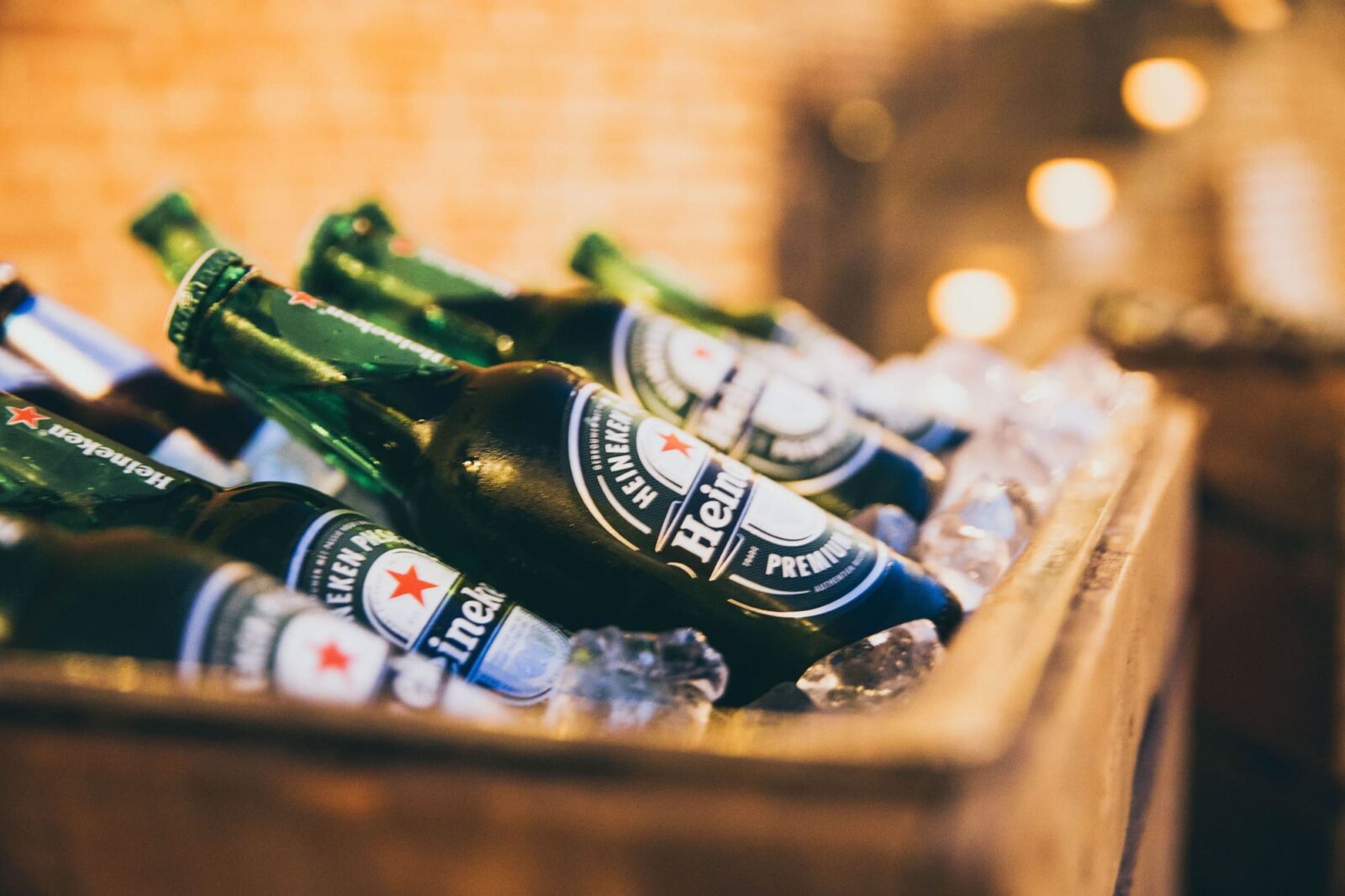
Heineken Vietnam has unveiled its largest brewery in Ba Ria Vung Tau: which has become the region’s largest after multiple expansions over the last five years.
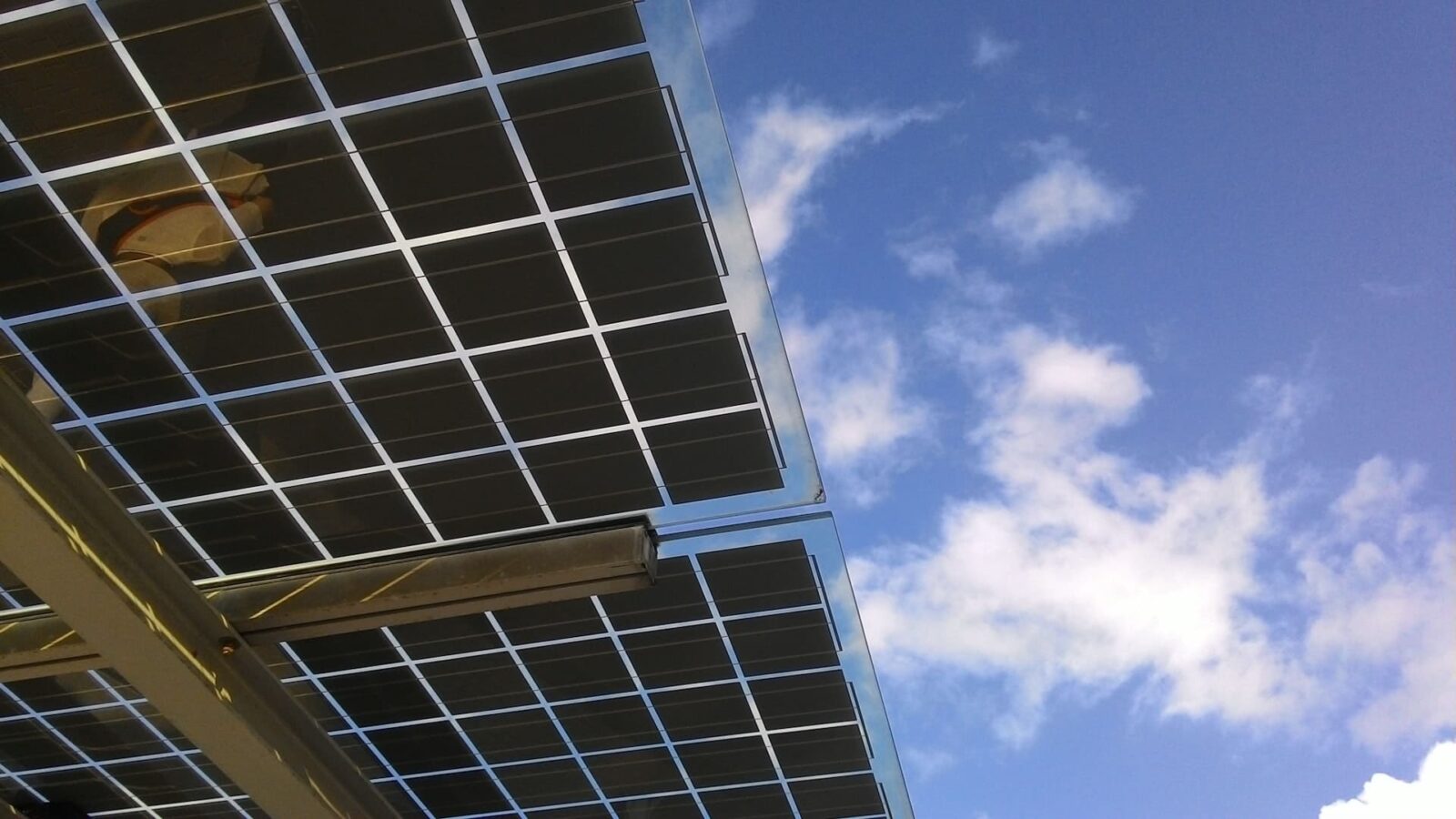
Brewers have long been at the forefront of environmental causes and sustainable initiatives. From recycling to energy-efficient equipment, craft breweries have long worked to leave a minimal footprint in a very resource-heavy industry. The recent shock on fuel prices and rising energy costs along with an aging power grid in many states has caused breweries of all sizes to think about alternative energy sources or bringing equipment in-house to keep the lights on and taps flowing.
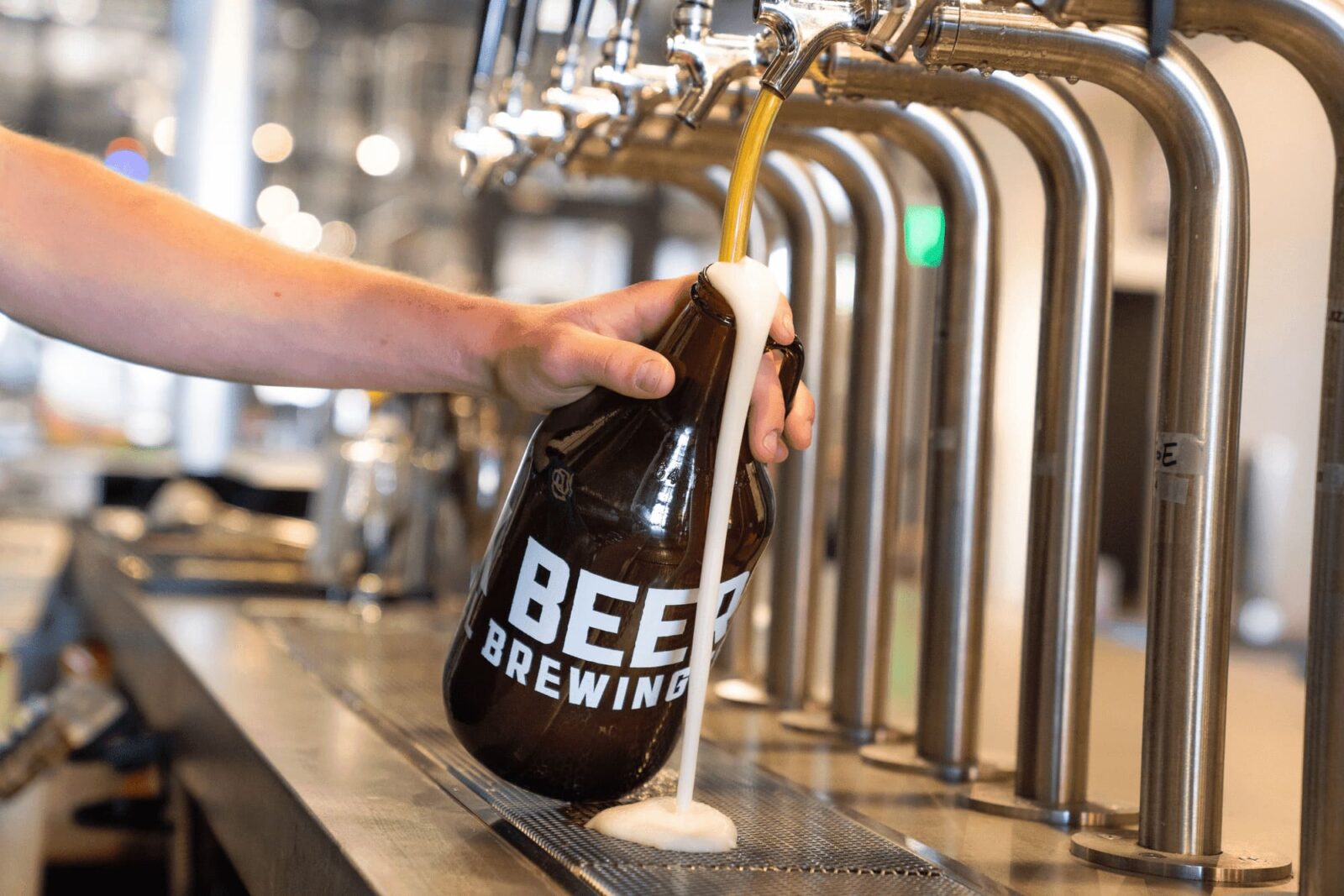
Ongoing disruptions to breweries’ supply of carbon dioxide have made national news on the heels of a decision by Massachusetts-based Night Shift Brewing to outsource most beer production in part because it was unable to source the gas needed to carbonate its beer. Combined with higher costs breweries are already paying for items like aluminum, malt, and packaging materials, the burden of having less CO2, paying more for it, or not being able to carbonate and sell as much beer as planned represents a crisis for breweries’ profit margins.

Less than half of beverage cans in the US are currently recycled: but US can manufacturers want to see 80% recycled by 2040 and 90% by 2050. So how can these goals be reached?
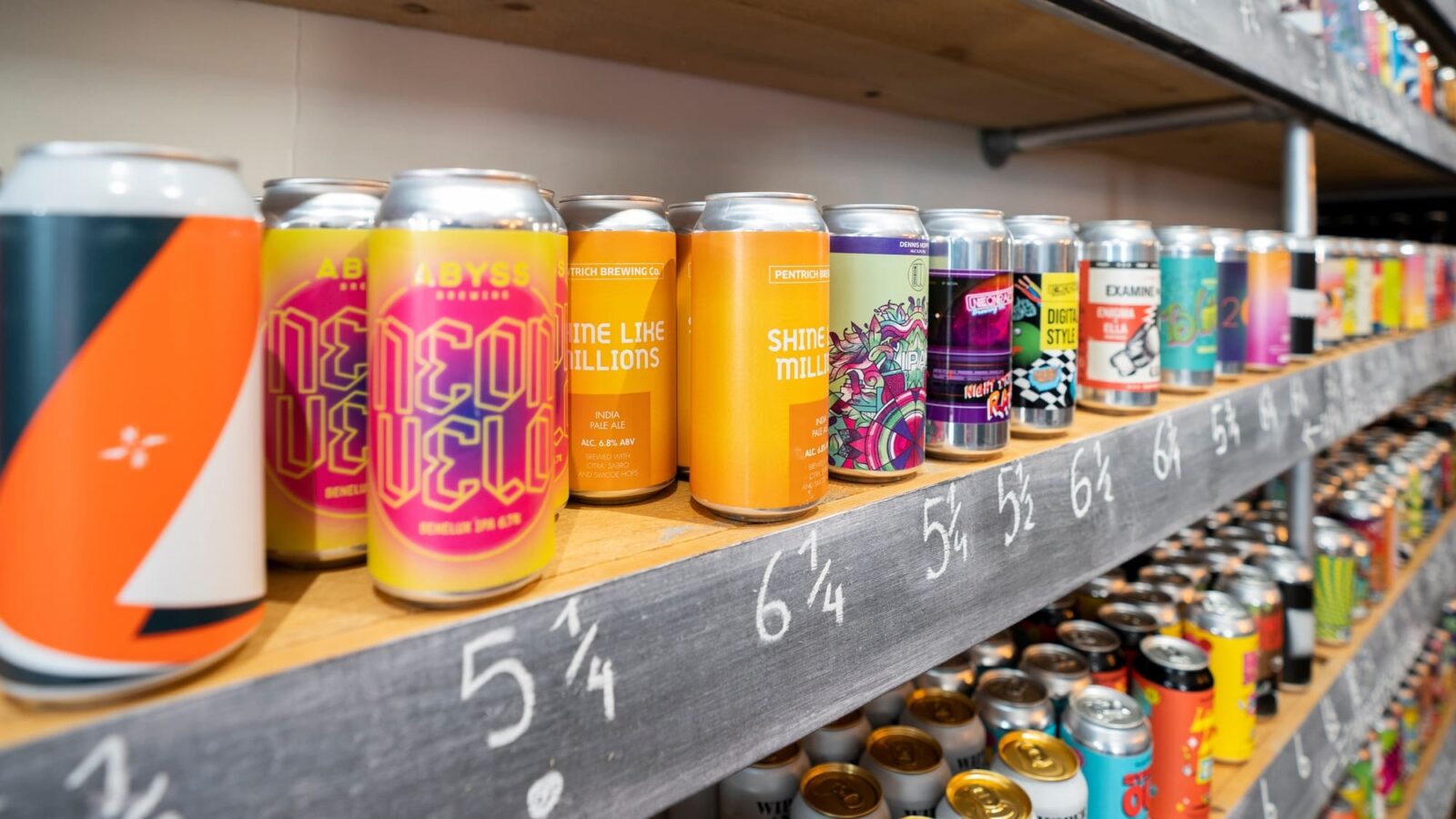
As consumers face higher costs for nearly everything they buy, there have been reports of shoppers trading down to cheaper brands in different food and beverage categories, including beer. But not all beer makers are seeing a wholesale switch to economy brands.
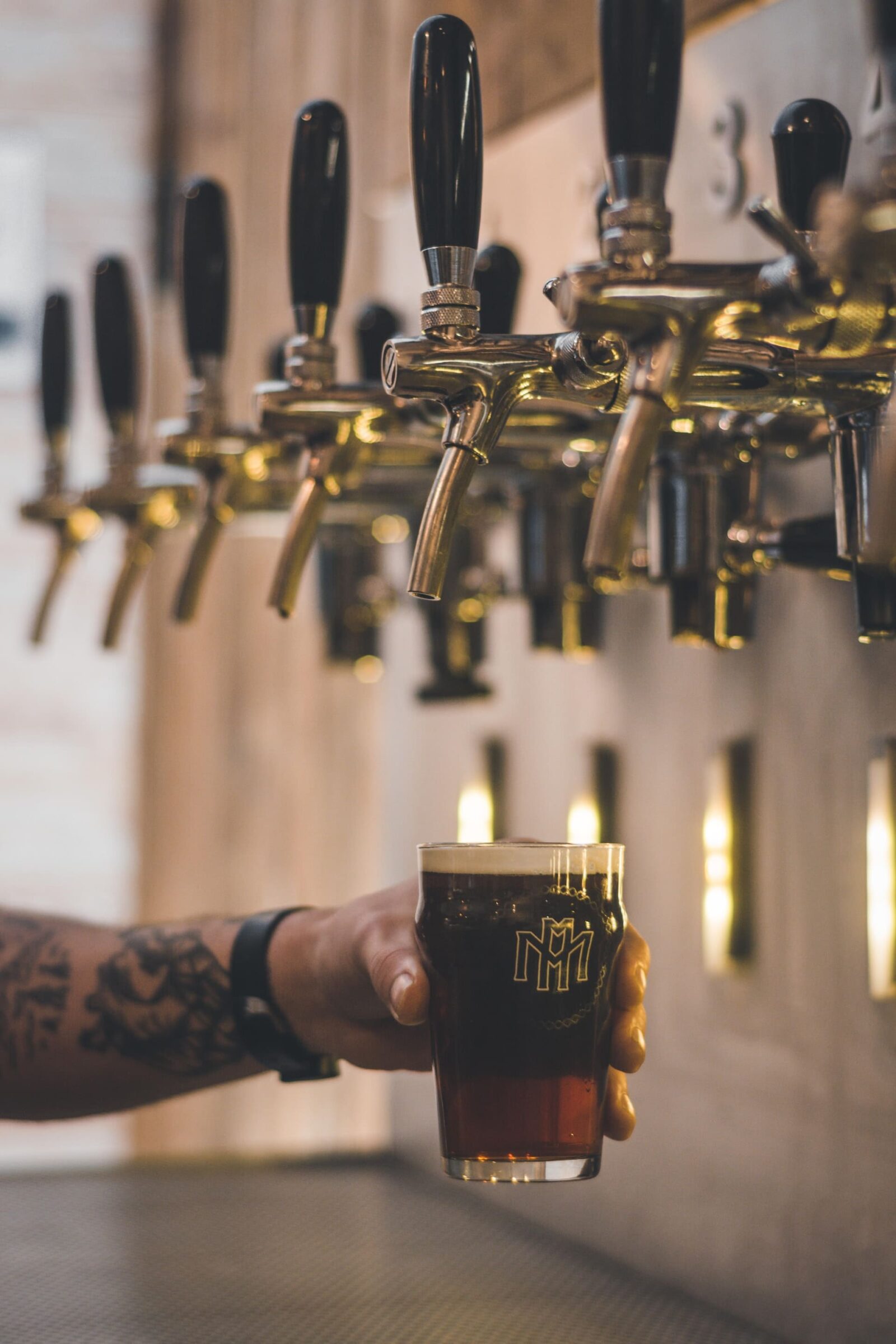
Breweries have already been facing higher costs for raw materials like aluminum and barley as a result of inflation. Craft breweries across America have been on the front lines of businesses facing higher material costs because of inflation. Now, many are confronting a shortage of a key ingredient: carbon dioxide, the gas that gives beer its crisp, effervescent taste. And one brewer has already said it plans to shut down a key manufacturing plant and lay off workers as a result.
Canpack S.A., part of the Canpack Group, will increase its manufacturing capacity of aluminum beverage cans with a new production facility in Poços de Caldas, in the State of Minas Gerais, Brazil.

Diageo will invest €200m ($203m) in Ireland’s first purpose-built carbon-neutral brewery on a greenfield site in Littleconnell, Newbridge, Co. Kildare: which will become the second largest brewing operation in the country after St. James’s Gate.