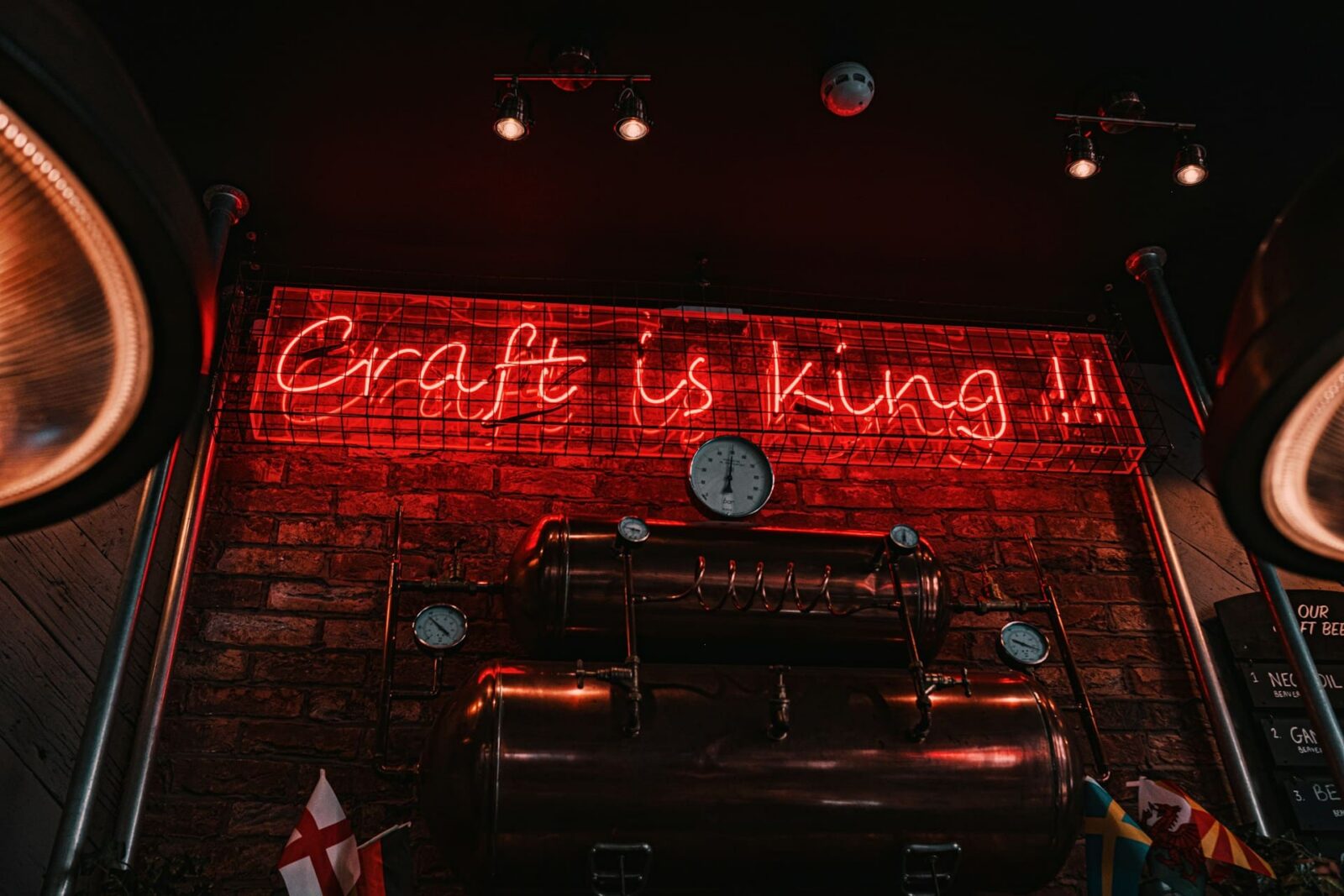
Today, the craft brewery industry in the United States combines deep brewing traditions with experimentation, local identity, and a strong appetite for new flavours. Its influence reaches well beyond taprooms, carving out opportunities for pubs, breweries, distributors, equipment suppliers, and other businesses across the beer supply chain.

The UK pub industry faces an unprecedented crisis. Since the turn of the millennium, over 14,000 watering holes have vanished, leaving just 46,800 pubs in operation by 2020. This sharp decline means nearly 8,600 communities lost their local social hubs in the last decade alone.
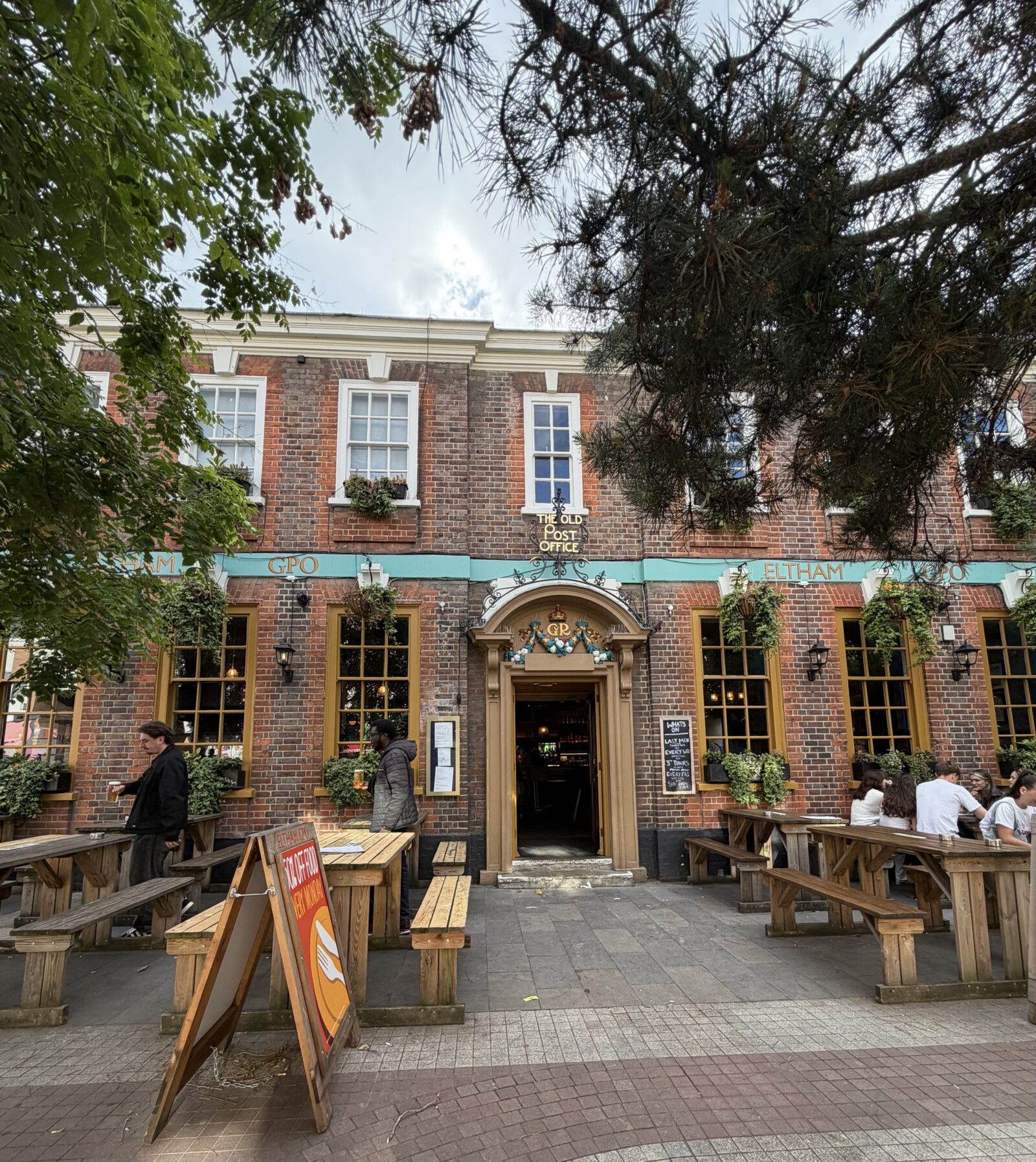
Learning the pub etiquette in the UK is less about avoiding awkward moments and more about knowing how what Brits call a “local” works as a shared social space. In this guide, we’ll highlight 20 unwritten rules, common mistakes, and simple habits that help keep British pub culture alive.
Brewing exceptional beer is one thing. Getting people to notice it, choose it, and come back for another pint is another challenge all its own. Competition across the craft beer industry continues to intensify, and breweries must always think of different ways to stand out.
The London Craft Beer Festival has earned its reputation as the UK’s premier celebration of craft beer, and it is easy to see why. Every year, the event brings together more than 100 breweries pouring over 800 beers, attracting everyone from curious newcomers to seasoned beer enthusiasts and industry veterans.
Records show that China has one of the world’s oldest brewing traditions. Archaeological evidence published in the Proceedings of the National Academy of Sciences (PNAS) proves that Chinese villagers were brewing beer-like alcoholic drinks as far back as 5000 BC.
Just like any other venture, thorough knowledge of the commercial brewing regulations in Singapore is a must before opening a brewery in the country. Licensing, food safety, customs, taxation, and operational requirements are all crucial in running a compliant business.
Despite its modest size, Singapore offers a dynamic environment where innovation and quality continue to mould the market. In fact, TechSci Research projects that the country’s beer market will reach $11.45 billion by 2030, growing at a 3.57% CAGR, with craft beer being one of the market’s strongest growth drivers.
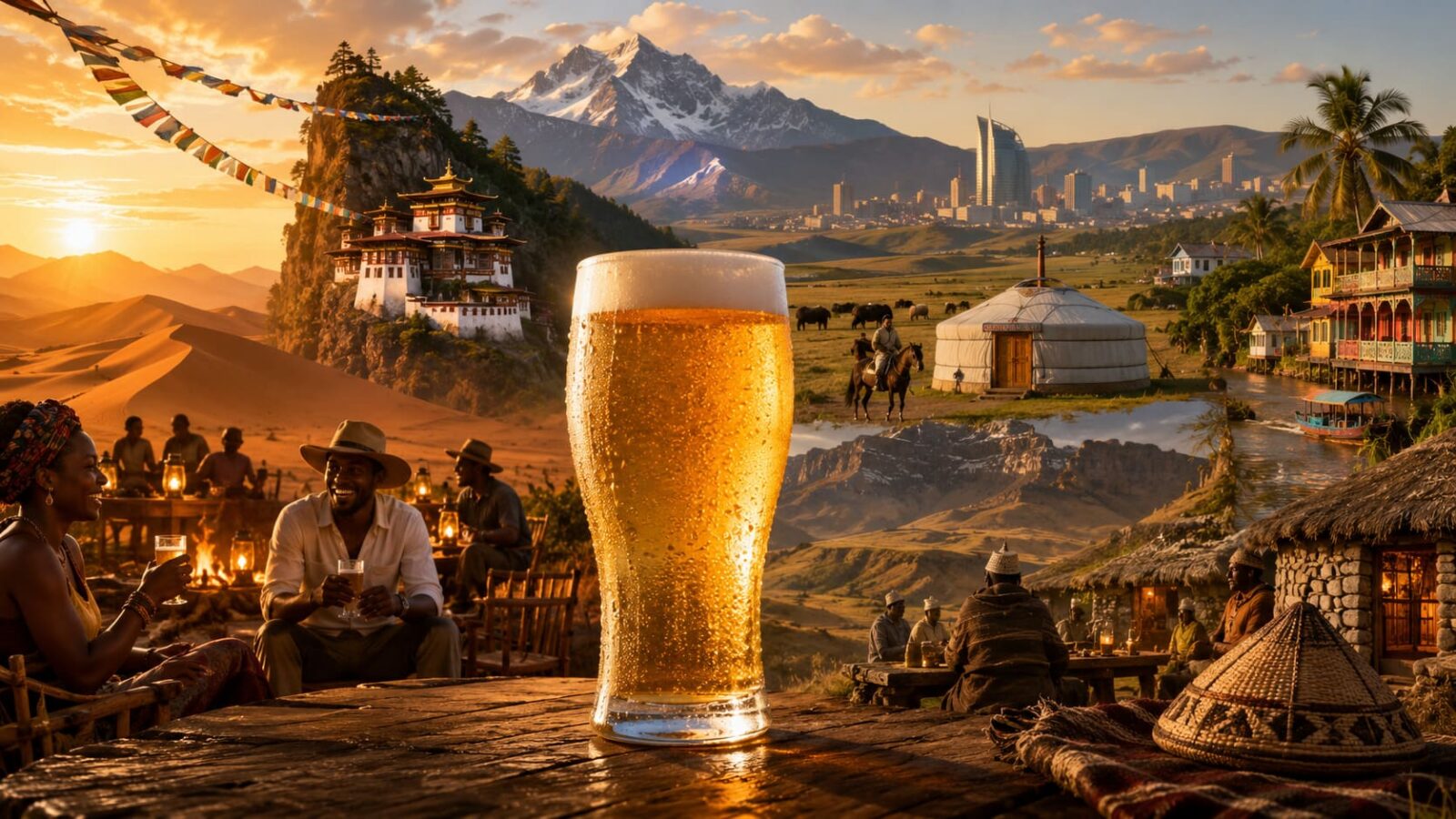
Across the world, there are smaller and less-discussed countries where beer plays a surprisingly important role in everyday life, national identity, hospitality and local celebration. Some have one dominant national lager. Others have tiny breweries producing bottles that rarely travel beyond the country’s borders. In a few places, beer sits alongside older traditions of fermented drinks, mountain hospitality or colonial brewing history.