Premiumization has been key in the low and no alcohol category to date. With the cost-of-living crisis, does this open up opportunities for the low and no-alcohol category to develop products in the economy space?

Premiumization has been key in the low and no alcohol category to date. With the cost-of-living crisis, does this open up opportunities for the low and no-alcohol category to develop products in the economy space?
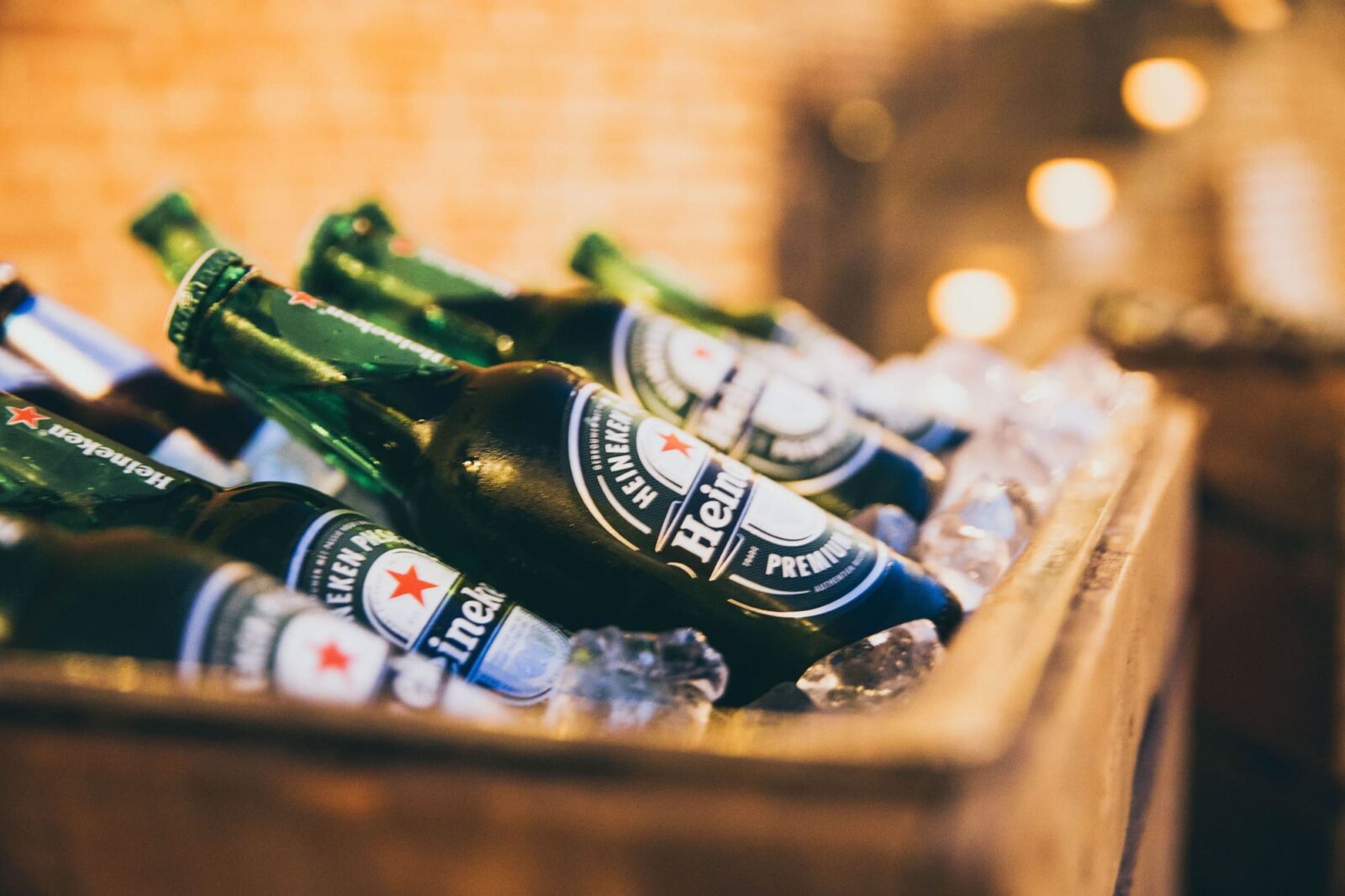
Heineken Vietnam has unveiled its largest brewery in Ba Ria Vung Tau: which has become the region’s largest after multiple expansions over the last five years.
Brewers have long been at the forefront of environmental causes and sustainable initiatives. From recycling to energy-efficient equipment, craft breweries have long worked to leave a minimal footprint in a very resource-heavy industry. The recent shock on fuel prices and rising energy costs along with an aging power grid in many states has caused breweries of all sizes to think about alternative energy sources or bringing equipment in-house to keep the lights on and taps flowing.

In many cases, entire trips can focus just on what there is to eat and drink in a particular location—especially if it’s a trip through wine country where you can accomplish both. But thanks to the craft beer boom of the past decade, the U.S. is also now home to an ever-growing number of locales that stand out in their own right. Without the need for vast vineyards or cavernous cellars, breweries have sprung up in practically any area where they can find four walls and a roof, creating an unprecedented era of quality and accessibility for the beverage. And while there’s likely plenty to sample in your neck of the woods, some of the beers in the world can only be found by planning a trip to visit them.
Copenhagen-based global beer company Mikkeller has announced it will close its only U.S. brewing facility in San Diego, citing “two years of COVID and the difficult current rising cost environment.” The closure does not include Mikkeller’s Little Italy taproom or its taproom in San Francisco. Mikkeller says it has 50 employees in the U.S., about half of whom will be laid off. Mikkeller San Diego has been open since 2016, and according to the Brewers Association (BA), produced 10,418 barrels of beer in 2021, down from a high of 11,750 in 2019.

Small breweries with a niche stylistic focus have undertaken what is likely to be a years-long effort to create more direct-to-consumer (DTC) shipping permissions for beer makers, similar to laws that already apply to wine. A victory would mean expanded sales opportunities for breweries and long-term potential to sell to new customers across the country. With a lawsuit filed against the state of Oregon, three Washington State breweries hope to show a courtroom can be more effective than legislators to even the playing field for beer producers.

Beer is a truly international beverage, with lagers, stouts, and ales consumed throughout the world. But which countries drink the most of it? The data, from Kirin Holdings (which oversees Kirin Brewery Company), was published in January of this year and shows the estimated country-by-country beer consumption levels for 2020.
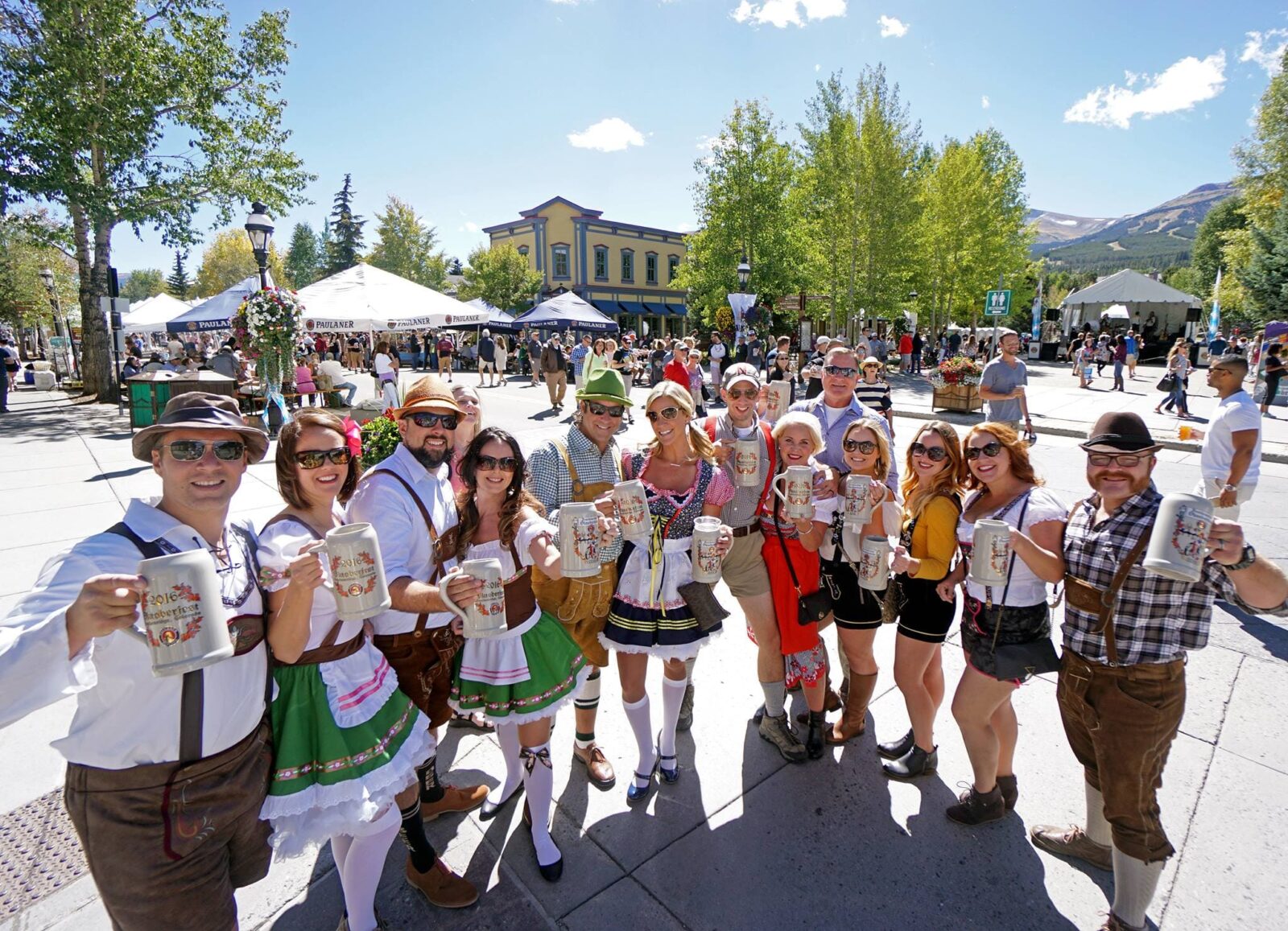
One of the most iconic Oktoberfest events in Colorado returns with a three-day celebration in historic downtown Breckenridge, September 23 – 25, 2022. The 26th annual Breckenridge Oktoberfest Presented by Breckenridge Brewery mixes time-honored Oktoberfest traditions with collectible steins and local flavors from Breckenridge Brewery, this year’s premiere beer sponsor.

Monster plans to launch its first flavored malt beverage RTD alcohol product at the end of the year, promising a drink that will ‘carve out its own unique space’ in the increasingly crowded sector. And the company signals that this will be more than a one-off, with several other product lines in development.