
The entire beer sector is enormous. In fact, Statista’s Global Beer Industry report revealed that 176.8 billion litres of beer were sold worldwide in 2024. China also led the world in production, brewing more than 359 million hectoliters, while the United States ranked as the biggest beer buyer, importing more than $7 billion worth of beer.
These figures show just how powerful the world’s leading beer markets remain. But which countries that drink the most beer top the global rankings?
The answer depends on more than population size.
This article highlights the ten leading beer-consuming countries, the growing appeal of craft beer, and the market potential behind these trends, based on Kirin Holdings’ Global Beer Consumption 2024 report.
Craft Beer vs. Regular Beer: What’s the Difference?

Before comparing the world’s biggest beer markets, it helps to clarify what “beer” actually covers. Craft and regular beer may share the same basic ingredients, but the following elements can look very different:
Scale and Ownership
The Brewers Association defines a craft brewer around three core factors:
- Small size
- Independence
- Traditional brewing ingredients
Craft breweries generally operate independently and produce beer on a smaller scale. The global mainstream market looks very different. A small group of multinational brewing conglomerates produces much of the beer consumed worldwide, using highly efficient production systems designed to serve huge markets.
Ingredients and Brewing Philosophy
Mass-market lager focuses on consistency, efficiency, and broad appeal. Large breweries rely on tightly controlled processes to deliver the same familiar taste across millions of servings.
Craft brewers, on the other hand, tend to take a more exploratory approach. They may use traditional ingredients alongside fruit, spices, unusual hops, or other distinctive additions. Small-batch production also gives brewers more room to test new recipes and develop bold flavours.
Style Diversity
Most beer included in Kirin Holdings’ global consumption figures is pale lager, reflecting the dominance of mainstream beer. Meanwhile, craft beer offers a far broader market, including IPAs, stouts, sours, wheat beers, barrel-aged varieties, and experimental hybrids.
Standard statistics rarely separate these styles, making beer consumption by country useful for understanding market size but less revealing about consumer preferences.
The ten countries below rank by total beer consumption, which mass-market lager overwhelmingly drives. Yet several also show strong craft beer growth, proving that total volume and craft opportunity are related but distinct stories.
The contrast provides essential context for exploring the countries that drink the most beer and why some are becoming exciting craft markets in their own right.
10 Leading Countries That Drink the Most Beer
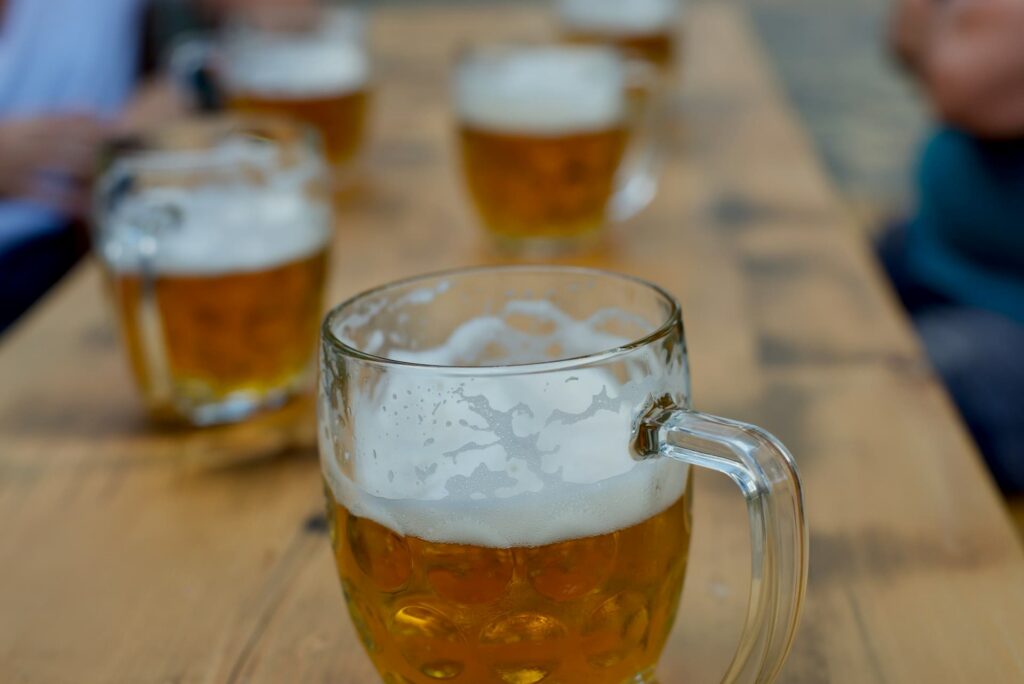
Population size, local traditions, climate, income, and drinking habits all influence how much beer a nation consumes.
So, which country drinks the most beer? As mentioned, the figures below come from Kirin’s Global Beer Consumption Report 2024, which tracks consumption across 170 major countries and regions.
1. China
China remained the world’s largest beer-consuming country, recording 40.5 million kilolitres and a 20.9% share of global consumption. It has held the number-one position for 22 consecutive years, dating back to 2003.
The scale of this market is striking, but volume tells only part of the story. China has also developed a growing appetite for premium and craft beer as consumers seek more unique tastes and higher-quality products.
As per the U.S. Department of Agriculture, the number of craft brewers in China nearly doubled between 2021 and 2023. It reached about 3,100, while more than 13,000 businesses were linked to the craft beer sector in 2024.
Enormous mainstream demand mixed with expanding craft interest makes China a market worth watching closely.
2. United States
United States landed second with 22.3 million kilolitres, giving it an 11.5% share of the global market. American craft brewing has matured into a major industry built around independent breweries, taprooms, brewpubs, and regional producers.
The Brewers Association counted 9,796 operating craft breweries in 2024, while craft beer generated an estimated $28.8 billion in retail sales. More importantly, craft beer accounted for 13.3% of U.S. beer volume and 24.7% of retail dollar sales.
The U.S. is a useful example of how a huge beer market can support both mainstream brands and an extensive craft ecosystem.
3. Brazil
Brazil ranks among the world’s biggest beer markets, supported by its large population, warm climate, and deeply rooted social drinking culture. Kirin Holdings recorded 16.0 million kilolitres of consumption, up 1.1% from the previous year.
Mainstream lager still dominates the market, particularly through large national brands and widely distributed products. Yet Brazilian consumers have also developed a stronger interest in speciality and craft beers.
Independent breweries have expanded the country’s style selection, introducing more IPAs, stouts, wheat beers, and locally inspired recipes.
Brazil’s size gives breweries and suppliers plenty of room to find different customer segments. Large cities such as São Paulo and Rio de Janeiro have become particularly important centres for premium and craft beer.
4. Mexico
Mexico consumed 10.8 million kilolitres of beer, placing it fourth globally and accounting for 5.6% of worldwide intake, and grew 5.4% year over year.
The country has an unusually strong position in international beer as well as domestic consumption. Brands such as Corona and Modelo have helped turn Mexican beer into an internationally recognised product. Meanwhile, domestic breweries continue to serve a large and enthusiastic home market.
Mexico’s export strength is particularly impressive. According to World’s Top Exports, Mexico shipped $6.3 billion worth of beer in 2025, representing 35.9% of global beer exports by value.
Thus, the country represents both a major consumption market and a powerful international beer destination.
5. Russia
Russia consumed approximately 9.5 million kilolitres, making it the fifth-largest market globally. More notably, consumption increased 9.0% year over year, one of the strongest increases among major beer markets.
Kirin Holdings specifically identified Russia’s growth as one of the factors that helped drive the increase in worldwide beer consumption during 2025.
The country’s beer market has traditionally leaned heavily toward accessible lager, but its sizeable consumer base creates room for premium products and more varied beer offerings.
Rising consumption also makes Russia an important market to monitor when assessing the broader direction of global beer demand.
6. Germany
Germany recorded roughly 7.2 million kilolitres of beer, ranking sixth worldwide despite a 2.2% decline from the previous year.
It is home to the Reinheitsgebot, the famous beer purity law, and a brewing tradition that stretches back centuries. Beer remains deeply embedded in regional food, festivals, pubs, beer halls, and everyday social life. Only a few countries carry the same historical connection to brewing.
Interestingly, Germany’s global position looks different when you factor in population size. Kirin Holdings also reported that Germany dropped from eighth to 10th place in per-capita consumption in 2024.
The distinction shows why total volume and per-person consumption tell different stories. Germany remains one of the top beer markets, even as its overall consumption faces longer-term pressure.
7. South Africa
South Africa consumed about 4.59 million kilolitres, narrowly ahead of Vietnam and making it the seventh-largest market globally. Consumption rose 4.5%, one of the strongest increases among the world’s leading markets.
The country has one of Africa’s most established beer sectors, supported by strong domestic brands, a sizeable hospitality sector, and a long-standing beer-drinking culture. Its developed brewing infrastructure also gives suppliers and craft producers a foundation for further advancements.
8. Vietnam
As for Vietnam, the country recorded approximately 4.58 million kilolitres of beer consumption, placing it eighth globally after South Africa moved ahead of it. Consumption edged up 0.6% during the year.
A young, increasingly urban population, a vibrant food culture, and tourism also give the market considerable appeal. Large-scale lager remains dominant, but Vietnam’s expanding hospitality sector creates a wider room for premium and speciality beers, particularly in major urban and tourist destinations.
9. United Kingdom
The UK consumed approximately 4.51 million kilolitres, placing it ninth globally, and consumption rose 1.7% year over year.
Few places have connected beer so closely to everyday social life. The British pub remains central to the country’s drinking culture, while centuries of brewing have produced a unique tradition of bitters, pale ales, porters, and stouts.
Modern British brewing has added another layer. Independent breweries and craft producers have expanded the country’s beer selection, bringing contemporary IPAs, sour beers, alcohol-free options, and experimental releases into pubs, taprooms, restaurants, and shops.
10. Spain
Lastly, Spain recorded around 4.36 million kilolitres of beer and is the 10th-largest market globally. The country’s total beer consumption declined 1.3% during the year.
Beer in Spain is closely tied to food and socialising. A cold beer often arrives alongside tapas, pintxos, seafood, grilled dishes, or a long afternoon meal. Spanish relationship between beer and eating gives the on-trade market a special character.
Spain’s beer culture also extends beyond traditional lager. Independent breweries have introduced more IPAs, pale ales, stouts, and other speciality styles, giving pubs and restaurants additional ways to appeal to consumers looking for something different.
Overall, Asia accounted for 32.6% of global beer consumption in 2024, remaining the world’s largest beer-consuming region for the 17th consecutive year. This is a pattern that closely connects the world’s biggest countries that drink the most beer with The Beer Post’s article on the fastest-growing craft beer markets.
Why Craft Beer Is Taking Root in the World’s Top Beer-Drinking Nations

Craft beer’s popularity stems from existing cultural norms. When beer is already a daily social staple, upgrading to premium options is a small step.
Foundation of Beer-Drinking Culture Already Exists
The top beer-drinking countries already have established pubs, bars, restaurants, festivals, and social traditions built around beer. Craft breweries can tap into this existing infrastructure instead of creating a new drinking culture.
They simply give familiar beer occasions a more premium and varied choice.
Rising Incomes Are Driving Premiumisation Everywhere
Higher disposable incomes are encouraging consumers in markets such as China, Vietnam, and South Africa to spend more on premium products. Beer follows the same pattern seen across food, coffee, and other beverages.
Consumers who once chose affordable lager can increasingly explore craft beers when they have more room in their budgets.
Younger, Urban Consumers Are Actively Seeking Differentiation
Younger consumers in cities are often drawn to products that offer something distinctive. China and Vietnam illustrate this trend particularly well.
Their urban audiences have already embraced premium coffee, speciality food, and lifestyle brands, making craft beer an easy extension of that behaviour.
New flavours, brewery stories, and visually distinctive products can add appeal beyond simply having a drink.
Local Identity Sells
Craft breweries can turn local culture into something consumers can taste. Chinese breweries experiment with ingredients such as Sichuan pepper, while Spanish producers can create beers designed around tapas and regional food traditions.
These approaches give countries that drink the most beer an opportunity to develop craft identities that feel genuinely local rather than imported.
Tourism Reinforces the Trend
Tourists increasingly look for experiences that connect them to a destination. Spain, the UK, and Vietnam already attract large international audiences, giving local breweries opportunities to introduce visitors to regional flavours, taprooms, and brewing traditions.
A local craft beer can become part of the travel memory in a way another globally available lager rarely can.
Countries That Drink the Most Beer: Big Markets, Bigger Opportunity
The countries drinking the most beer today could also influence craft beer’s next major growth chapter. These markets combine enormous existing demand with consumers increasingly interested in premium flavours, independent breweries, and new beer experiences.
For breweries and supply chain companies deciding where to focus resources, the ten markets highlighted here offer both scale and room for innovation.
The Beer Post covers craft beer markets across the world’s biggest and fastest-growing beer-drinking nations, connecting breweries and supply chain companies with audiences, insights, and opportunities in these markets.
Get in touch with The Beer Post and see what we can do for your business!