
When people think of Spain, wine, sangria, and sun-soaked terraces often come to mind first. Beer may not be the first drink associated with the country, but that perception is changing as a growing number of consumers discover locally brewed craft beers.
The craft beer industry in Spain has developed into one of Europe’s fastest-growing beer markets, creating new opportunities for breweries, pubs, distributors, and other businesses across the supply chain.
In this article, we’ll look at how Spain’s craft beer scene began, what makes it different, its economic impact, and what lies ahead for the market.
How the Craft Beer Industry in Spain Got Started
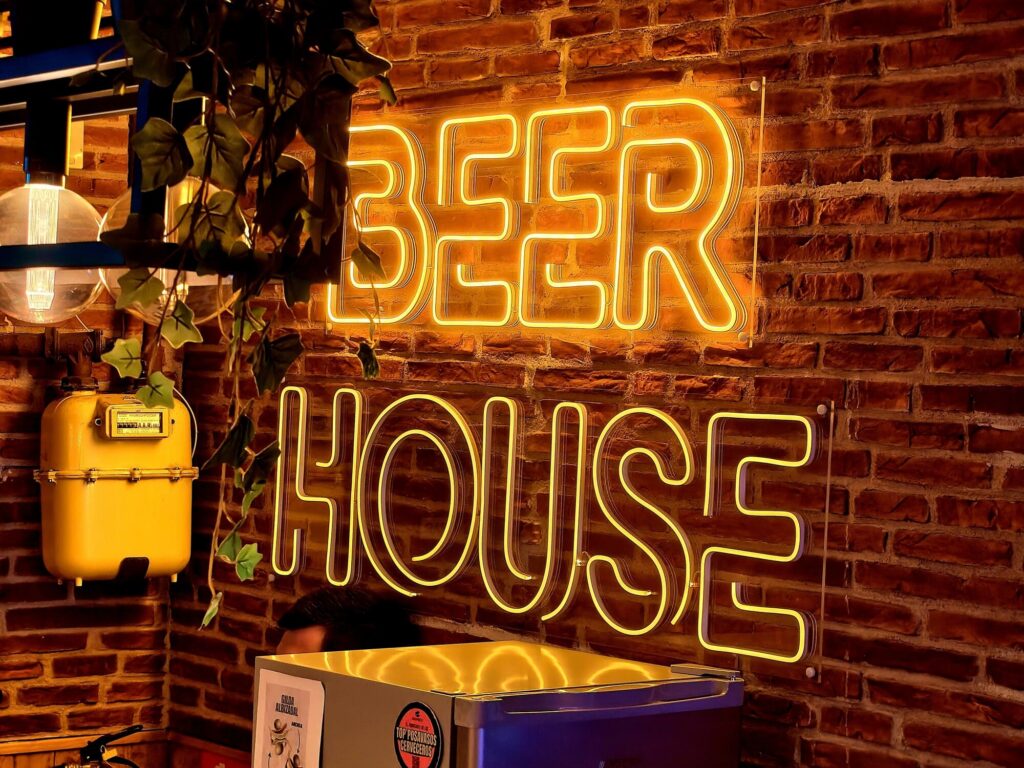
España’s craft beer journey began in the early 21st century, considerably later than established brewing powerhouses in the UK, Belgium, and Germany.
A small but passionate group of homebrewers started experimenting with different styles and techniques, challenging a market long dominated by large industrial lager producers. Their efforts gradually introduced Spanish drinkers to a wider world of beer.
Mid-2000s Turning Point
The mid-2000s marked a turning point as small, independent breweries began appearing across Spain. Brewers wanted to move beyond familiar lagers and create beers that combined Spanish character with ideas borrowed from international brewing cultures.
Local ingredients, distinctive flavours, and modern brewing techniques became central to this new approach. Breweries such as Domus in Toledo and Cerveses del Montseny in Catalonia helped establish an early foundation for the present-day craft scene.
Modern Example of Spanish Craft Breweries’ Maturity
Compañía de Cervezas Valle del Kahs (CCVK) shows how far the craft brewery scene has developed. Dani and Silvia built the Madrid brewery around a family-owned former bleach factory in Vallecas.
Dani’s interest began with homebrewing after discovering new beer styles through friends returning from Brussels. CCVK released its first beer, Red Kahs, in 2016 and later moved into a larger Vallecas facility in 2023, giving the business greater brewing capacity while retaining its neighbourhood roots.
Consolidation Signals a Maturing Market
The market’s development is also attracting Spain’s biggest brewing groups. In April 2025, Hijos de Rivera, the company behind Estrella Galicia, took a stake in Basqueland, an award-winning independent brewery based in Hernani near San Sebastián.
Basqueland produced more than 800,000 litres in 2024 and generated €3.5 million in revenue. The deal forms part of Hijos de Rivera’s wider craft brewers project, signalling that established businesses increasingly view the craft beer industry in Spain as a massive strategic opportunity.
What Makes the Craft Beer Industry in Spain Different
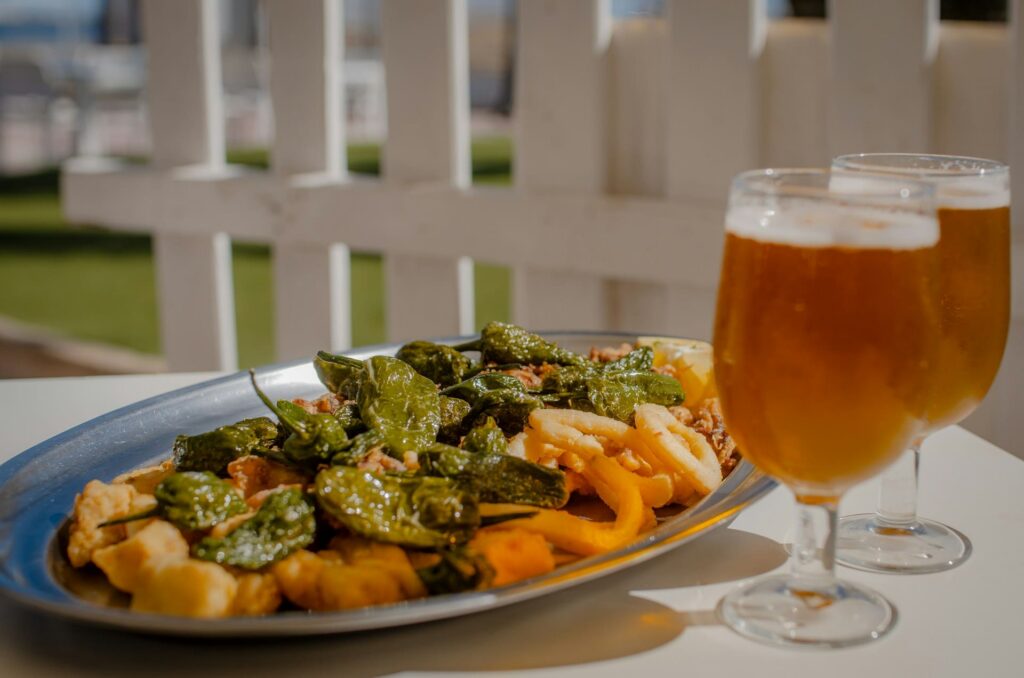
Spain’s beer market has its own character, influenced as much by lifestyle and geography as by brewing itself. The combination gives the country’s craft sector a distinct identity that organisations entering the market need to learn.
Built Around Food and Drink
Tapas, pintxos, and long meals naturally bring a drink into the experience, making food pairing a familiar part of Spanish drinking culture. That pattern differs from markets such as the US and UK, where taprooms often serve as standalone destinations.
Spanish craft breweries and beer bars can instead position their products alongside local dishes, giving restaurants and hospitality venues a natural route into the craft segment.
Deep Regional Identity
Spain’s regional diversity also shows up in its beer. Brewers draw inspiration from local ingredients, traditions, and flavours, creating products that feel connected to their surroundings.
Citrus-led beers in Valencia and barrel-aged creations in Catalonia illustrate how regional character can influence recipes. This approach resembles the US craft brewery sector, where states such as Vermont, Colorado, and areas of the Pacific Northwest have developed recognisable brewing identities of their own.
Lager Still Dominates the Broader Market
Craft beer operates within a market where lager remains king. Vyansa Intelligence’s Spain Beer Market study puts lager at around 80% of the overall beer market by volume.
More than 15 companies actively produce beer, while the five largest players control roughly 75% of the market. Spain still has room to develop its craft segment; its 10.4% share of Europe’s overall craft beer market trails the UK’s 22.6%, highlighting both the competitive challenge and the available headroom.
Massive Tourism
Tourism gives Spain’s craft beer sector another valuable advantage. International visitors bring new tastes and expectations, while major cities provide a steady audience for breweries, bars, and festivals.
Craft beer in Barcelona benefits particularly from the city’s established beer culture and international visitor base. Events such as the Barcelona Beer Festival also connect breweries with consumers and industry professionals from across Europe.
Craft Scene Still Finding Mainstream Acceptance
While Spain has made notable strides, craft beer remains an emerging category with significant headroom for growth. Data from Foods & Wines from Spain highlighted this trajectory, recording 650 craft brands and 441 production facilities nationwide.
Economic Impact of Spain Craft Beer Market
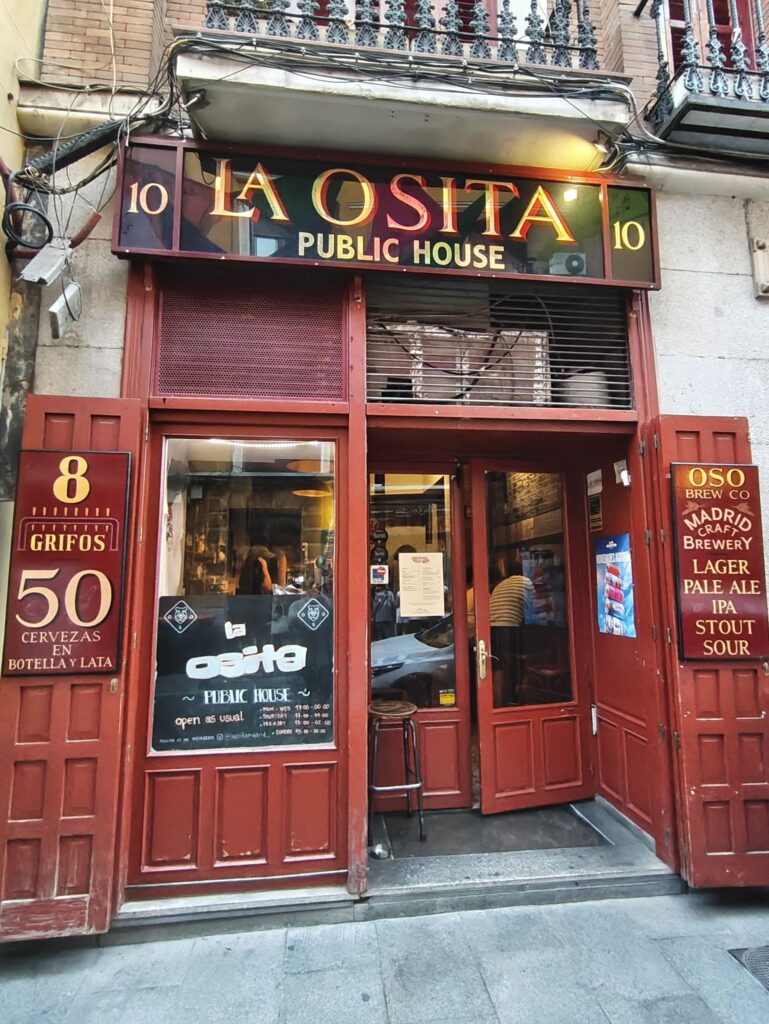
The country’s dense network of bars and restaurants gives the craft beer industry in Spain a remarkably strong commercial foundation.
According to Catalan News (citing Spain’s National Statistics Institute), the nation boasts roughly 184,430 bars (one for every 175 residents), giving it one of the highest bar-per-capita densities in the world. Andalusia leads the country with over 49,000 establishments, followed closely by Catalonia with nearly 43,000.
Regional Economic Development
Craft breweries are creating economic activity well beyond their taprooms. Catalonia, the Basque Country, Valencia, and Madrid have become important centres for independent brewing.
These regions support jobs, commercial premises, and demand for ingredients, packaging, brewing equipment, and specialist services. Thus, regional development gives local suppliers new routes into the expanding beer economy.
Investment From Major Domestic Players
Large Spanish beverage companies are also putting capital behind craft beer. Mahou San Miguel, through its Barlab initiative, has supported emerging beer brands and entrepreneurs, giving smaller players access to expertise, resources, and industry connections.
This demonstrates how major domestic companies are helping Spain’s craft beer sector while responding to evolving consumer interest in distinctive, locally produced beers.
Distribution Channel Expansion Creates New Openings
España’s strong hospitality culture gives craft breweries extensive access to on-trade customers, while supermarkets and online platforms are opening additional routes to market.
As off-trade and e-commerce channels develop, suppliers that understand retail listings, fulfilment, warehousing, and last-mile delivery can find new routes alongside traditional pub and restaurant distribution.
Tourism-Linked Revenue
Tourism adds another layer of demand. Spain welcomed a record 96.8 million international tourists in 2025, while international visitor spending reached €134.7 billion.
Craft breweries and beer bars can tap into this constant flow of visitors seeking local food and drink experiences. For businesses entering Spain, the mix of tourism, hospitality, and growing consumer interest gives the craft segment an unusually broad commercial base.
Things to Look Forward to in the Craft Beer Market in Spain in 2026 Onwards
Spain’s craft beer story is moving into a more interesting phase. The early focus on building breweries and introducing new beer styles is giving way to bigger questions around scale, distribution, investment, and international reach.
Continued Double-Digit-Adjacent Hike
iMarc’s statistical report about Spain’s craft beer market revealed that it reached $2.5 billion in 2025 and is expected to reach $5.1 billion by 2034, growing at a CAGR of 8.39% during 2026–2034. Breweries, distributors, equipment suppliers, and hospitality businesses have plenty of reason to keep watching Spain closely.
Premiumisation and Emergence of Microbreweries in Spain
Younger consumers are showing greater interest in distinctive flavours, innovative recipes, and less conventional beer styles. That demand is helping microbreweries gain ground, particularly in Catalonia, the Basque Country, Valencia, and Madrid.
Premiumisation also reflects a wider international trend seen in developing craft markets like Singapore, where consumers increasingly seek variety and higher-quality products.
Off-Trade and E-Commerce Channels
The next stage of the craft beer industry in Spain will not happen exclusively behind the bar. The surge in off-trade sales puts craft brewers in a strategic position, making it easier than ever to reach customers where they shop, browse, and scroll.
Better access to these channels could also create demand for warehousing, fulfilment, packaging, and e-commerce logistics providers.
More Consolidation and Strategic Investment
The 2025 Hijos de Rivera and Basqueland Brewing deal could prove to be an early example of a broader investment trend. Established beverage groups have the resources to acquire stakes, develop craft portfolios, and build dedicated craft beer projects.
More strategic deals could follow as larger companies look for growth beyond traditional beer categories.
Rising International Recognition
Spanish craft beer has also reached a point where international recognition looks increasingly realistic. Greater production capacity, stronger brewery identities, international collaborations, and tourism exposure can help Spanish producers attract attention beyond their domestic market.
The country could follow the path taken by other European craft beer destinations that evolved locally and into globally respected brewing scenes.
Craft Beer Industry in Spain is Among the EU’s Most Promising Growth Trajectories
What started as a niche homebrewing trend in the early 2000s is now a thriving industry. Spain’s craft beer sector continues to accelerate, propelled by:
- Strong regional identities
- Major tourism
- Strategic domestic investment
- Consumer demand for premium products
Despite this, the Spanish market remains far less saturated than established European nations, offering significant headroom for expansion. For breweries, venue operators, and supply chain companies, the country represents a prime high-growth opportunity.
The Beer Post bridges the gap, connecting international craft beer brands with expansion opportunities in thriving markets worldwide. Contact The Beer Post today to discover your industry opportunities in Spain!