
When people think about craft beer growth, the US, UK, and Australia usually come to mind. Yet, the most compelling opportunities are emerging elsewhere.
Changing consumer tastes, rising disposable incomes, urbanisation, and growing interest in local beer are creating fresh opportunities for the global craft beer industry. These factors are putting budding craft beer markets on the radar of breweries, suppliers, distributors, and other businesses looking beyond established beer hubs.
For companies considering international expansion, these markets offer more than promising demand. Each presents its own mix of consumer preferences, regulatory conditions, production capabilities, and supply chain considerations.
Familiarity with those differences can help identify where investment and partnerships may have the strongest potential. In this article, The Beer Post highlights the ten fastest-growing craft beer markets worldwide, paying close attention to the trends and opportunities shaping these countries.
Global Craft Beer Statistics in 2026
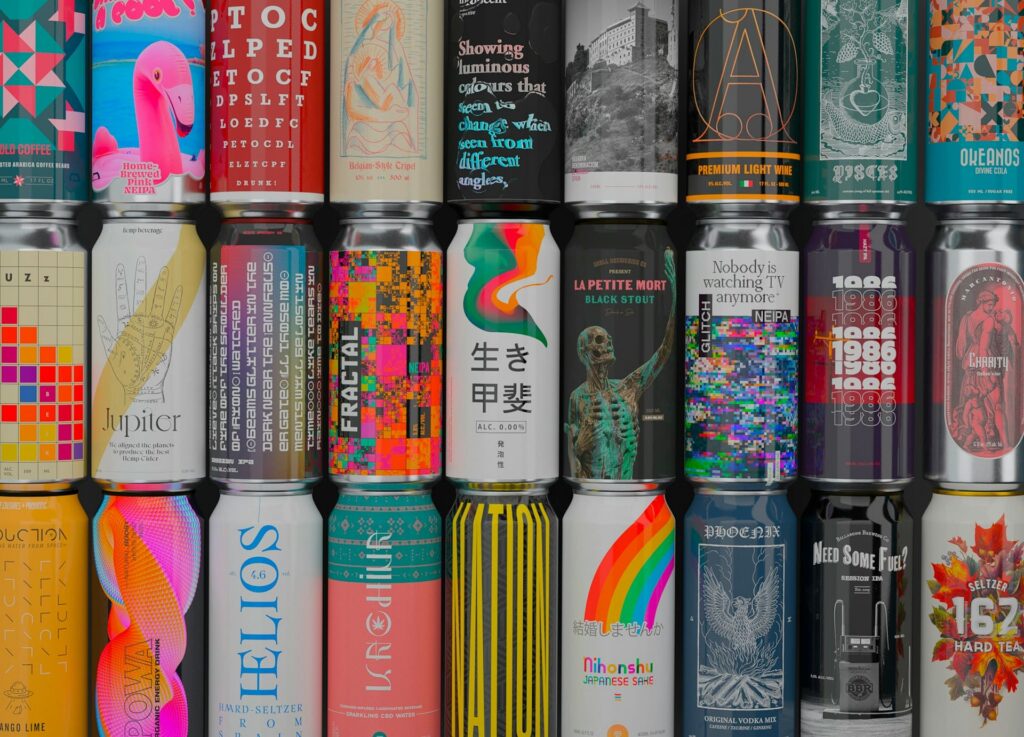
The global craft beer statistics in 2026 point to an industry that continues to expand. However, the most interesting opportunities are no longer concentrated in traditional craft beer strongholds.
The Market Is Still Climbing
Fortune Business Insights reports that the global craft beer sector will reach $290.55 billion by 2034, representing an 11.00% CAGR. North America has been identified as a strong market, supported by constant taste innovation and a wide range of flavourful beer options.
North America Still Leads on Size, Not Speed
Market Data Forecast estimates the North American craft beer market at $61.79 billion in 2026, rising to $173.19 billion by 2034 at a 13.75% CAGR.
Ale held the largest product share at 40.5% in 2025, supported by enduring demand for IPAs and other hop-forward styles. Meanwhile, Lager is forecast to be the fastest-growing type at 6.8% CAGR.
On-trade sales will grow at 8.5%, reflecting continued interest in taprooms and social drinking experiences.
Asia Pacific Craft Beer Market Has Overtaken Everyone Else
Grand View Research identifies Asia Pacific as the fastest-growing regional craft beer market, with an 8.1% CAGR between 2026 and 2033.
China accounted for 73.9% of the region’s craft beer revenue in 2025. Rising interest in Western-style and premium beers, particularly among urban millennials, is encouraging demand for speciality brews and new flavours.
Brewery tours, festivals, taprooms, supermarkets, convenience stores, and e-commerce are also expanding consumer access.
Premiumisation Is the Common Thread Everywhere
Premium positioning, format innovation, and broader participation among female consumers are helping offset softer volumes in mature markets.
Driven by rising demand for high-quality beer experiences and expanding urban on-trade channels, the global craft premium lager market is poised for strong growth. According to Report Prime, these evolving consumer trends are set to propel the market to $7.98 billion in 2026.
Investment Is Following the Growth
Brewing investment increasingly reflects the opportunities in developing beer markets.
- Carlsberg invested nearly $90 million in its Vietnam brewery expansion in 2025, increasing production capacity at its Phu Bai brewery by 50%.
- AB InBev has also continued to expand its production and supply capabilities in rising markets, including India.
- Heineken continues to invest in its international brewing network and production capabilities as it targets growth across its global markets.
These investments send a clear commercial signal. Large brewers are putting capital into local production, capacity, distribution, and premium brands in markets where consumer demand is developing.
For breweries and supply chain companies assessing the fastest-growing craft beer markets, that investment provides another useful indicator of where the wider beer industry sees long-term potential.
10 Fastest-Growing Craft Beer Markets in the World to Look Out For
The global beer sector is becoming more diverse, giving breweries and suppliers a wider pool of markets to consider. Here’s a quick look at craft beer market growth by country.
| Rank | Country | Total Breweries | Data Year / Basis |
| 1 | China | 2,000+ | 2025; craft breweries |
| 2 | Brazil | 1,950 | Registered breweries |
| 3 | Argentina | 650–1,000+ | Estimated resgistered/local & craft breweries |
| 4 | Japan | 728 | April 1, 2026 |
| 5 | India | 512 | April 1, 2026 |
| 6 | Indonesia | 250+ | Craft breweries |
| 7 | South Africa | 200+ | Local commercial craft & independent microbreweries |
| 8 | South Korea | ~182 | Microbreweries & small-scale local craft breweries |
| 9 | Thailand | 50–80 | Active domestic craft breweries; broader estimates exceed 200 |
| 10 | Vietnam | 315 | 2022 |
Now, let’s explore what makes these countries the fastest-growing beer markets right now:
1. China
China’s sheer scale makes it impossible to overlook. The country has developed a substantial independent brewing ecosystem alongside its enormous mainstream beer sector.
China contains a mixture of established commercial breweries, independent craft producers, brewpubs, and small local operations. Industry estimates indicate that the number of craft breweries surpassed 2,000 in 2025.
Broader evaluations place the number of small and craft local breweries above 10,000, depending on how informal and small-scale operations are classified.
China also benefits from strong retail infrastructure and a sizeable hospitality sector. For international businesses, the opportunity is substantial. The scale and diversity of the country’s beer ecosystem help explain why it belongs among the fastest-growing craft beer markets.
2. Brazil
Brazil remains one of the most important craft beer markets in South America. Small brewers have attracted consumers through creative interpretations of traditional styles, experimental recipes, and locally relevant flavours.
Industry reports from Sindicerv and federal registry data put the country at around 1,950 registered breweries operating across approximately 790 municipalities. The geographic spread demonstrates that craft brewing has developed well beyond Brazil’s largest cities.
The country’s large population and strong social drinking culture give craft breweries a substantial domestic audience. Suppliers can also find opportunities in brewing equipment, ingredients, packaging, refrigeration, logistics, and taproom infrastructure.
3. Argentina
Argentina has built one of Latin America’s most recognisable craft beer communities, particularly in Buenos Aires and other major urban centres.
Independent brewers have embraced both traditional styles and more modern approaches. The mixture has created a diverse market for consumers seeking alternatives to mass-market lager.
Estimates place Argentina at roughly 650 to more than 1,000 registered local and craft breweries, alongside major industrial producers.
4. Japan
Japan offers a different proposition, a relatively mature craft beer culture with considerable room for premium innovation. Its craft beer sector has been reported to grow at around 7% annually, reflecting strong consumer interest in distinctive, small-batch products.
Rentech Digital counted 728 breweries in Japan as of April 1, 2026, representing a 5.04% increase from 2023. Single-owner businesses accounted for 660 breweries, or 90.66% of the total, while 68 belonged to larger brands.
5. India
India stands out for its combination of a huge consumer base and an expanding independent brewing scene.
According to Rentech Digital, the country had 512 breweries as of April 1, 2026, up 3.29% from 2023. Single-owner operations accounted for 443 breweries, or 86.52% of the total, while larger brands represented 69 locations.
6. Indonesia
Indonesia presents an interesting outlook within Southeast Asia. Tourism and hospitality continue to support premium beverage consumption in major cities and resort destinations.
The country’s craft beer segment has grown substantially, with estimates putting the number of craft breweries at more than 250, compared with around 175 previously. Indonesia’s growing middle class adds another source of potential demand, particularly in urban centres.
7. South Africa
South Africa has developed one of Africa’s most established craft beer communities. The country has more than 200 local commercial craft and independent microbreweries spread across its provinces.
South Africa also offers an important gateway into the broader African beer sector. International companies can use the country to understand regional consumer preferences, distribution structures, and hospitality trends before considering additional African markets.
8. South Korea
South Korea’s craft beer sector has expanded rapidly alongside urbanisation, rising disposable incomes, and changing preferences among younger consumers.
Seoul and other major metropolitan areas have become centres for breweries, taprooms, beer bars, and modern food-and-beverage experiences.
The country has approximately 182 microbreweries and small-scale local craft breweries. This exhibits a scene that has developed considerably from its relatively small base a decade ago.
9. Thailand
Thailand’s craft beer opportunity benefits heavily from tourism, nightlife, restaurants, and a vibrant hospitality industry. The country attracts millions of international visitors each year, giving craft breweries access to consumers already familiar with premium and speciality beer.
Thailand has several major industrial brewing corporations alongside an estimated 50 to 80 active domestic craft breweries. Broader estimates exceed 200 when informal, nomadic, and home-based brewing operations are included.
A registry-based dataset lists around 174 businesses under beer manufacturing classifications, illustrating how definitions can produce very different counts.
10. Vietnam
Vietnam also combines a well-established beer-drinking culture with growing interest in premium and speciality products.
Report Cube estimates that the Vietnamese beer market will register a 7.45% CAGR between 2026 and 2034, reaching $11.57 billion by 2034. The country ranks as Asia’s third-largest beer consumer and ninth globally, accounting for approximately 2.2% of the global beer market.
Not every market on this list is equally easy to enter. The fastest-growing craft beer markets also come with different regulatory, logistical, cultural, and supply-chain considerations.
What to Consider Before Expanding Into These Fastest-Growing Craft Beer Markets
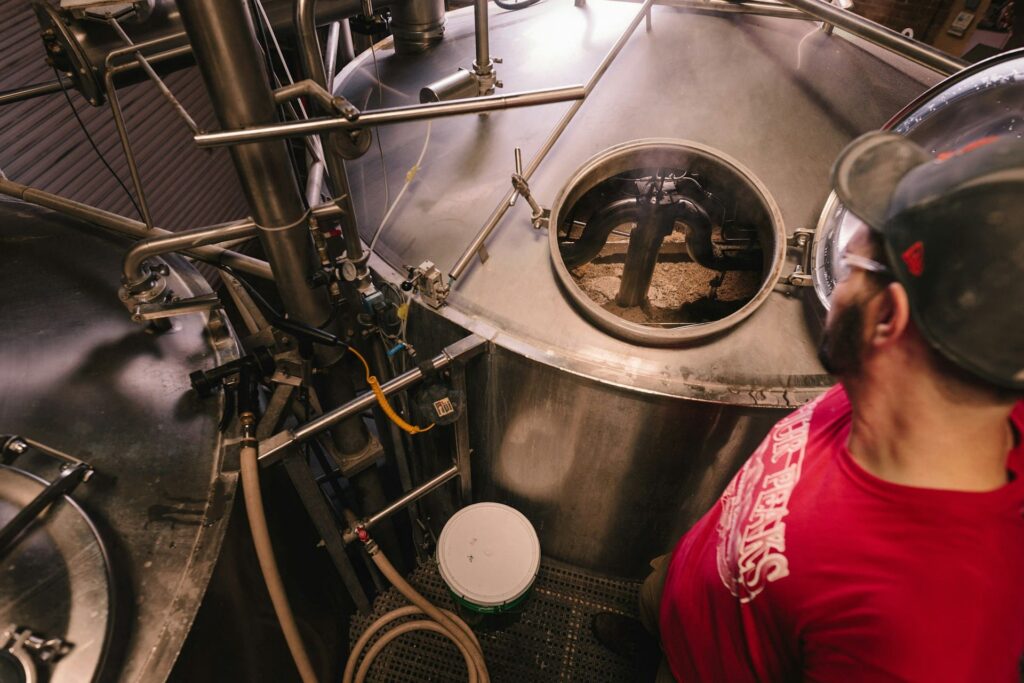
The strongest international opportunities often come with a little more homework. Breweries and supply-chain companies assessing craft brewery expansion opportunities need to look beyond consumer demand and consider the following:
Regulatory Complexity Varies Enormously
India demonstrates how complicated market entry can become when rules differ across jurisdictions. Its 28 states operate under distinct alcohol frameworks, and licensing can take 12 to 18 months in some cases.
Breweries and suppliers therefore need realistic timelines and sufficient legal resources before committing capital. A model that works in a single-jurisdiction market such as the UK or Singapore may require substantial adaptation in India.
Currency and Economic Volatility Affect Margin Planning
Brazil’s craft beer sector continues to grow amid macroeconomic volatility and regulatory complexity. Currency fluctuations can affect imported ingredients, equipment, packaging, and financing costs, making margin planning particularly important.
Companies entering the fastest-growing craft beer markets in Latin America should consider flexible pricing and contract structures that can absorb exchange-rate movements without damaging profitability.
Distribution Infrastructure Is Not Always Mature
Cold-chain logistics, distribution networks, and retail infrastructure remain underdeveloped in several emerging markets. That creates a challenge for breweries, but it also presents an opportunity for supply-chain companies.
Businesses offering cold storage, transportation, warehousing, route optimisation, and distribution technology can address genuine gaps while supporting the wider growth of craft beer.
Import vs. Local Production Is a Strategic Decision
Vietnam illustrates declining import values alongside expanding domestic production. This suggests that local manufacturing capacity is becoming increasingly important.
Breweries entering developing markets should assess licensing arrangements, joint ventures, contract brewing, and local production partnerships rather than relying solely on exports. Local production can also reduce exposure to import costs and improve responsiveness to regional demand.
Consumer Behaviour Is Locally Specific
Craft beer does not translate identically across borders. Food culture strongly influences brewery menus, flavour development, serving formats, and purchasing habits. Many successful microbreweries build beers around local cuisine and drinking occasions.
International brands therefore need genuine market research and, ideally, local partners who understand consumer preferences before adapting products or positioning.
Government Policy Can Change Quickly
Regulatory frameworks often evolve as craft beer markets develop. India’s FSSAI, for example, introduced new recognised alcoholic beverage categories in June 2025, including:
- Nitro Craft Beer
- Mead
- Ready-to-drink alcoholic beverages
Such developments can create new product opportunities while also changing compliance requirements. Companies operating in emerging markets need an active process for monitoring policy, licensing, taxation, and food-safety developments.
The markets growing fastest are, almost by definition, the ones still working out their regulatory and infrastructure frameworks. That rewards operators willing to invest time in understanding local conditions and penalises those who assume what worked at home will automatically work abroad.
For companies evaluating the fastest-growing craft beer markets, preparation can be just as valuable as market potential.
Where to Go Next for Craft Brewery Expansion Opportunities
Asia, Southeast Asia, Latin America, and parts of Africa now offer some of the most compelling opportunities, supported by:
- Rising incomes
- Urbanisation
- Tourism
- Growing demand for premium, locally relevant products
These fastest-growing craft beer markets represent where the expansion is happening right now, rather than where it happened a decade ago. Each market brings its own regulatory, logistical, and consumer considerations, but the potential rewards can make that groundwork worthwhile.
The Beer Post covers the global craft beer industry, including in-depth coverage of high-growth markets such as Singapore and China. Our platform connects breweries, suppliers, and other industry businesses with audiences actively exploring new beer sector opportunities.
For businesses eyeing international growth, The Beer Post can help build visibility before competitors arrive!