
The UK pub industry faces an unprecedented crisis. Since the turn of the millennium, over 14,000 watering holes have vanished, leaving just 46,800 pubs in operation by 2020. This sharp decline means nearly 8,600 communities lost their local social hubs in the last decade alone.
While traditional UK pubs stand as a quintessential cornerstone of British culture, a myriad of modern pressures threaten their survival. The devastating impact of the COVID-19 pandemic accelerated this downward trend, but deeper systemic issues are also at play.
A closer look at recent statistics reveals a complexity of changing consumer habits and economic burdens. Deep diving into why UK pubs are struggling requires looking past the headlines and at the specific pressures converging on this industry at once.
In this article, we’ll shed light on the 12 distinct factors that drive this cultural descent, explaining why so many beloved institutions continue to lock their doors for good.
Why Traditional UK Pubs Are Ingrained in British Culture
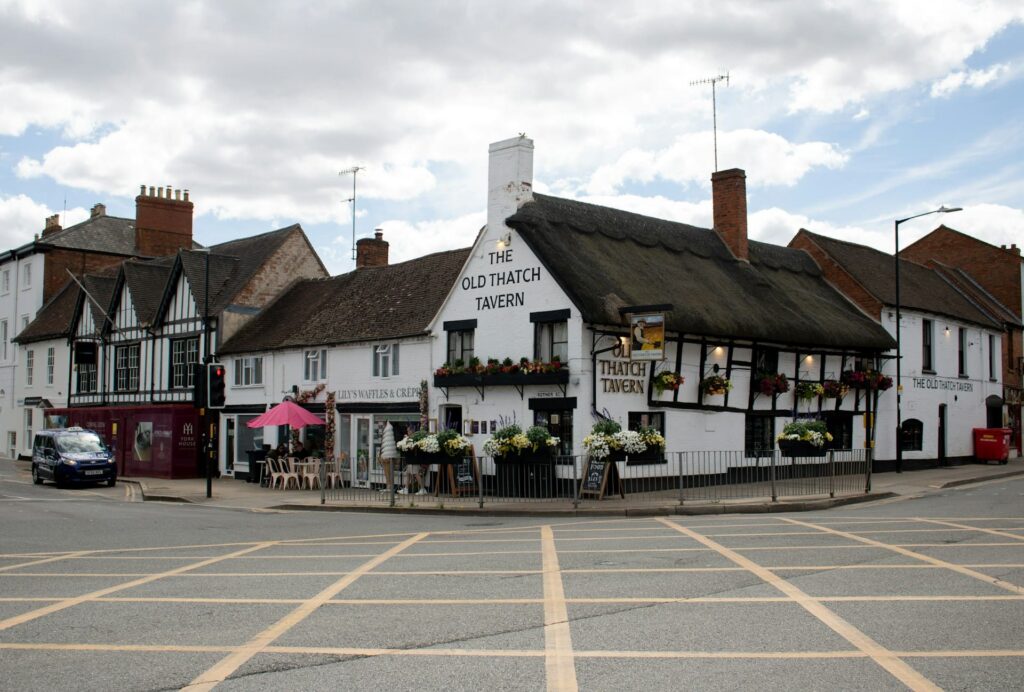
Stepping into a local tavern feels like entering a giant living room shared by the entire neighbourhood. For centuries, these establishments have anchored British social life, serving as far more than just places to grab a pint:
Community Living Room
Neighbourhood residents view traditional UK pubs as natural extensions of their own homes. These spaces bridge social divides, welcoming everyone from CEOs to construction workers to sit side-by-side.
People gather here to celebrate birthdays, mourn losses, or simply decompress after a long day at work. This unique environment fosters a sense of belonging that modern coffee shops and restaurants rarely replicate.
Living Historical Monuments
History breathes through the timber beams and stone walls of these buildings. Many properties have stood for centuries, surviving wars, plagues, and monarchs. They preserve local folklore and architectural heritage, acting as physical timelines of their towns.
Patrons connect directly with generations of the past just by sitting in the same booths and sharing stories.
Home of British Leisure
Distinctive cultural pastimes thrive exclusively within these walls. Pub quizzes test local wits every week, while league nights bring fierce but friendly competition over dartboards and pool tables. Live music sessions and Sunday roasts draw families together, cementing the venue as the ultimate hub for weekend relaxation.
Architectural Sanctuary
The physical layout deliberately encourages human interaction. Low ceilings, roaring fireplaces, and cosy snugs create an intimate atmosphere that forces people to disconnect from screens and engage in real conversation. This comforting design provides a reliable sanctuary from the frantic pace of modern life, keeping British heritage alive one conversation at a time.
Yet, this deep cultural reverence no longer guarantees survival. The very existence of these historic gathering spaces hangs in the balance as modern economic realities clash with long-standing heritage.
To understand how such a resilient institution found itself in jeopardy, we must examine the specific pressures as to why are UK pubs struggling, leading to continuous decline.
12 Reasons Why Are UK Pubs Struggling

Behind the historic facades, British publicans face an uphill battle to keep their lights on. Multiple modern pressures are converging at once to push these cherished institutions to the brink of collapse.
Below, we’ll look into the 12 reasons pubs are closing in the UK:
1. Changing Consumer Habits
Consumer preferences are now evolving towards the comfort of home, and the allure of online entertainment has led to a decline in pub attendance. The ability to enjoy drinks and socialise at home, facilitated by advancements in technology, has drawn people away from traditional pub settings.
2. Economic Factors
Economic uncertainty, rising living costs and reduced disposable income can affect how often people visit pubs and how much they spend when they do. As household budgets come under pressure, customers may reduce non-essential spending, visit less frequently or opt for cheaper choices.
Pubs are also facing rising costs of their own. Recent National Insurance increases have added around £19,000 a year to the wage bill of an average pub, placing further pressure on already tight margins.
With customers spending less while employment and operating costs increase, pubs face a difficult balancing act between keeping prices affordable and remaining financially viable.
3. Smoking Ban Impact
The 2007 indoor smoking ban aimed at promoting public health inadvertently affected pub attendance, particularly among those who enjoyed the social aspect of smoking in pubs. The ban triggered a decline in patronage, as individuals sought alternatives or chose to stay home.
4. Rising Operational Costs
The operational costs associated with running a pub, including rent, utilities, and staff wages, have risen steadily. Smaller establishments, in particular, find it challenging to remain financially viable in the face of escalating operational expenses.
5. Intense Competition
The UK pub crisis includes stiff competition not only from each other but also from a diverse range of venues offering food and drink options. Cafes, restaurants, and wine bars provide alternative socialising options, impacting traditional pubs’ ability to attract customers.
6. Health and Wellness Trends
Growing awareness of health and wellness has led some individuals, particularly in the younger demographic, to reduce alcohol consumption or seek healthier alternatives. This trend has influenced the type of offerings that pubs must provide to remain attractive.
7. Online Shopping and Home Entertainment
The rise of online shopping and the plethora of home entertainment options has resulted in a cultural shift, encouraging people to spend more time at home. This behaviour has become one of the main reasons why UK pubs are struggling, forcing them to find new ways to entice patrons away from the comfort of their homes.
8. Craft Beer and Microbreweries
While the craft beer movement has injected vitality into the beer industry, it has also intensified rivalry among pubs. Consumers now seek diverse beer experiences, often gravitating towards microbreweries or speciality beer bars, diverting attention and revenue from traditional pubs.
9. Regulatory Challenges
Pubs must learn various rules, including licensing laws and guidelines related to alcohol sales. Compliance with these regulations can be intricate and costly, particularly for smaller establishments that may lack the resources to meet stringent standards.
10. Changing Demographics
Different demographics, such as an ageing population or changes in the local community composition, can influence the demand for pub services. Pubs must align their offerings with the preferences of their target age group to remain relevant.
11. Impact of COVID-19
The COVID-19 pandemic, which unfolded in 2020, dealt a severe blow to an already struggling industry. Lockdown measures forced pubs to close temporarily, exacerbating financial challenges. While many were able to resume business later in the year, the uncertainty surrounding the pandemic fueled fears of permanent closures.
However, the enduring importance of pubs in British culture, particularly those focusing on food, helped mitigate some closures. The resilience of the industry was further evidenced by the popularity of trends in craft beer, with new drink assortments and microbreweries catering to evolving tastes.
12. The Corporate Takeover of Pubs
Large property companies and corporate pub chains increasingly buy out independent family-run venues. These massive “pubcos” frequently tie tenants to restrictive contracts, forcing publicans to purchase beer exclusively from the parent company at highly inflated prices.
Aggressive corporate pricing squeezing profit margins makes independent financial survival nearly impossible.
How to Save a Struggling Pub: Practical Strategies for Survival
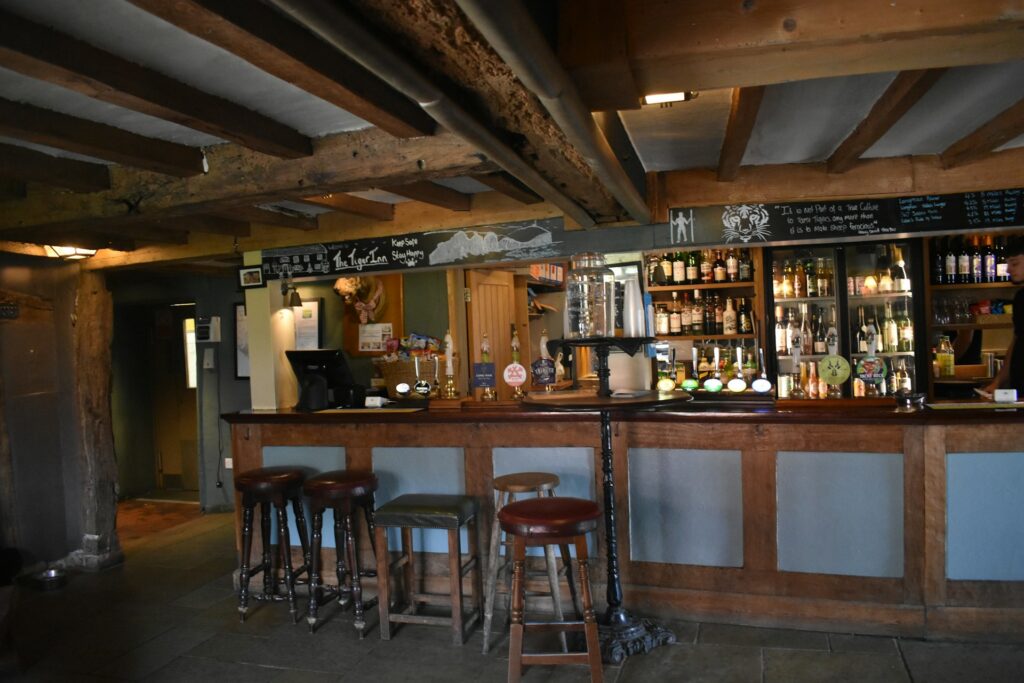
Successful publicans are finding new revenue streams, strengthening local relationships and using digital tools to keep their venues visible. Operators can adopt these pub survival strategies in the UK and turn a struggling venue into a more resilient business:
Diversify Beyond Wet-Led Sales
Pubs that rely almost entirely on beer and other drinks face greater exposure when customers cut back on alcohol or visit less frequently. Food, pub quizzes, live music, sports nights, Sunday roasts and other experiences can create additional reasons to visit and generate revenue throughout the week.
This approach also helps answer why are UK pubs struggling: dependence on one income stream leaves little room to absorb changing customer habits or rising costs.
Lean Into Local, Community-Led Marketing
The strongest hospitality brands think globally while acting locally. A pub can celebrate the character of its neighbourhood by showcasing local musicians, hosting community events and naming the breweries, food producers and suppliers behind its offer.
A venue that becomes a genuine cultural anchor gives residents a reason to return beyond price or convenience.
Build a Consistent, Authentic Social Media Presence
Social media works best when it feels like an extension of the pub rather than another advertising channel. Successful venues regularly share customer photographs, tag local customers, introduce staff members and promote what’s happening that week. Regular, genuine content helps build a community of followers who already know what the pub offers and feel connected to the people behind it.
Take Content Marketing and Local SEO Seriously
Digital discoverability has become essential for pubs competing for local customers. One pub client used 50 targeted content pieces over six weeks to double footfall, despite having no previous marketing experience.
An up-to-date Google Business Profile, accurate opening hours and useful local content can help pubs appear when potential customers search for places to eat, drink or socialise nearby.
Track the Numbers, Not Just the Till
A packed Friday night does not automatically mean a pub is profitable. Publicans need a clear picture of stock costs, staffing, utilities, rent and other overheads alongside daily sales.
Knowing genuine profit margins allows owners to identify which products, events and services generate worthwhile returns and where costs need attention.
Build a Genuine Digital Presence Within the Wider Industry
A pub’s online reputation extends beyond its own website and social channels. Industry news sites, supplier directories and trade publications such as The Beer Post can give venues additional visibility among brewers, suppliers and potential business partners.
A strong presence across the wider beer industry also signals that a pub is active, credible and open to new opportunities.
Access Available Financial Support
Struggling pubs should investigate financial support before assuming closure represents the only option. Changes to business rates, community funding and specialist revenue-based finance may provide potential routes to manage costs or fund new initiatives.
The Community Ownership Fund, for example, has previously supported community-led efforts to protect valued local assets, although operators should check current eligibility and funding availability before making plans.
None of these strategies guarantees survival individually. Pubs combining diversified revenue, genuine community connection, disciplined financial management and consistent digital visibility, however, are better positioned to weather a difficult trading environment.
In Conclusion
The decline of traditional UK pubs reflects a complex interplay of societal, economic and regulatory factors. Changing drinking habits, reduced disposable income, rising operating costs, tighter regulations and the lasting effects of COVID-19 have combined to create a difficult trading environment.
A clearer picture of why are UK pubs struggling requires looking at how these pressures affect both customer demand and the cost of running a viable venue.
The outlook, however, is not entirely bleak. Pubs that understand their local communities, adapt their offer and manage their finances carefully can still find growth opportunities.
Cultural authenticity remains valuable, but modern business practices now matter just as much. Pubs that combine diversified revenue, genuine community marketing and real digital visibility are the ones most likely to still be pulling pints in five years.
The Beer Post helps pubs, breweries and supply chain businesses across the UK build the digital visibility that modern survival demands through news coverage, sponsored features and direct connections with industry decision-makers.
Explore what The Beer Post can do for the pub here.