
A first-time visitor walks into a British pub, finds an empty table, settles in, and waits for someone to take the order. Five minutes pass. Then ten. Nobody comes.
Meanwhile, a few regulars at the bar exchange knowing glances, recognising the classic beginner’s mistake. Moments like this capture the charm of British pub etiquette. Most of the rules are never explained because they rarely need to be.
As the Brewers and Licensed Retailers Association observed in its 1996 publication Passport to the Pub, experienced pub-goers follow these customs without even thinking about them. Newcomers, on the other hand, can accidentally break them without anyone clearly explaining why.
Learning pub etiquette in the UK is less about avoiding awkward moments and more about knowing how what Brits call a “local” works as a shared social space. In this guide, we’ll highlight 20 unwritten rules, common mistakes, and simple habits that help keep British pub culture alive.
Pub Etiquette in the UK: What Makes a Pub a Pub?
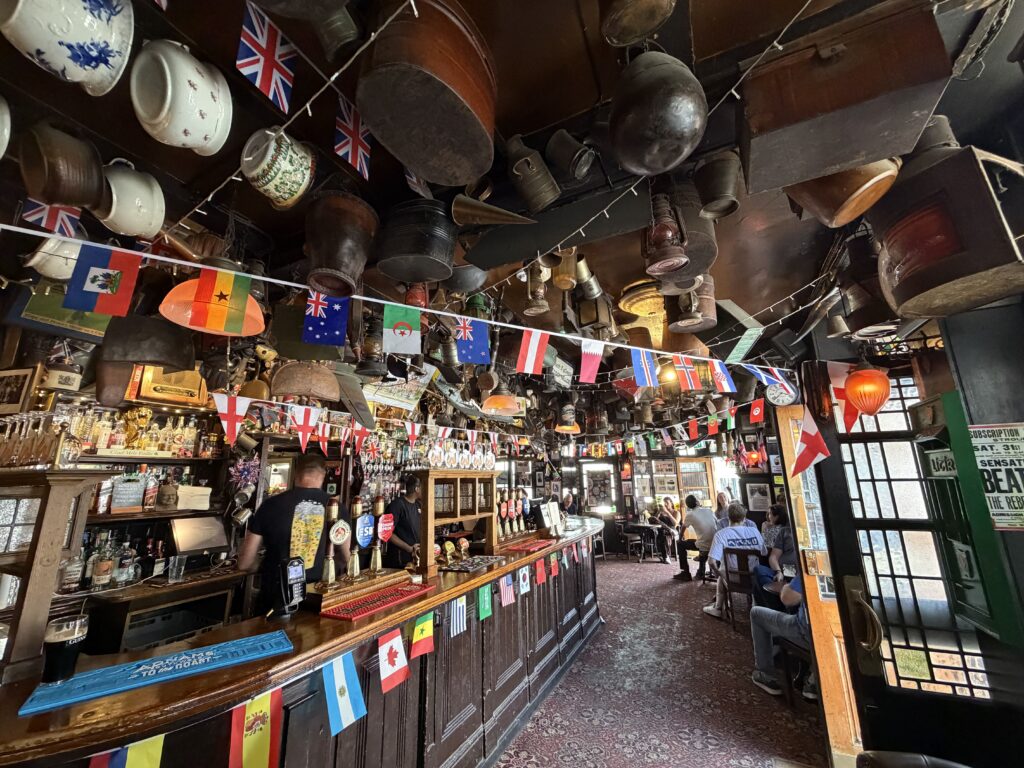
The word “pub” comes from the term “public house,” which emerged in the late 17th century to describe a licensed institution open to everyone, regardless of class or background.
Traditionally, British drinking establishments fall into three main categories:
- Pub – The local gathering place at the heart of the community.
- Inn – A pub that also provides accommodation for travellers.
- Tavern – This is historically a more upmarket premise, often associated with food, wine, and a wider choice of drinks.
Understanding pub etiquette in the UK starts here. A British pub is not just a commercial venue, but rather an extension of a living room. It acts as a community hub where familiar faces gather, conversations flow naturally, and newcomers quickly find themselves part of the scene.
It is a place where friends catch up after work, neighbours swap local news, quiz teams compete for bragging rights, and football supporters celebrate or commiserate together.
Walking into a proper one means stepping into a living, breathing piece of national culture, and that deserves a little respect. People visit for company just as much as they do for a drink.
British Pub vs. Regular Bar
A British pub and a regular bar both serve drinks, welcome friends, and offer a place to unwind. Spend a little time in each, however, and the differences become obvious.
The following contrasts make British pub etiquette much easier to grasp and help visitors settle in like they have been coming for years:
Ordering
One of the biggest differences appears the moment someone wants a drink. Table service is common in many bars, but that is not how things work in a traditional pub.
Instead, customers head straight to the bar, place their order, and carry their drinks back themselves. Sitting at a table and waiting for service usually leads to a long wait because nobody is coming.
Learning how to order at a British pub is one of the quickest ways to avoid looking like a first-timer.
Atmosphere
Many bars build their identity around a stylish concept, trendy décor, or a lively nightlife scene. Pubs grow naturally alongside the communities they serve. Worn carpets, weathered furniture, and the occasional sticky beer mat add character rather than detract from it.
More importantly, conversation takes centre stage, so background music usually stays low enough that people can chat comfortably rather than shouting across the table.
Relationship with the landlord
Bar staff often rotate between shifts and venues. A traditional pub landlord usually lives above the premises, greets regulars by name, and remembers exactly what they like to drink.
Personal connection helps create the welcoming atmosphere that keeps people coming back.
Closing time
Many bars around the world stay open well into the early hours. British pubs have long followed licensed opening hours, making “last orders” part of the experience. The call signals that final drinks should be ordered before the bar closes, and regulars instinctively know the routine.
Dogs
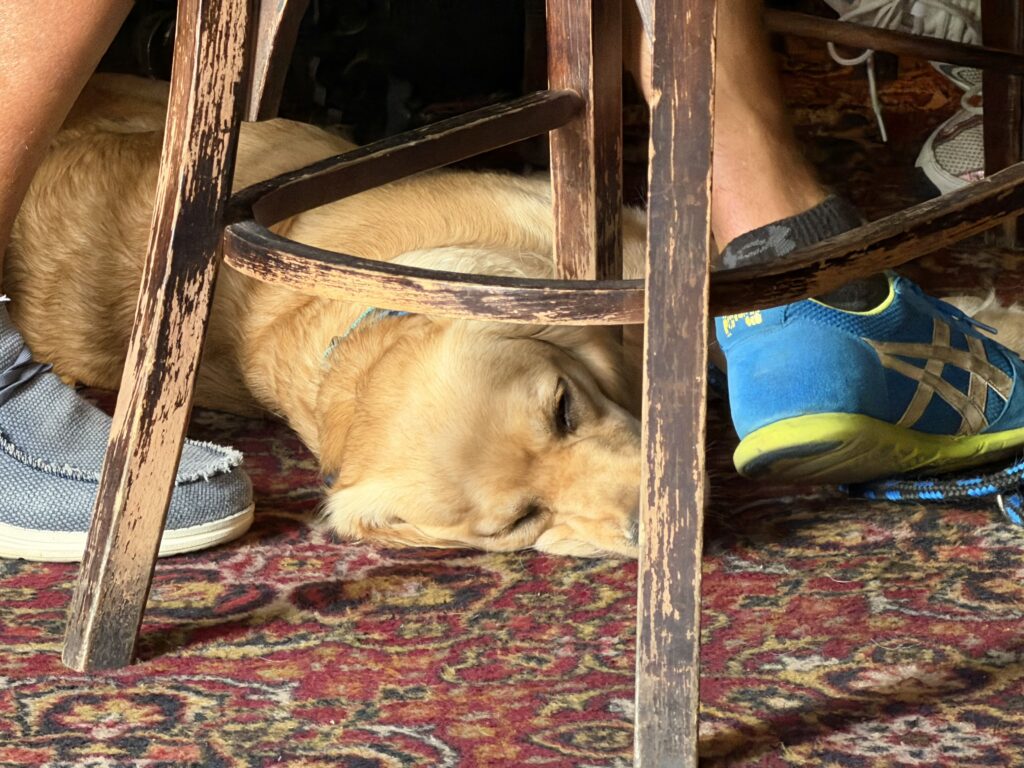
A sleeping dog stretched out near the fireplace or tucked beneath a table feels perfectly at home in many British pubs. Plenty of landlords happily welcome well-behaved canine visitors, with treats and water in the corner. Regulars often greet them almost as warmly as their owners. Most bars rarely allow dogs inside.
Overall, a bar gives people a drink. A pub, on the other hand, gives them a place to belong, even if only for the evening.
British Pub Etiquette: 20 Rules Nobody Wrote Down But Everyone Knows
Every country has its unwritten social rules, and pubs have collected quite a few over the centuries. Nobody hands them out at the door, yet regulars follow them almost instinctively.
1. Always Order at the Bar
This is the golden rule. Sitting at a table and waiting for someone to take an order is the mistake first-time visitors make more than any other. Traditional British pubs expect customers to walk to the bar, place their order, pay, and carry their drinks back themselves.
Plenty of modern food-led pubs now offer table service, but they will usually make that clear with signs or staff instructions. If nobody tells customers to stay seated, heading to the bar is the right move.
Simple as it sounds, this habit sits at the heart of British pub etiquette and experience.
2. Do Not Queue at the Bar (But Do Wait Your Turn)
This rule puzzles plenty of visitors because it looks like organised chaos. Nobody forms a neat line. Instead, customers gather along the bar, find a spot, and wait patiently until the bartender makes eye contact.
As Gillian Hough of the Campaign for Real Ale put it, “Just respect your fellow pub-goers and bar staff, it’s quite simple.” She also noted that “sometimes staff magically know who arrived at a busy bar first, but often it requires honesty from you, the customer, [to] be patient and wait your turn.”
Honesty keeps everything moving.
3. Do Not Wave, Click, or Shout at the Bar Staff
Patience goes a long way in a British pub. Waving cash in the air, clicking fingers, banging the bar, or shouting across the room comes across as rude.
Standing calmly near the bar, making eye contact, and waiting politely almost always produces quicker results. Bar staff notice far more than many customers realise, and courteous behaviour tends to be rewarded.
4. Have Your Order Ready
Few things slow a busy pub more than reaching the front of the bar and only then deciding what to drink.
Take a moment to scan the pumps, taps, or drinks board while waiting. Knowing the order before the bartender arrives keeps the queue moving and shows consideration for everyone standing behind. Regulars appreciate efficiency, especially during peak hours.
5. Don’t Hog the Bar
Once served, customers should step aside and give others room to order. Standing directly in front of the pumps while chatting with friends can block the bar, making it harder for staff to serve the next person.
Moving to the side or finding a nearby spot keeps the area flowing easily and gives everyone a fair chance to order.
6. Buying Rounds at the Pub (Know Your Turn)
Round-buying is one of Britain’s great social traditions. One person buys drinks for everyone in the group, then another takes the next round, and so the pattern continues.
Disappearing just before a turn comes around rarely goes unnoticed. Friends might laugh about it, but they will almost certainly remember it. Buying rounds creates a shared sense of generosity and helps groups relax without constantly calculating individual bills.
More so, someone planning to leave early should mention it at the beginning or offer to buy an early round. Good communication matters as much as buying the drinks themselves.
7. Keep Your Coppers to a Minimum (When Paying Cash)
Cash payments still appear in many pubs, although card payments have become increasingly common. Dumping a massive pile of coppers on the bar during a rush is a quick way to frustrate the staff.
Having notes, larger coins, or a bank card ready speeds things up and keeps the bar going. Good British pub etiquette comes down to making life easier for everyone.
8. Respect the Quiet Regulars
Not every customer visits the pub to meet new people. Some simply want a peaceful pint, today’s newspaper, and a little quiet time after a long day.
A proper pub creates space for both lively conversation and comfortable silence. Friendly chat is always welcome when invited, but someone deeply absorbed in a book or enjoying a quiet corner usually prefers to be left alone.
Reading those social cues is part of the British pub culture.
9. Tipping Is Appreciated, Not Expected
British tipping culture works differently from American customs. Bartenders do not expect a tip every time they pour a pint, and nobody judges customers who simply pay the bill.
People who wish to leave something extra often use a traditional phrase: “And one for yourself.” Instead of pouring themselves a drink on the spot, the bartender usually adds the value of one drink to the bill or tip jar. It is a small gesture that acknowledges good service without making tipping feel obligatory.
10. Last Orders Is Not Optional
Every regular recognises the familiar signal that closing time is approaching. In many pubs, instead of shouting “Last orders!”, the staff will ring a bell to let everyone know that it is time to order their final drink.
The meaning is the same: customers should place their last order before the bar closes because no more drinks will be served afterwards. Later comes the equally familiar call of “Time”, signalling that service has ended.
Lingering for hours after closing creates extra work for staff and delays everyone’s journey home. Finishing up promptly respects both the licence and the people running the pub.
When the bell rings, it is a clear signal to finish your evening and make your way out without unnecessary delay.
11. Split the Crisps Bag
This tradition may seem surprisingly specific, yet it appears in pubs across Britain.
Instead of passing a sealed bag of crisps around the table, many regulars split it open along the seam and lay it flat in the centre so everyone can help themselves. Nobody insists on it, but plenty of people notice when it happens, and when it does not.
Tiny customs like this capture the communal spirit behind British pub etiquette.
12. Respect the Dog
Many British pubs proudly have a resident dog. Some greet customers at the door, while others spend the afternoon asleep beside the fireplace.
A quick pat and a cheerful “good boy” or “good girl” usually earn approval. Interrupting a sleeping pub dog, teasing it, or encouraging unwanted attention does not.
Around many locals, the dog is almost as much a fixture as the bar itself. Likewise, when bringing beloved dogs into pubs, always keep them on a lead, and, as much as possible, do not let them on the couch or booths.
13. Keep the Volume Reasonable
British pubs thrive on conversation, which means dozens of discussions often happen at once. Speaking loudly enough for companions to hear is perfectly normal, but speaking loudly enough for the entire building to hear is not.
Context matters. Pay attention to the room’s general mood. Football match day naturally brings cheers and raised voices, while a quiet Sunday afternoon in a village pub demands a calmer tone.
Phone calls deserve similar consideration, and many regulars step outside if a conversation is likely to last more than a minute.
14. Do Not Rearrange the Furniture Without Good Reason
Large groups sometimes need extra chairs or another table, but changing the layout should never happen without asking first.
Many pubs arrange furniture carefully to maintain walkways, accommodate staff carrying trays, and preserve the character of the room. Returning everything to its original place before leaving is a thoughtful finishing touch.
15. Engage With the Pub Quiz Honestly (Don’t Cheat)
Pub quizzes have entertained communities for decades, and their success depends on trust.
Looking up answers on a mobile phone might seem tempting, but regulars view it as genuine cheating. Few quiz hosts need strict policing because most teams respect the honour system. Winning fairly feels far better than finding answers online.
16. The Bar Is Also a Conversation Space
Standing at the bar instead of sitting at a table is completely normal in a British pub. Many people even prefer it.
The bar serves drinks, but as mentioned, it also brings people together. Conversations often begin naturally between strangers discussing the weather, football, local events, or the beer currently on tap. Visitors should not feel surprised if someone nearby starts chatting.
A friendly reply is often all it takes to become part of the room for the rest of the evening.
17. Bring Arguments Outside the Pub
Disagreements happen, but a pub is not the place to turn one into tonight’s main event. A heated argument can quickly spoil the vibe for everyone else trying to enjoy a quiet pint or a catch-up with friends.
If tempers begin to rise, the polite move is to step outside and continue the conversation away from the bar. Handling issues calmly keeps the bar staff on your side and saves everyone else from unnecessary drama.
A good pub feels welcoming because everyone plays a part in keeping it that way.
18. Do Not Bring Food and Drinks From Outside the Pub
A pub makes its living by serving food and drink, so turning up with a takeaway coffee, a supermarket sandwich, or a bag of cans is considered poor form. It also puts staff in an awkward position if they have to ask someone to put those items away.
People who fancy a snack or another drink can simply order from the pub’s own menu or bar. Supporting the establishment helps keep independent pubs thriving and shows respect for the business opening its doors to the community.
19. Say Hello to an Older Regular
British pubs have always brought generations together, and older regulars often form part of the character that makes a local feel special. A friendly greeting or a quick chat can brighten someone’s day more than most people realise.
If an older person is sitting alone and their glass is empty, offering to include them in the next round is a thoughtful gesture if the moment feels natural. They may politely decline, or they may welcome the company, but that’s fine.
Simple acts of kindness have long been part of British pub etiquette, and looking out for others is every bit as traditional as buying a round.
20. Return Empty Glasses When You Can
Customers heading back to the bar can do staff a small favour by taking their empty glasses along. It saves the bar team a trip and helps keep tables clear for other guests.
Nobody expects customers to collect every glass in the pub, but returning their own empties when convenient is a simple courtesy that regulars tend to appreciate.
British Pub Etiquette: The Rules are Simple, and That’s the Point
British pub etiquette is not a complicated code designed to catch newcomers off guard. It is a collection of everyday habits that have developed naturally over centuries, helping people share the same space comfortably and respectfully.
These traditions and customs exist because the pub belongs to everyone. The first-time visitor, the lifelong regular, the tourist exploring Britain, the supply chain professional stopping in after a trade show, and the young adult enjoying a first proper night out all become part of the same community for a few hours.
Got another rule to add? We’re always happy to grow the list! If there’s a bit of British pub etiquette you think we’ve missed, send us a message or drop a comment……because there’s always room for one more pub rule (and perhaps one more pint!).
The Beer Post covers British pub culture, the craft beer industry, and the businesses behind them every day. Stay connected with the latest industry news, opportunities, and conversations through The Beer Post.