
Modern craft brewing traces its roots directly to the United States, a legacy shared by very few nations. What began as a rebellion against mass-produced beer grew into a diverse brewing culture that continues to influence how craft beer is known to the world.
Today, the craft brewery industry in the United States combines deep brewing traditions with experimentation, local identity, and a strong appetite for new flavours. Its influence reaches well beyond taprooms, carving out opportunities for pubs, breweries, distributors, equipment suppliers, and other businesses across the beer supply chain.
For companies looking to enter or grow in the US market, diving deep into what makes this industry distinctive can offer valuable perspective. In this article, we’ll explore the history of the US craft beer industry, the factors that set it apart, and its economic impact on the country as a whole.
Quick History of Craft Beer in America
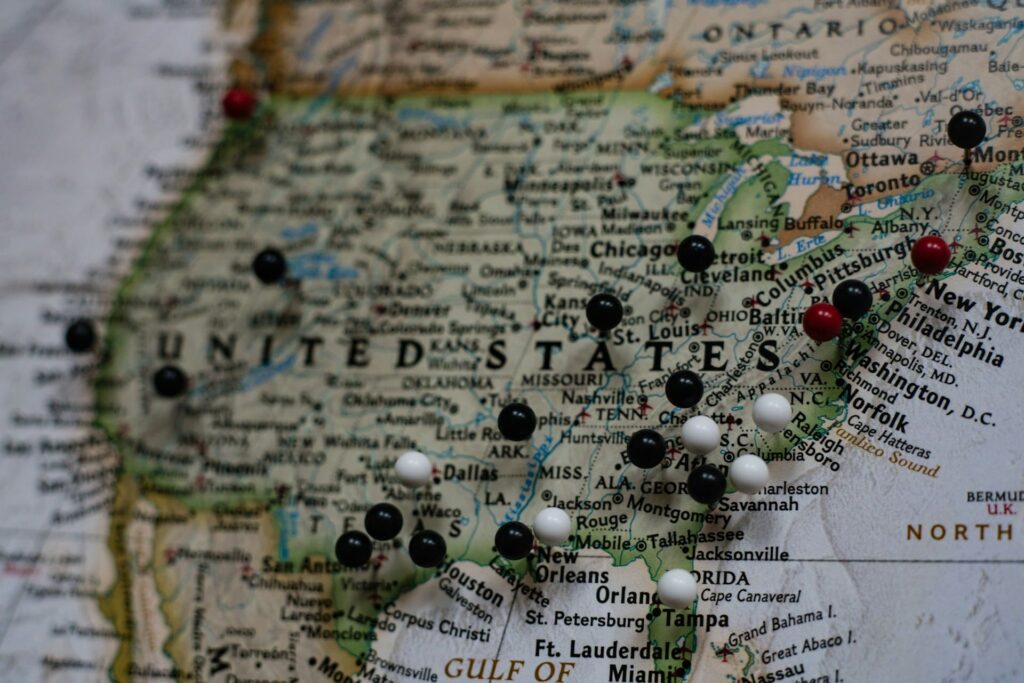
The story of American craft beer is one of revival, experimentation, and persistence. Today’s American craft brewery culture grew from decades of change that moulded how people brewed, sold, and enjoyed beer.
Prohibition Hangover
Prohibition (1920–1933) devastated America’s brewing sector. Thousands of small breweries closed, leaving a handful of large industrial lager producers to dominate the market for decades.
It created a beer culture centred on consistency and scale rather than variety. It also explains why the later craft revival felt so radical, as small brewers were rebuilding a tradition that had nearly disappeared.
Fritz Maytag and the Birth of Modern Craft Beer
In 1965, Fritz Maytag acquired the struggling Anchor Brewing Company in San Francisco. He invested in traditional brewing techniques and distinctive beer styles instead of chasing mass-market production.
Anchor Steam became the brewery’s signature beer. It is widely regarded as one of the first modern craft breweries in the country.
1970s and 1980s Homebrewing Wave
A new generation of beer enthusiasts began experimenting at home, reviving traditional styles and prioritising quality, flavour, and authenticity.
Federal legislation legalised homebrewing in 1978, giving it room to grow and helping fuel the first wave of small commercial breweries. Those homebrewers became early founders, employees, and advocates who helped build the craft brewery industry in the United States.
Craft breweries grew from a small group of pioneers into one of the world’s largest and most diverse craft beer markets.
How the Craft Brewery Industry in the United States Is Different From Others
The American beer market, at present, consists of thousands of local communities connected by a shared brewing tradition. That scale, variety, and willingness to experiment give the US craft beer industry a character that few other markets can match.
Sheer Scale and Density
The numbers alone reveal the size of the American scene. The Brewers Association recorded 9,578 operating craft breweries in 2025.
That scale dwarfs many other major craft markets. For pubs, suppliers, and prospective market entrants, such density creates a huge customer base but also intense competition.
Hop-Forward, Bold Flavour Culture
American craft beer built much of its global identity around bold, hop-heavy IPAs, particularly through the brewing practice that developed in the Pacific Northwest.
Brewers pushed bitterness, aroma, alcohol content, and later hop-forward experimentation to new extremes. The style spread well beyond American borders, inspiring brewers in the UK, Australia, China, and other markets to develop their own interpretations.
Few national craft scenes connect so strongly with one defining beer style.
Deep Regional Identity
American craft beer does not follow a single national formula. Vermont leads the country in craft breweries per capita, at 14.6 breweries per 100,000 adults.
Meanwhile, the Pacific Northwest, Colorado, and Vermont have developed distinctive brewing identities, supported by brewery clusters and beer tourism routes. This regional variety gives the craft brewery industry in the United States an unusual depth.
A pub or supplier can encounter very different consumer tastes and brewery cultures from one state to another.
A Market Built on Independence and Ownership Culture
Independence carries particular weight in American craft brewing. The Brewers Association defines a craft brewer around three core requirements:
- Small production
- Independent ownership
- Qualifying brewing operation
Its definition limits outside ownership or control by a non-craft alcohol company to less than 25%. A formal framework that reinforces a culture where independent ownership, experimentation, and flavour innovation remain closely tied to the craft identity.
A Longer, More Mature Consumer Education Curve
American drinkers have had decades to explore craft beer. The journey began around pioneers in the 1960s, and expanded through the IPA trend in the 2000s. Today, it continues through hazy IPAs, sours, pastry stouts, and other experimental styles.
Long exposure has produced consumers who often understand beer styles, ingredients, brewing techniques, and flavour profiles at a sophisticated level. Incoming businesses will find that consumer sophistication directly inflates quality requirements.
A Genuinely Global Influence
American craft brewing has also exported more than beer styles. Its techniques, taproom concepts, experimentation, and independent business model have influenced brewing communities around the world.
American expatriates helped introduce these ideas directly into China’s early craft scene, including the founders behind Great Leap Brewing in Beijing and Boxing Cat Brewery in Shanghai.
The result is a global craft practice that often carries an unmistakably American influence, even when local brewers give those ideas their own identity.
Craft Beer Economic Impact in the US
The value of craft beer extends well beyond what customers spend at the bar. The craft brewery industry in the United States connects manufacturing, agriculture, hospitality, tourism, and local entrepreneurship in ways that reach communities in various parts of the country.
Genuine Economic Engine
Craft beer continues to represent a substantial part of the US beer economy, even during a challenging market. Brewers Association report revealed that total US beer production and imports fell 5.7% in 2025, while craft brewer volume sales declined 4%.
The smaller decline lifted craft brewers’ share of the US beer market by volume to 13.4%. Retail dollar sales fell 2.8% to $28 billion, representing 24.8% of the $113 billion US beer market. Price increases and stronger on-site sales helped keep the dollar decline below the volume decline.
The impact extends beyond brewery revenues. Craft beer supports employment within brewing, hospitality, agriculture, transportation, equipment supply, distribution, and other services.
Over three decades, the sector has become a notable American small-business success story.
Supporting Local Agriculture and Supply Chains
Craft breweries often build relationships with nearby farms for hops, grain, fruit, herbs, and other ingredients. Those partnerships create additional revenue for agricultural producers while giving brewers access to distinctive local ingredients.
Rural farms can benefit from these direct relationships, while breweries can turn regional produce into beers that reflect their surroundings. The model connects agricultural communities with urban taprooms and strengthens the wider supply chain.
Community Building at a National Scale
A neighbourhood brewery can become much more than a place to buy beer. Taprooms often function as gathering spaces for families, friends, community groups, and local events.
More than 9,500 operate across the country, giving craft breweries in the United States an unusually broad geographic reach. Many are in small towns and rural communities where other social gathering spaces may be limited. Thus, accessibility makes breweries valuable pieces of local life.
Driving Beer Tourism
Beer has also become a reason to travel. Regions such as the Pacific Northwest, Colorado, and Vermont offer brewery clusters and beer trails that encourage visitors to explore several producers during one trip.
Travellers spend money on accommodation, restaurants, transportation, attractions, and retail alongside their brewery visits. Regional tourism boards and hospitality businesses therefore benefit from a craft beer economy that extends well beyond the taproom.
Leading on Sustainability
A lot of craft brewers have adopted practical approaches to reducing waste, conserving water, and limiting energy use. Some also partner with organic or regenerative farms and source ingredients closer to home.
Spent grain can find uses in animal feed or food products, while breweries increasingly examine packaging, water consumption, and energy efficiency. These efforts contribute ideas and practices that can influence sustainability across brewing and hospitality.
Training Ground for Entrepreneurship
The craft beer boom has also created a generation of entrepreneurs experienced in manufacturing, hospitality, branding, marketing, and direct-to-consumer retail. Owners must balance production costs with customer experience while building recognisable brands in competitive local markets.
Those skills can help entrepreneurs launch or influence businesses in different areas like craft spirits, speciality coffee, food production, and other consumer industries. A brewery can therefore serve as both a business and a practical classroom for modern American entrepreneurship.
Craft Brewery Industry in the United States is A Legacy Still Being Written
Few American beer stories have travelled as far as the craft boom. Fritz Maytag’s acquisition of Anchor Brewing in 1965 helped spark a brewing revival that has grown into a $28.4 billion industry with more than 9,500 breweries today.
The craft brewery industry in the United States has transformed the domestic beer market and changed how the world thinks about brewing, flavour, and beer culture. Its influence reaches well beyond American borders, influencing brewing styles, independent business models, and other emerging craft beer markets.
Pubs, breweries, and supply chain companies can learn valuable lessons from the US market’s scale, diversity, and willingness to experiment as other craft beer markets continue to develop.
Looking to tap into the world of breweries and connect with key decision-makers in the US craft beer scene? The Beer Post is a trusted source for industry news, insights, and connections across the US and beyond.
Get in touch with The Beer Post today to get started!