
Independent breweries have had a genuinely hard few years, and anyone saying otherwise is not paying attention. The Brewers Association reports that overall U.S. beer production and imports fell 5.7% in 2025, while craft brewer volume sales declined 4%.
The UK picture remains tough, too. SIBA’s latest Brewery Tracker recorded a net loss of 16 breweries between January and June 2026, compared with 137 closures in 2025.
SIBA Chief Executive Andy Slee says, “Brewing businesses which have managed to weather the storm are seeing strong demand for independent beer, but profitability is still a concern with lack of access to pubs, high taxation and high production costs hitting brewers.”
Yet this is not a eulogy for craft beer. Breweries that have adapted are finding growth in specific segments and business models.
This article takes a look at the craft brewery opportunities in 2026, the areas worth pursuing, the risks to consider, and practical ways independent breweries can build a more resilient path to growth.
Craft Brewery Challenges Every Brewer Needs to Understand in 2026
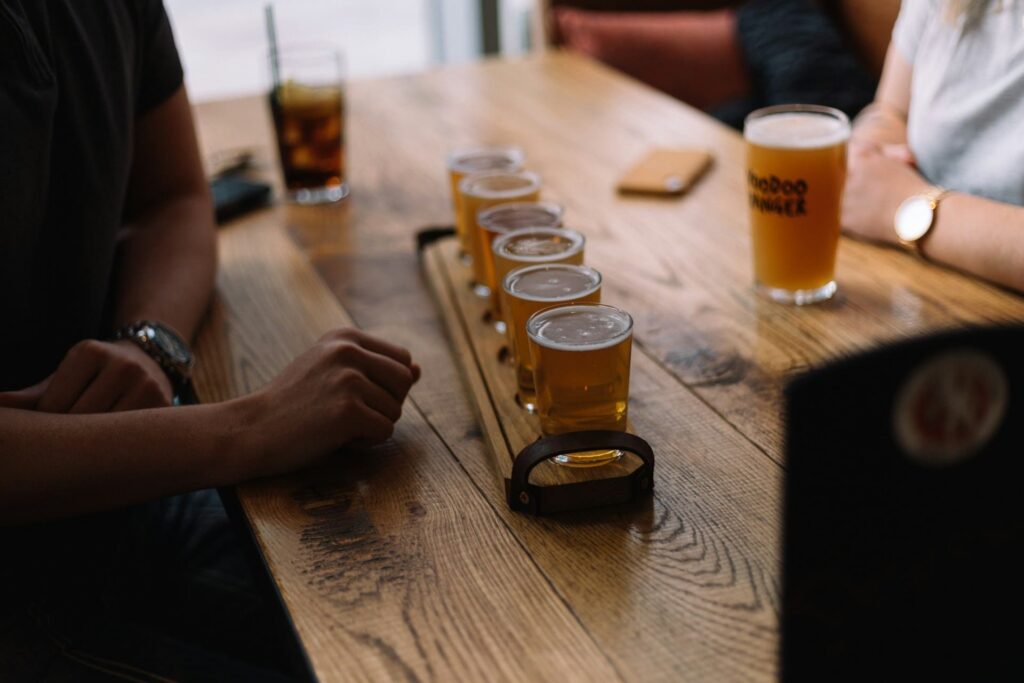
The pressure on independent breweries is real. Margins are tighter, consumers are more selective, and routes to market have become harder to predict.
The craft beer market in 2026 demands a more disciplined approach to production, pricing, distribution and investment.
Volume Decline and Evolving Consumer Habits
Beer drinkers are not necessarily abandoning beer, but they are changing how, when and how much they drink.
IWSR reported that global sales of premium-and-above beer fell 2% in the first half of 2025, while total beverage alcohol volumes across 20 leading markets declined 1%. The US, China and Brazil faced particularly strong economic headwinds and weaker consumer spending.
The longer-term premiumisation story also needs some qualification. “Since 2019, there has been a sustained premiumisation trend in beer, with premium and super-premium tiers gaining, showing a long-term shift towards higher-priced quality offerings,” explains Marten Lodewijks, Managing Director and President at IWSR.
Yet premium-and-above beer peaked in H1 2024, as muted confidence, poor weather and RTD competition weighed on major markets. No-alcohol beer has bucked the trend, highlighting the importance of knowing changing drinking occasions rather than simply chasing volume.
Rising Costs Squeezing Margins
Labour costs have risen sharply as breweries compete for skilled staff, including people who left hospitality during the pandemic. Energy, ingredients, packaging and logistics add further pressure.
The result is a narrower margin for error. Breweries that are weathering this period are making deliberate decisions about where to reduce costs and where investment can generate a measurable return.
Retailer Rationalisation
Retailers increasingly favour products that sell quickly and consistently. That can mean fewer craft SKUs, less shelf space and tougher listing decisions for smaller brands.
Retail offers one delivery point and potentially substantial volume, but retailers control pricing and often operate on lengthy payment terms that can strain brewery cash flow.
Supermarkets also hold extensive category and shopper data, giving them an information advantage when negotiating with smaller suppliers.
A Maturing, Saturated Market
The slowdown in brewery openings signals a more mature and competitive sector. Brewers can no longer rely on novelty alone. Standing out requires distinctive beer, a clear brand identity, a loyal audience and a practical route to reach that audience.
For many breweries, the question is no longer simply how to make better beer, but how to make the business more difficult to replace.
Tariffs and Supply Chain Pressure
Supply chains have added another layer of uncertainty. The BBPA has highlighted inflationary pressures and rising regulatory and packaging costs facing UK brewers, while US tariff measures have also created direct risks for British beer exports and imported inputs.
The days of relative calm are behind. Brewers who have in-depth knowledge of these pressures clearly are better positioned to respond than those waiting for the old market to return.
That is also the starting point for identifying the craft brewery opportunities that can support sustainable growth.
6 Trends Where the Real Craft Brewery Opportunities Are Right Now
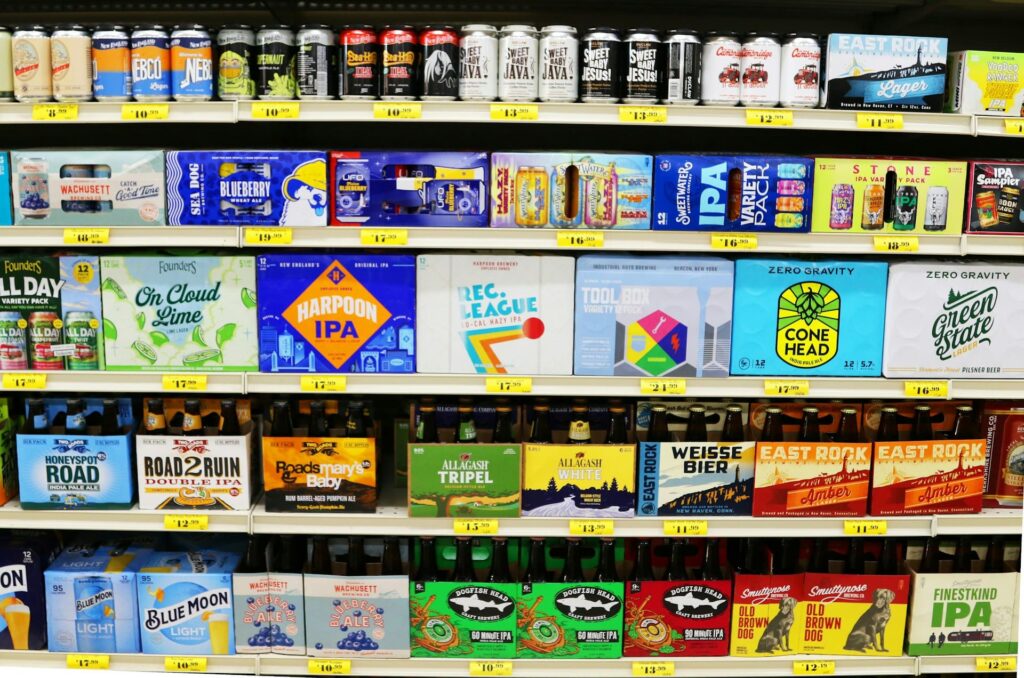
The strongest opportunities are not necessarily the biggest categories. The more useful question is where consumer demand, healthy margins and a defensible brand position overlap. These independent brewery trends in the UK point towards several areas worth serious consideration:
1. Low-ABV Beer and Non-Alcoholic Beer Opportunity
Low- and no-alcohol beer has moved well beyond a niche proposition. The London Beer Competition reports that 78% of Gen Z consumers in the UK are cutting back on alcohol, while 25% practise “zebra striping” by alternating alcoholic and non-alcoholic drinks.
UK duty reform also favours beer at 3.5% ABV or below, creating a useful commercial incentive for brewers. The opportunity goes further than simply producing an alcohol-free lager.
Brewers can develop genuinely distinctive low-ABV pale ales, IPAs and seasonal releases that give consumers flavour without the alcohol.
2. The Taproom and Hospitality Model
A brewery taproom can turn a product business into a hospitality business. Direct sales typically offer stronger economics than wholesale, while food, events, tastings and experiences create additional reasons to visit.
The British pub market offers a useful lesson. InsideHook reported that 29% of UK pub visits were “dry” visits, highlighting demand for social occasions that do not revolve entirely around alcohol.
More importantly, the taproom creates a direct relationship between brewery and customer. That connection can generate repeat visits and loyalty that a supermarket listing rarely delivers.
3. Premium and Experimental Styles
Premiumisation remains one of the more credible routes to value growth in a market where volume is under pressure. Brewers that protect a strong core range while experimenting around it can give consumers reasons to spend more rather than simply drink more.
Grand View Research forecasts significant growth in Europe’s craft beer, noting that Germany accounted for 22.2% of European craft beer revenue in 2025. Meanwhile, Asia Pacific is also expected to grow at the fastest CAGR, at 8.1%, helped by:
- Premium packaging
- Limited editions
- Innovative flavours
- Rising consumer interest in craft products
For smaller breweries, that could mean limited releases, barrel-aged beers, distinctive ingredients or cocktail-inspired flavours. Experimentation works best when it adds value to the brand rather than creating an unmanageable catalogue.
4. Direct-to-Consumer Sales and Digital Revenue
Digital channels give breweries a chance to own more of the customer relationship. Online shops, subscriptions, brewery memberships, merchandise, exclusive releases and pre-order campaigns can generate revenue without relying entirely on supermarkets, distributors or pubs.
The opportunity is not simply selling beer online. A brewery can use its customer data to identify its most loyal drinkers, test new products, promote events and build recurring revenue.
Digital activity can be commercially useful even when online beer sales themselves remain modest.
5. Community and Local Identity
Large breweries can dominate on scale, but independent breweries can compete on relevance. Local ingredients, collaborations, community events, charity partnerships and genuine stories give smaller brands a reason to matter beyond what is inside the can.
The strongest craft brewery opportunities often sit close to home. A brewery that becomes part of its local food, music, hospitality and cultural scene can build an audience that is difficult for a national brand to reproduce.
Community connection can support taproom visits, direct sales, and local retail listings simultaneously.
6. International and Emerging Markets
International markets offer another route for breweries with distinctive propositions and the operational capacity to export. Developing craft beer markets are major sources of future beverage alcohol growth, particularly China, Brazil and Argentina.
Not all craft brewery opportunities suit every business. The next step is to identify which options fit the brewery’s existing strengths, resources and risk profile, and which ones are better left on the shelf.
Essential Questions to Ask Before Choosing the Right Craft Brewery Opportunities
The biggest mistake a brewery can make in a difficult market is trying to pursue everything at once. Too many initiatives can stretch cash, people and management attention so thin that none receives the focus needed to succeed.
Any serious discussion about how to grow a craft brewery should start with disciplined choices. Below are three important questions to ask for evaluating every craft brewery opportunity:
Does it play to your existing strengths?
The strongest opportunities usually build on what the brewery already does well. A brewery with a loyal local following and an excellent taproom may gain more by expanding hospitality than chasing supermarket listings.
A brand with distinctive packaging and an export-ready identity, meanwhile, may have stronger prospects overseas than one built around a highly local story. The best craft brewery opportunities fit the assets, reputation and customer relationships already in place.
Can you resource it properly?
Every growth initiative consumes something:
- Capital
- Staff time
- Management attention
- Production capacity
Technology can improve operational efficiency and customer engagement, while taproom expansion or a new product line can create additional revenue. Attempting all three simultaneously, however, can leave each project underfunded and poorly managed.
A brewery needs a realistic view of its finances, suppliers needed, and people before committing.
Does it reduce or increase your dependency risk?
Channel concentration creates vulnerability. Breweries heavily reliant on one retailer, a handful of pubs or a single export market can face serious disruption when those routes weaken.
An established business spreads revenue across taproom sales, direct-to-consumer, on-trade and retail. The mix does not need to be perfectly balanced, as it needs enough diversity that one setback cannot destabilise the entire brewery.
The right opportunity is the one that fits the brewery’s current capacity, draws on its genuine strengths and moves the business towards a more resilient revenue model.
How Craft Breweries Should Stay Informed and Competitive in 2026
Awareness can make the difference when pursuing craft brewery opportunities. Breweries that are successful stay genuinely informed by tracking competitors, consumer preferences, legislation, pricing pressures and new routes to market.
In a market moving as fast as craft beer in 2026, being behind a consumer trend or distribution opportunity can prove costly. The most efficient approach is consistent access to industry conversations, trade news and market intelligence rather than reactive research whenever a problem appears.
The long-term outlook remains positive, as global craft beer industry projections point to continued growth, driven by demand for distinctive experiences and diverse products. Breweries emerging strongest from this difficult period will be those that used it to build smarter, leaner and better-informed operations.
The Beer Post delivers daily news, market trends, trade opportunities and industry intelligence to brewers, pub operators and drinks professionals across the globe. For independent breweries, we offer a practical way to stay informed and ahead!