
Singapore is a small island nation with one of the world’s most tightly regulated alcohol markets, yet the craft beer industry continues to gain traction. Evolving consumer demands have encouraged independent breweries to carve out a strong presence alongside global beer brands.
Despite its modest size, Singapore offers a dynamic environment where innovation and quality continue to mould the market. In fact, TechSci Research projects that the country’s beer market will reach $11.45 billion by 2030, growing at a 3.57% CAGR, with craft beer being one of the market’s strongest growth drivers.
In this article, we’ll dig into the size of the craft beer industry in Singapore, the factors that make it unique, and where the industry is heading. We’ll also highlight why its relatively small scale presents valuable opportunities for breweries and suppliers alike.
How big is the Craft Beer Scene in Singapore?
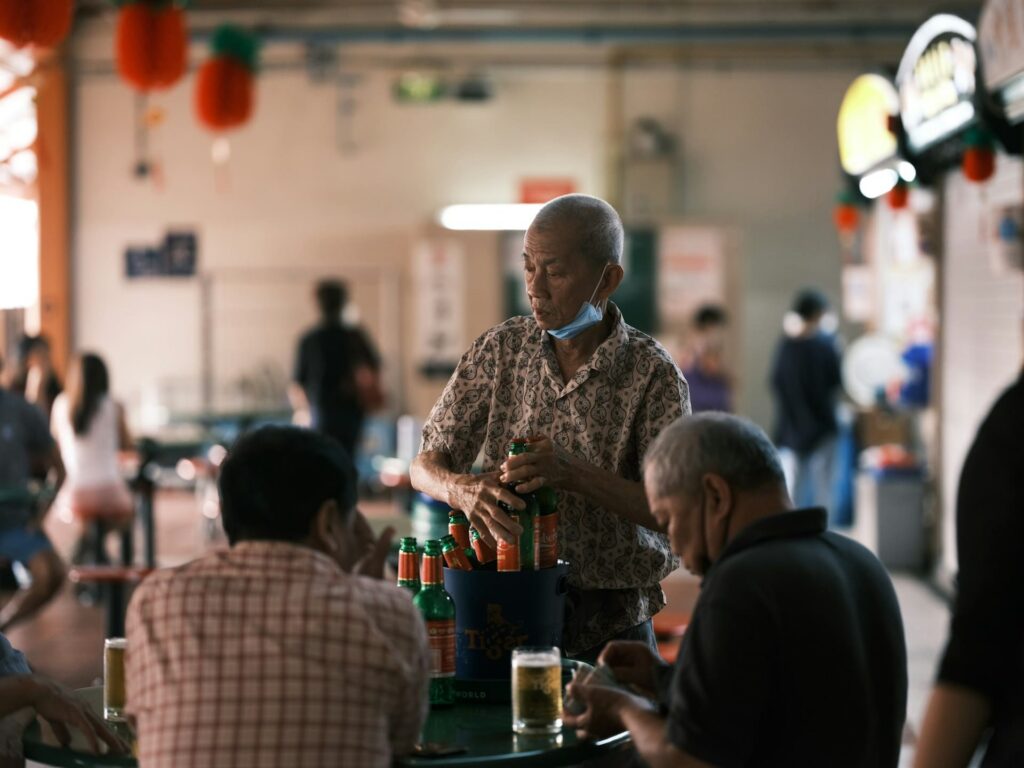
The Singapore beer market remains modest in production volume, yet it’s crucial in the country’s economy. Singapore Beer Industry Association (SIBA) notes that beer is the most popular alcoholic beverage in the country, supporting economic activity across food and beverage, hospitality, retail, manufacturing, and tourism.
Lager Still Rules, But the Story Is Changing
Macrobreweries still account for the largest share of beer production. Lager remains the backbone of Singapore’s beer industry.
According to Vyansa Intelligence, the category accounts for approximately 85% of the market and is expected to maintain a volume CAGR of around 1.63% over the coming years. Popular mid-range brands, including Tiger, continue to dominate mainstream consumption because they combine affordability with strong brand recognition.
Imported premium lagers such as Corona, Stella Artois, and Asahi Super Dry also maintain steady demand, particularly in restaurants, bars, and hotels.
However, craft breweries now represent the second-largest production segment. Younger consumers are driving interest in craft beers and flavoured lagers that offer distinctive flavours and new drinking experiences.
Concentrated but Diversifying Supply Base
Also, as per the research, more than 15 companies actively produce beer in Singapore, although the top five producers control roughly 75% of the total market share. Those leading companies include:
- MayBev Pte Ltd
- Pokka Corp (S) Pte Ltd
- House of Amber Nectar Pte Ltd
- Asia Pacific Breweries Ltd
- Carlsberg (S) Pte Ltd
Such market concentration highlights why the craft segment carries influence beyond its size. Every successful independent brewery adds greater product diversity, encourages innovation, and expands consumer choice, gradually revamping competition in Singapore’s beer industry.
Wider Regional Context
The craft beer sector also benefits from wider regional momentum. IMARC Group’s study forecasts that the Southeast Asian craft beer market will reach $35.5 billion by 2034, growing at a CAGR of 20.76% between 2026 and 2034.
Although Singapore represents a small share of that total, it has developed into one of the most mature and quality-focused craft beer markets.
The craft beer industry in Singapore also operates under one of Asia’s most comprehensive regulatory frameworks, covering excise duties, liquor licensing, and food safety requirements.
Why Singapore’s Beer Market Stands Out
The craft beer scene in Singapore has earned attention because it combines the following elements, allowing independent breweries to develop distinctive products for both local and international audiences.
Local Flavour Innovation
Local craft brewers have built a reputation for creating beers that reflect the country’s multicultural identity. Instead of relying solely on traditional brewing styles, brands such as Niang Brewery and Alive Brewery experiment with local ingredients and familiar flavours to produce beers that stand apart.
Products like Niang Brewery’s Confection Cure demonstrate how local inspiration can translate into distinctive beer experiences.
Founder Mark Chen quotes, “For us at Niang Brewery Co, the starting point is to be able to tell a local story in our beers, both in tangible and intangible ways. Stories evoke memories, much like how certain flavours bring you back to a particular place and time. Inspired by that memory, we go through a rigorous process of designing the beer, similar to the process of cooking.”
Growing numbers of younger drinkers, particularly Gen Zs, are exploring craft beers alongside flavoured and mixed lagers that offer something different from conventional brands.
Their interest in originality encourages breweries to keep introducing fresh recipes and seasonal releases, expanding the variety available across the market.
Sophisticated, High-Income Consumer Base
Singapore’s strong economy provides fertile ground for prime products. Stable GDP growth, low unemployment, and one of Asia’s highest per capita income levels give consumers considerable purchasing power for discretionary spending.
Financial confidence has encouraged more drinkers to move beyond standard mass-market options. People increasingly view craft beer as part of a broader lifestyle centred on discovery and quality dining.
Built-In Tourist and Expat Audience
Singapore welcomes millions of international visitors each year while serving as a major regional business hub. Business travellers, expatriates, and tourists regularly seek top-tier food and beverage experiences. The country’s vibrant nightlife, on the other hand, supports steady beer consumption across bars, restaurants, and hotels.
Many visitors actively look for locally brewed products that offer a taste of Singapore beyond traditional attractions. Craft breweries benefit by introducing beers that capture local culture while appealing to international palates. They are able to reach both residents and overseas guests through the same hospitality network.
Compact, Connected Trade Ecosystem
Singapore’s compact geography creates advantages that larger markets often cannot match. Breweries, distributors, bars, restaurants, suppliers, and hospitality operators work within a closely connected ecosystem, making collaboration faster and more practical.
New product launches, brewery partnerships, tap takeovers, and hospitality collaborations can move quickly because decision-makers operate within a relatively small community. This close-knit environment encourages experimentation and helps independent breweries build visibility without going through an extensive distribution network.
Where is the Craft Beer Industry in Singapore Headed?
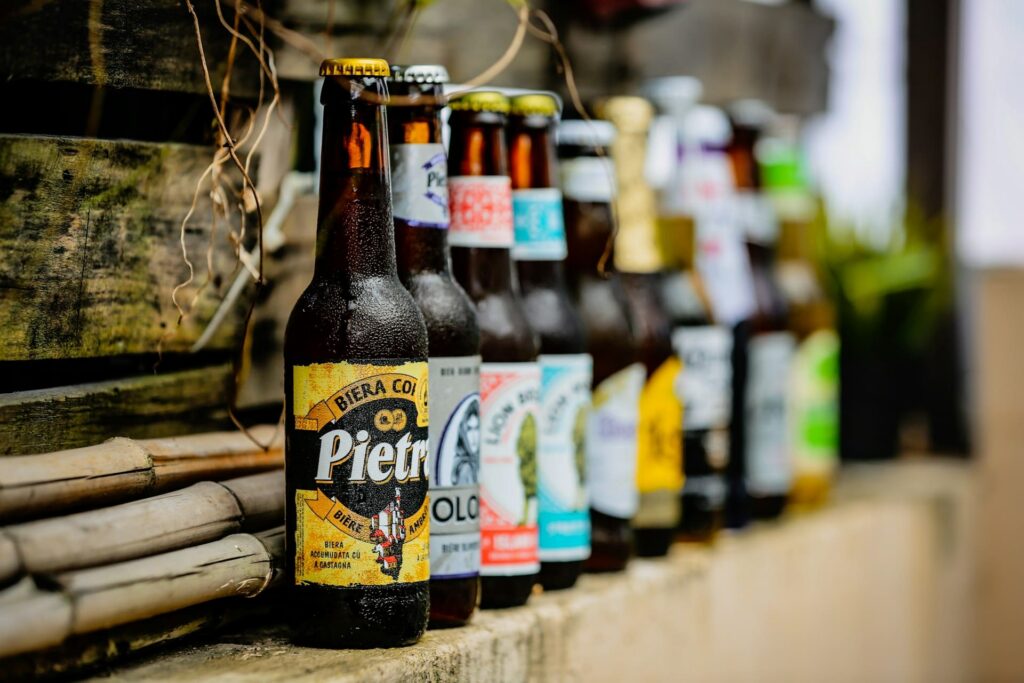
Breweries willing to adapt and innovate should take note of the following.
Premium Beer in Singapore Will Keep Accelerating
Premiumisation is expected to remain one of the strongest drivers of growth in Singapore’s beer market. Consumers increasingly value refined flavour profiles, artisanal brewing methods, and brands that tell authentic stories.
Rather than competing on price alone, breweries that deliver memorable drinking experiences and distinctive products will continue attracting loyal customers.
Non-Alcoholic and Low-ABV Will Open a New Growth Lane
The market for non-alcoholic beer in Singapore is accelerating as health-conscious consumers look for alternatives that complement modern lifestyles without sacrificing flavour.
Millennials and Gen Z drinkers, in particular, are embracing low-alcohol and alcohol-free options that align with fitness goals and sober-curious habits. This emerging category offers breweries another way to broaden their customer base while responding to changing preferences.
Digital Commerce Will Modify Distribution
Online retail continues to reshape beer purchasing habits. More consumers now order their favourite beers through e-commerce platforms and enjoy convenient doorstep delivery.
Digital sales channels also allow breweries to reach customers beyond traditional bars and bottle shops. Smaller producers are given greater visibility and stronger direct relationships with consumers.
Regional Growth Will Pull Singapore Along With It
Southeast Asia’s expanding craft beer sector creates opportunities that extend beyond Singapore’s domestic market. As one of the region’s leading trade, logistics, and business hubs, Singapore is well-positioned to support regional distribution, brand expansion, and cross-border partnerships.
That strategic role strengthens its appeal for both local producers and international breweries entering Southeast Asia.
Practicality in Packaging and Microbrewery in Singapore
Packaging innovation and the continued growth of the microbrewery in Singapore are likely to impact the next phase of the industry. Lightweight cans, sustainable materials, and flexible packaging formats improve efficiency while appealing to environmentally conscious consumers.
Smaller breweries also remain well placed to experiment with limited releases, seasonal collaborations, and taproom-exclusive beers, allowing them to respond quickly to emerging trends and changing customer tastes.
Craft Beer Industry in Singapore: Modest in Scale, and That’s the Opportunity
The craft beer industry’s long-term potential is difficult to overlook. Strong consumer purchasing power, sophisticated tastes, thriving tourism, and a steady market continue to strengthen the craft beer scene in Singapore.
For breweries and supply chain companies considering expansion, Singapore offers an attractive entry point into Southeast Asia. Success, however, depends on understanding the country’s regulatory framework, which The Beer Post explores in detail in the guide to commercial brewing regulations in Singapore.
The Beer Post continues to attract a growing readership across Singapore and the wider Southeast Asian market. Local breweries, regional suppliers, and international brands can use the platform to increase visibility and build valuable industry connections.
Subscribe to The Beer Post, and reach the right audience at the right time as this promising market continues to flourish.