
Brewery closures, volume declines, and tightening margins have dominated craft beer headlines in recent years. At first glance, the state of the craft beer industry appears to be one of contraction.
Yet a shrinking segment does not automatically signal a shrinking opportunity. Demand has not vanished. Instead, it has evolved into new categories, channels, and experiences.
Craft beer is no longer one market moving in a single direction. It is distinct national markets, each redistributing demand toward different segments and creating new commercial opportunities for supply chain partners.
As Matt Gacioch, staff economist at the US Brewers Association, explains, “What’s nearly guaranteed is that success going forward will come down to creating something meaningful and memorable for consumers. Breweries that deliver consistent quality, human connection, and unique experiences will stand out.”
In this article, we’ll examine where those opportunities are emerging and why supply chain companies should pay close attention.
Global Craft Beer Market: 5 Current Leading Countries
Just like any other sector, craft beer also does not move in the same direction everywhere at once. One country may be dealing with slowing production while another experiences strong investment and consumer demand.
A brewery’s challenges often reveal where it needs new partners, technologies, and services.
Current conditions across five leading craft beer markets indicate that opportunities remain, but they are emerging in different places.
1. United States
The United States remains the world’s largest and most influential craft beer market. As per the US Brewers Association, it contributed $72.5 billion to the U.S. economy in 2025 and supported more than 443,000 jobs. While production declined by 4%, and roughly 60% of breweries reported lower sales volumes, the industry continues to generate substantial economic activity.
For supply chain companies, the story behind craft beer market growth in 2026 is not volume expansion. Breweries are focusing on profitability, operational efficiency, and customer retention. Having said that, the demand is progressing toward:
- Automation systems
- Energy-saving equipment
- Premium ingredients
- Packaging optimisation
- Taproom improvements (i.e., strengthening customer experiences)
Breweries nowadays aim to operate smarter rather than simply produce more beer.
2. Canada
Canada represents one of the most promising long-term growth markets. According to Market Research Future, the Canadian craft beer market is expected to grow to $28.03 billion by 2035, reflecting a compound annual growth rate of 12.5%.
Several factors are driving that expansion:
- Consumers increasingly favour locally sourced products and breweries that demonstrate strong sustainability practices.
- Health-conscious drinkers are creating demand for low-calorie, gluten-free, and alternative beer options.
- Digital commerce also continues to reshape purchasing habits as breweries expand direct-to-consumer sales and online ordering capabilities.
Innovative marketing strategies, changing consumer preferences, and product diversification continue to support growth.
3. United Kingdom
As indicated by Grand View Research’s study, the craft beer scene in the country is projected to reach $ 8.17 billion by 2033, representing a 9.7% CAGR from 2026 to 2033.
The United Kingdom’s craft brewing sector continues to face well-documented pressure from rising operating costs, energy expenses, taxation, and changing consumer spending habits.
While consumer demand for craft beer remains strong, many breweries are operating in a more challenging economic environment. Owners have become far more selective about where they invest their budgets.
As breweries focus on maintaining profitability while positioning themselves for growth in a market expected to nearly double in value by 2033, they are actively seeking partners that can help them to:
- Reduce costs
- Improve productivity
- Streamline logistics
- Lower waste
- Create new revenue streams
4. Australia
Australia’s craft beer sector continues to diversify. Market Analysis Report projects that the Australia and New Zealand draught beer market will reach $3.98 billion by 2033, growing at a CAGR of 6.9% between 2025 and 2033. Small independent breweries remain highly influential, regularly experimenting with new flavours, brewing methods, and product styles.
Consumer behaviour is also changing. Full-strength beer remains dominant, but many drinkers are moderating alcohol consumption and exploring mid-strength, low-strength, and alcohol-free alternatives.
These sudden changes create opportunities for ingredient suppliers, formulation specialists, packaging companies, and manufacturers serving emerging product categories.
5. New Zealand
Meanwhile, New Zealand’s craft beer industry benefits from strong domestic quality standards and growing export potential.
Data.gov.nz identifies the success of New Zealand’s wine sector, which exports approximately 80% of production and contributes around $1.6 billion annually, as a model for future craft beer growth. Breweries continue to build international recognition through:
- Distinctive ingredients
- Premium positioning
- Strong regional branding
Export expansion creates demand for packaging solutions, cold-chain logistics, ingredient sourcing, compliance support, and international distribution services.
Every market highlighted in this snapshot of the state of the craft beer industry contains at least one clearly identifiable growth segment. Even markets generating contraction headlines continue to create new opportunities for supply chain partners that know where demand is.
Where the Craft Beer Industry Opportunities are Moving Right Now
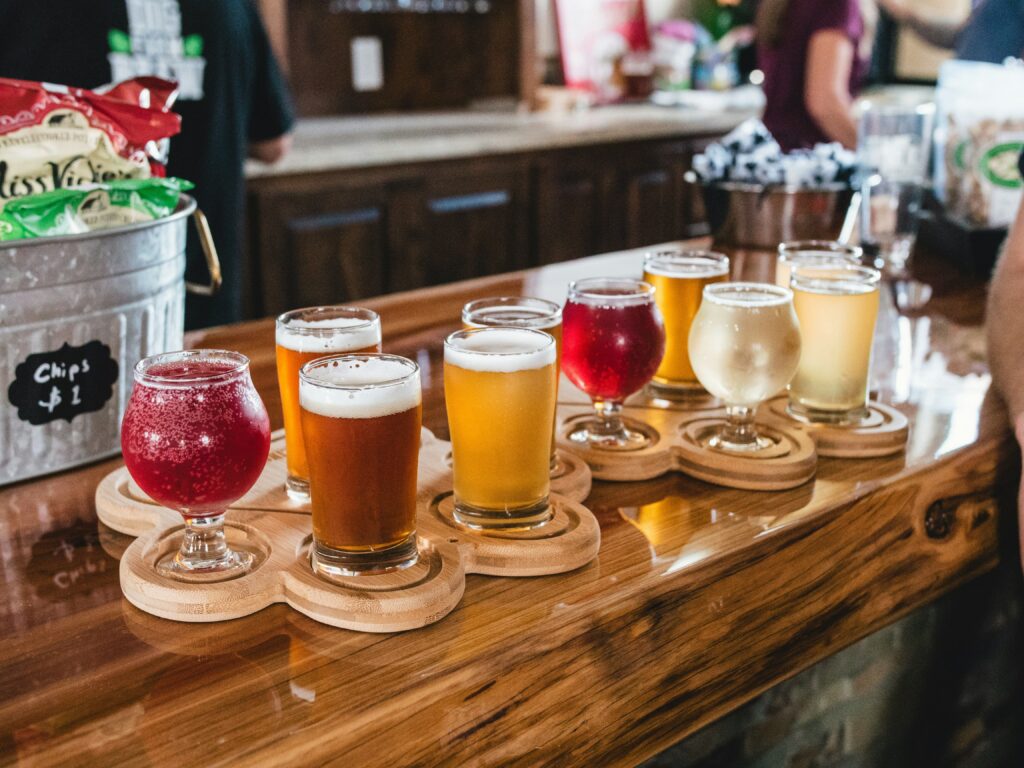
Supply chain companies that are up-to-date with these changes can position themselves where spending is actively occurring.
Non-Alcoholic and Low-ABV
One of the most visible transformations in the industry is the rise of alcohol moderation. Consumers increasingly want more choice, not necessarily more alcohol. This trend continues to drive non-alcoholic beer market growth across major craft beer markets, including the United States, Canada, Australia, and the United Kingdom.
Craft breweries are responding by expanding alcohol-free and low-ABV product lines. Those products often require the following:
- Specialised ingredients
- Brewing processes
- Filtration systems
- Packaging solutions
- Quality-control technologies
Ingredient suppliers, equipment manufacturers, and technical service providers can find new opportunities as breweries compete for a larger share of this growing category.
Premiumisation
As breweries diversify their product portfolios, many are also moving upmarket. Premiumisation has become a practical strategy for protecting margins in an environment where volume growth is no longer guaranteed.
Consumers continue to spend on products that:
- Deliver higher perceived value
- Distinctive ingredients
- Limited releases
- Memorable stories
Premium positioning often creates demand for specialty malts, unique hop varieties, custom packaging, advanced labelling solutions, and high-quality production equipment. Distributors and logistics providers can also benefit as breweries seek partners capable of supporting premium product launches and broader market reach.
Premium beer succeeds when customers connect with the overall experience, which naturally extends beyond the product itself.
Taproom and Hospitality Infrastructure
The customer experience has become a major competitive advantage for many independent breweries. Taprooms now also function as community hubs, event venues, restaurants, and direct-sales channels rather than simple tasting spaces.
It has created a demand for hospitality-focused infrastructure. Breweries frequently invest in point-of-sale systems, commercial kitchen equipment, seating, refrigeration, outdoor spaces, signage, lighting, and event management technology.
Service providers that help breweries attract visitors and increase customer spending have become crucial in supporting growth. Strong taproom performance also generates valuable customer data, creating opportunities that extend into digital operations.
Digital and E-Commerce Infrastructure
Digital capabilities have definitely become increasingly important as breweries look for new ways to engage customers and generate revenue. Online ordering, membership programs, loyalty platforms, email marketing, and direct-to-consumer sales now form part of many breweries’ growth strategies.
Service providers can help breweries strengthen these efforts by offering the following solutions:
- Website development
- Digital marketing
- Customer relationship management systems
- E-commerce technology
Industry-focused media platforms also contribute to digital visibility. The Beer Post, for example, helps breweries and industry suppliers connect with engaged craft beer audiences through targeted content and market coverage.
As competition intensifies, breweries often look for partners that improve customer acquisition and retention rather than simply increasing production capacity.
Sustainability and Circular Supply Chains
Environmental responsibility has developed from a branding exercise into a business consideration. Across the state of the craft beer industry, breweries are examining packaging waste, energy consumption, water usage, transportation efficiency, and local sourcing practices.
Supply chain companies that offer these environmentally friendly components can align directly with brewery priorities:
- Recyclable packaging
- Energy-efficient equipment
- Waste-reduction technologies
- Reusable logistics systems
- Sustainable ingredient sourcing
Many consumers actively support brands that demonstrate environmental responsibility, creating both commercial and reputational benefits.
The craft beer market growth in 2026 is increasingly concentrated in targeted segments where breweries can strengthen profitability, improve customer relationships, and build more resilient businesses.
Selling to Craft Breweries: Getting In Front of Owners Who Are Choosing Their Partners Carefully
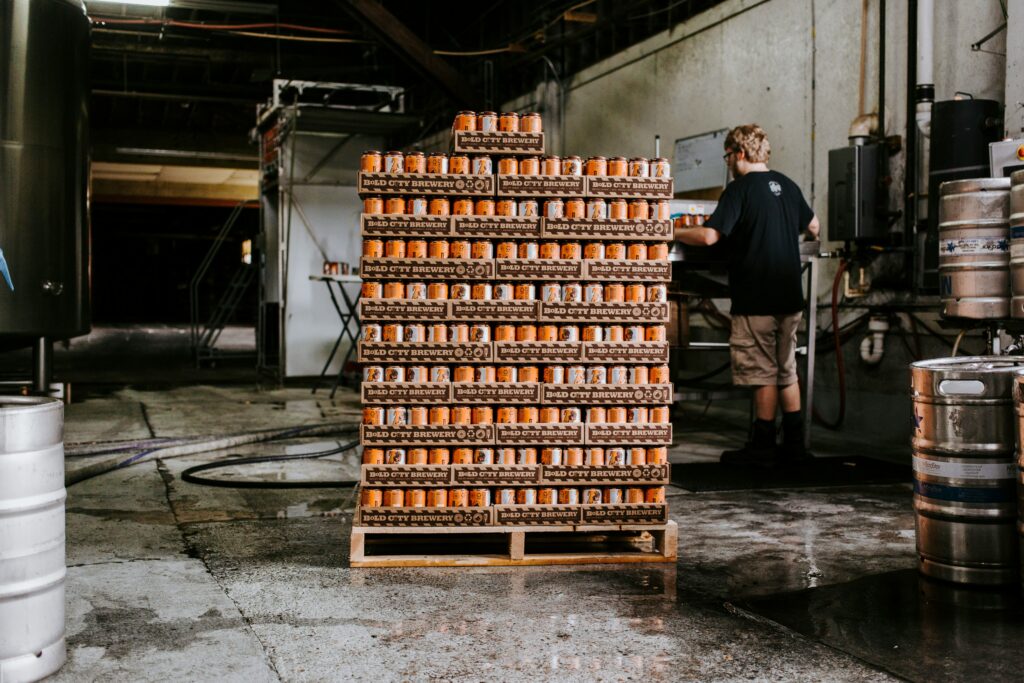
Getting in front of the global craft beer market has become more competitive. Breweries scrutinise every investment and evaluate partnerships by looking for providers that can:
Lead with Relevance
As mentioned, brewery buyers across every major market are more cautious and selective than they were five years ago. Generic sales messages rarely gain attention.
Suppliers that demonstrate in-depth knowledge of a brewery’s challenges, growth plans, and operating environment often stand out. Relevance now carries more weight than broad capability claims.
Match Growth Trends
Successful suppliers align their offerings with the industry’s strongest growth segments. A packaging company may emphasise sustainable materials and circular supply chain benefits. An ingredient supplier might highlight expertise in non-alcoholic and low-ABV formulations.
Connecting solutions to current market demand helps create stronger conversations and more meaningful partnerships.
Build Consistent Visibility
Product quality remains important, but visibility often determines who enters the buying conversation. Companies that appear regularly in trade publications, industry newsletters, and digital communities frequently outperform competitors that rely solely on direct outreach.
Consistent exposure, supported by content marketing, email marketing initiatives, and participation in industry trade shows, helps build familiarity and trust over time.
Think Beyond Borders
Cross-market awareness can create a significant advantage. Becoming aware of where investment is accelerating, where consolidation is occurring, and where consumer preferences are shifting allows suppliers to allocate resources more effectively.
Companies that recognise these differences can develop strategic regional approaches and identify opportunities before competitors do.
Summing up the State of the Craft Beer Industry in 2026
The real state of the craft beer industry in 2026 reflects a market in transition, not a market in decline. This means the demand is moving, not disappearing. Breweries continue to invest in non-alcoholic products, premium offerings, hospitality experiences, digital capabilities, and sustainability initiatives.
Each market examined in this article presents at least one clearly defined growth segment:
- The United States is prioritising efficiency and customer experience.
- Canada continues to expand through innovation and e-commerce.
- The United Kingdom is creating opportunities for value-driven suppliers.
- Australia is embracing low-alcohol and low-carb products.
- New Zealand’s export potential continues to attract attention.
Periods of change often create the strongest openings for companies willing to adapt. Supply chain partners that align their solutions with emerging priorities in the brewing industry can position themselves for long-term growth.
The Beer Post connects supply chain brands with the decision-makers in charge of the craft beer’s future. Subscribe to The Beer Post and turn industry insight into a commercial opportunity!