
Craft brewing is no longer Western-centric, as it has also secured its position as a major powerhouse in the East. Market Data Forecast values the Asia Pacific craft beer market at $38.22 billion in 2025, highlighting the region’s growing importance to the global brewing industry.
The craft beer markets in Asia Pacific (APAC) present varied opportunities for companies seeking international expansion. But each market brings its own consumer preferences, regulations, distribution networks, and competitive edge.
In this article, The Beer Post highlights the 15 leading craft beer markets in APAC, why businesses should venture into these countries, and what to consider when planning your next move.
Current State of the APAC Craft Beer Market
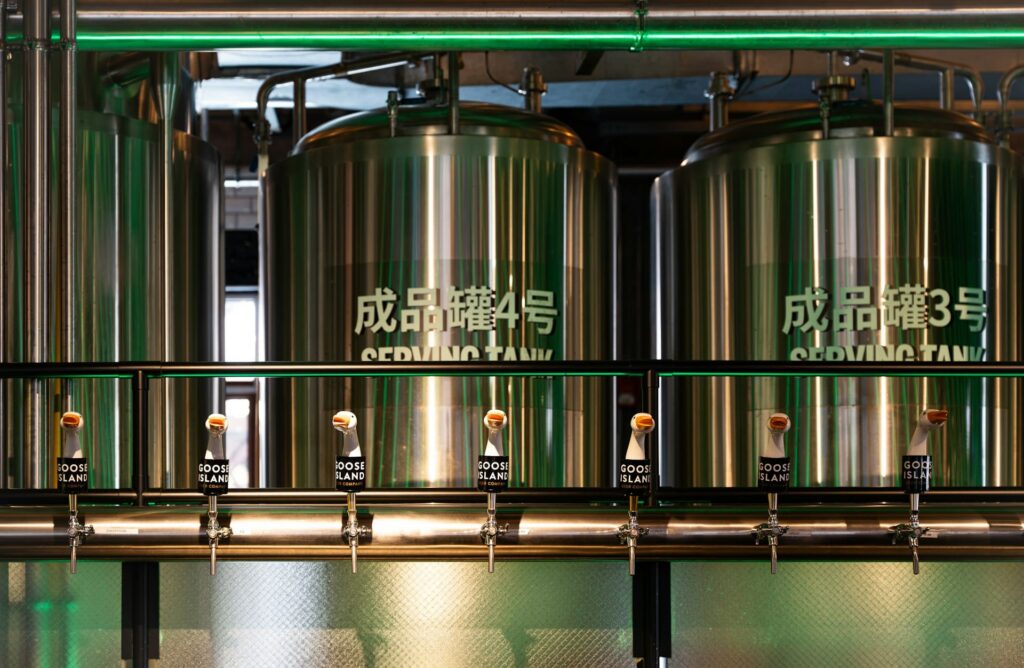
While mainstream alcohol still drives much of the Asia Pacific beer industry, premium products, craft brewing, and alcohol-free options are creating new opportunities for businesses.
Largest Beer-Producing Region in the World
Asia has remained the world’s largest beer-producing region since 2009, with China leading the pack, producing 353.6 million hectolitres in 2025, according to The Global Times. This scale gives the region a huge foundation for breweries, suppliers, distributors, and other beer businesses.
A Market Splitting Into Two Speeds
Mordor Intelligence’s report shows that the wider APAC beer market is expected to reach $326.86 billion by 2031, expanding at a 5.22% CAGR from 2026 to 2031. Craft beer is growing at a much faster pace, projected to reach $132.56 billion by 2034, as per Market Data Forecast.
Premiumisation Is the Defining Regional Trend
Consumers are increasingly seeking premium, artisanal beverages, particularly millennials and urban professionals looking for distinctive flavours and quality.
Market Data Forecast also identifies premiumisation as a major craft beer driver, noting 7% annual growth in Japan’s craft beer sector and a 15% value share for craft beer in Australia.
Vietnam and India Lead on Consumption Growth
Going back to Mordor Intelligence’s statistics, Vietnam is seen to record particularly strong market growth, while rising urban incomes in India support premium demand. These trends create varied possibilities across the craft beer markets in Asia Pacific.
Non-Alcoholic and Low-ABV Options Are Growing Fastest
Lager accounted for 45.68% of regional revenue in 2025. However, non- and low-alcohol beer will climb to 7.92% CAGR through 2031, making it the fastest-growing product category.
Within this broader picture, 15 individual markets stand out for the genuine opportunities they represent to firms pursuing craft beer expansion in Asia.
15 Leading Craft Beer Markets in Asia Pacific
The APAC craft beer market is not the same everywhere. Some markets offer enormous scale, while others stand out for premium consumers, tourism, brewing heritage, or room for new entrants.
| Rank | Country | Number of Breweries |
| 1 | China | 2,400 |
| 2 | Japan | 1,286 Sake Breweries / 891 Craft Breweries |
| 3 | Australia | 1,694 |
| 4 | Vietnam | 761 |
| 5 | India | 500+ |
| 6 | New Zealand | 200+ |
| 7 | South Korea | 182 |
| 8 | Thailand | 174 |
| 9 | Philippines | 100+ |
| 10 | Taiwan | 40 to 60 |
| 11 | Indonesia | 48 |
| 12 | Singapore | 44 |
| 13 | Cambodia | 27 |
| 14 | Malaysia | 25 |
| 15 | Nepal | 6 |
1. China
China is at the centre of Asia Pacific’s craft beer sector. It is the region’s leading craft beer market, with a craft brewery count of around 2,400. China’s craft beer scene is at a 12.3% CAGR and is forecast to continue through 2035.
The country’s enormous consumer base gives independent brewers access to a scale that few other markets can match. Major cities such as Shanghai, Beijing, Chengdu, and Shenzhen have developed distinct craft beer communities, while more and more local breweries experiment with ingredients and flavours that reflect regional food culture.
2. Japan
Japan’s modern craft beer traces back to 1994, when revisions to the Liquor Tax Act cut the minimum annual production requirement for beer from 2,000 kilolitres to 60 kilolitres. This regulatory change opened the door to small-scale breweries and helped spark the country’s famous “ji-beer.”
The country has a mature beer-drinking culture with a strong appreciation for quality, regional identity, and careful brewing. It currently has around 891 registered craft breweries.
Japan’s broader brewing ecosystem also benefits from its large sake-brewing tradition, perfect for businesses that can connect traditional techniques with modern craft beer. Current records also show that the country has over 1,286 sake breweries.
3. Australia
Australia combines a mature beer culture with a well-developed independent brewing scene. IMARC Group valued the Australian craft beer market at $3.10 billion in 2025 and sees it reach $6.44 billion by 2034.
The country’s strength also shows in its extensive brewing base. CompanyData.com lists 1,694 breweries on the Australian Business Register, although this broader business count should not be interpreted as a count of independent craft breweries alone.
Australia’s strong pub culture, brewery tourism, taprooms, and consumer interest in premium local products give the market considerable depth.
4. Vietnam
Vietnam has developed one of the most dynamic brewing environments in Southeast Asia. Its modern craft beer story grew partly through returning Vietnamese students who brought European brewing knowledge and influences home during the 1990s.
Today, InfobelPRO lists 761 registered brewery businesses, based on Vietnam’s Ministry of Planning and Investment records.
The country’s craft scene includes many independent microbreweries, alongside major international producers. Vietnam also recorded the strongest projected geographic growth in Mordor Intelligence’s wider APAC beer market analysis, at 7.65% CAGR through 2031.
These conditions make Vietnam a closely watched market within the broader Southeast Asia craft beer market.
5. India
India brings together a huge consumer population and a rapidly expanding independent brewing culture. Rentech Digital counted 512 breweries as of April 1, 2026, including 443 single-owner operations. The concentration of independently operated businesses reflects the country’s growing interest in local brewing.
Urban centres such as Bengaluru, Mumbai, Delhi, and Pune have become important craft beer hubs, supported by brewpubs and younger consumers seeking more varied drinking experiences.
6. New Zealand
New Zealand is smaller than many markets on this list, but its brewing identity is closely tied to premium positioning. The country’s craft beer sector is often compared with its successful wine industry, particularly because producers have increasingly looked beyond domestic consumption toward export opportunities.
The Brewers Association of New Zealand reported about 200 breweries in its industry data, noting that the number had remained relatively stable after years of growth. Local brewers benefit from a strong reputation for quality, distinctive ingredients, and tourism links.
7. South Korea
South Korea has built a recognisable craft beer culture around urban consumers, independent breweries, convenience-store distribution, and changing drinking habits. Grand View Research projects the country’s craft beer market to reach $886.6 million in revenue by 2033.
Asia Brewers Network reported 182 microbreweries in 2023, based on Korea Craft Brewers Association figures.
Distribution remains a major consideration for smaller producers. Partnerships with convenience stores and online ordering platforms have helped regional breweries reach consumers beyond their home cities. This only demonstrates how retail infrastructure can influence craft beer growth.
8. Thailand
Thailand combines a strong tourism industry with a prominent beer culture. Mordor Intelligence sees APAC on-trade beer venues to expand as tourism recovers, identifying Thailand and Singapore among the markets benefiting from that recovery.
Moreover, InfobelPRO currently lists 174 breweries in Thailand, based on Thailand’s Department of Business Development records. The country’s tourism hubs, hotels, restaurants, bars, and entertainment venues create natural channels for premium and speciality beer.
9. Philippines
The Philippines has developed a growing craft beer community alongside a beer market historically dominated by large domestic producers.
Rantech Digital records over 100+ breweries registered in the country. Manila and Cebu have emerged as important craft beer centres, while breweries in other provinces increasingly use local ingredients and regional identities to differentiate their products.
The Beer Post’s dedicated Philippines market article provides a deeper look at the country’s brewing history, consumer base, and growth opportunities.
10. Taiwan
Taiwan’s beer market is a recognised mainstream sector with growing interest in craft, imported, and speciality beers. Taiwan Beer remains a big domestic name, but consumers have gained wider access to international and independent products.
The country also functions as an important beer-importing market, giving international breweries an established route into a sophisticated consumer environment. The brewery count cited for Taiwan is approximately 40 to 60 registered ones, although definitions can vary between sources.
For businesses researching craft beer markets in Asia Pacific, Taiwan offers an interesting mix of mature beer infrastructure and room for further craft development.
11. Indonesia
Indonesia forms part of the broader Southeast Asia craft beer market, where tourism, rising incomes, and premium consumption are creating new commercial possibilities.
InfobelPRO records 48 registered breweries in Indonesia, using information from the country’s Ministry of Law and Human Rights. Bali remains particularly relevant because of its international tourism base, while Jakarta and other big cities provide additional urban consumer markets.
Indonesia’s expanding middle class and hospitality infrastructure make it a market worth watching as craft beer markets in Asia Pacific continue to diversify.
12. Singapore
Singapore offers a different proposition, with limited geographic scale but sophisticated consumers, strong purchasing power, international connectivity, and a well-developed hospitality sector.
InfobelPRO currently lists 44 breweries, based on ACRA data. Craft beer benefits from the country’s dense concentration of restaurants, hotels, bars, and tourism businesses.
Singapore also serves as a regional business and logistics hub, giving breweries and suppliers potential value beyond its domestic consumer market.
13. Cambodia
Cambodia remains a developing beer market where tourism and hospitality also provide important routes for premium products. Its brewing sector includes major international players alongside smaller independent operations. A current brewery directory lists 27 breweries in the country.
Phnom Penh and Siem Reap offer natural starting points for craft beer businesses because of their concentration of restaurants, hotels, expatriate communities, and international visitors.
Cambodia’s relatively small brewery base also makes it a market where new concepts can develop together with an expanding tourism economy.
14. Malaysia
Malaysia’s beer industry is supported by international and regional producers, alongside a smaller independent segment. Heineken Malaysia’s domestic presence, including Tiger Beer, reflects the strength of premier brands in the country’s beer market.
According to InfobelPRO, there are 25 registered breweries in the country, based on Companies Commission of Malaysia records. Kuala Lumpur and other urban centres provide the strongest concentration of hospitality businesses and premium consumers.
Malaysia’s prominent distribution infrastructure can therefore provide a useful foundation for speciality beer products, even as the craft segment remains relatively small.
15. Nepal
Nepal represents one of the smaller and earlier-stage markets in this group, with records showing 6 registered breweries.
A young urban population, expanding tourism industry, and growing interest in independent beer allow local breweries to build distinctive brands around the country’s identity and natural environment.
The market remains considerably smaller than neighbouring India, but that also means the competitiveness differs. Local breweries can focus on regional flavours, tourism-led experiences, and premium positioning rather than competing solely for mainstream volume.
Things to Consider Before Entering the Craft Beer Markets in Asia Pacific

The Asia Pacific region can offer very different paths into the beer business. The region spans a diverse operational spectrum, balancing high-volume, established hubs like China and Japan with untapped frontier markets like Nepal and Cambodia.
Businesses exploring the fastest growing beer markets in Asia must understand that careful preparation matters as much as the product itself.
Regulatory Frameworks Vary Enormously
Licensing requirements, excise duties, labelling rules, and import regulations can differ sharply across borders. The Beer Post’s guides to commercial brewing regulations in Singapore and China highlight these differences.
A compliance model that works in one country may create delays or unexpected costs in another, making local regulatory research essential before market entry.
Distribution Infrastructure Is Uneven Across the Region
Japan and Australia offer mature distribution networks, while markets such as Nepal and Cambodia may require greater investment in logistics and cold-chain capabilities.
Companies entering the craft beer markets in Asia Pacific need to assess distributors, storage conditions, transport costs, and route-to-market options early.
Consumer Preferences Are Highly Localised
Local tastes can highly influence product development. Chinese brewers may use Sichuan peppercorns or pu-erh tea, while Philippine producers experiment with ube, mango, and calamansi.
A strategy that succeeds in one of the fastest growing beer markets in Asia may need substantial adaptation elsewhere.
Government Regulation Can Change Quickly
China’s 2026–2030 quality-improvement guidelines and India’s 2025 alcoholic-beverage category reforms demonstrate how quickly policy conditions can evolve. Regulatory monitoring needs to remain an ongoing business task.
On-Trade vs. Off-Trade Balance Differs by Market
Vietnam, Singapore, South Korea, and Malaysia have notable on-trade activity, while off-trade channels account for most regional beer sales. Good knowledge of the local channel mix helps companies make informed decisions about packaging, pricing, distribution, and partnerships.
A New Era Is Brewing Across Asia Pacific
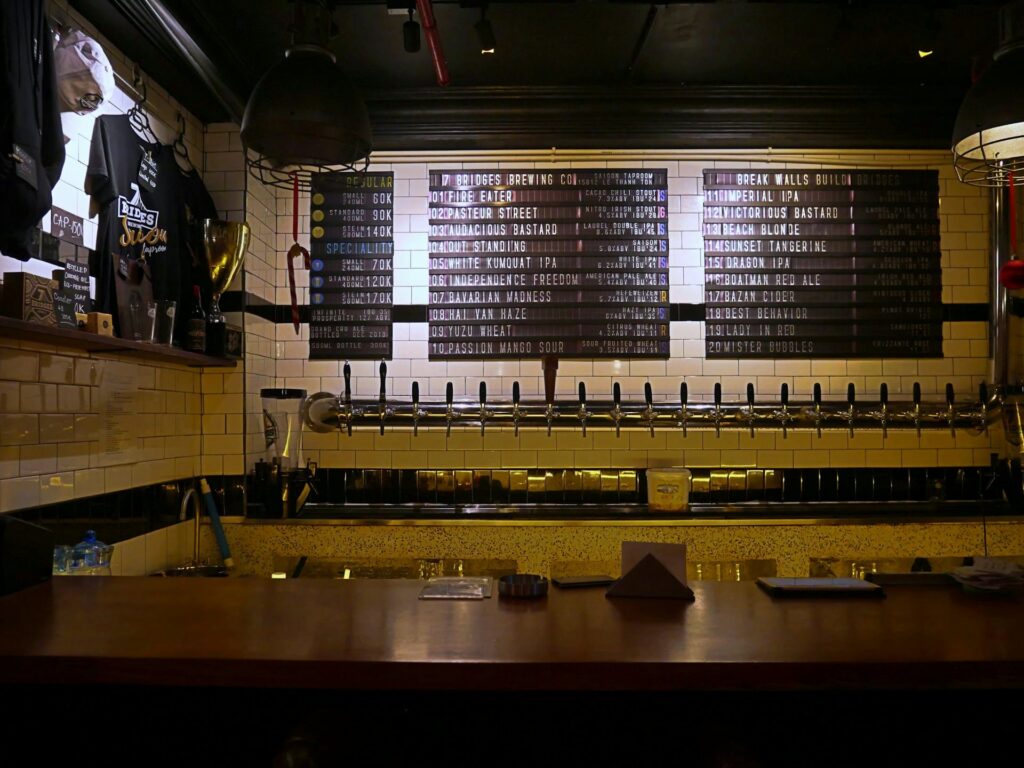
Craft beer markets in Asia Pacific are diverse, fast-moving, and full of opportunity. Renowned sectors such as China, Japan, and Australia offer scale and mature consumers. On the other hand, emerging markets across Southeast Asia and frontier destinations such as Nepal present new avenues for growth.
Success depends on a deeper understanding of each market’s consumers, regulations, distribution channels, and competitive landscape.
The Beer Post connects breweries, pubs, bars, and supply chain companies with premier and budding craft beer markets across Asia Pacific and beyond.
Contact The Beer Post today to explore our services and discover how we can help build genuine visibility for businesses in the region!