
For more than a century, Philippine beer has had one dominant name, San Miguel. Yet alongside this household staple, a genuinely different beer story has been building since the 2010s.
Independent brewers began experimenting with small-batch recipes, local ingredients, and beer styles that offered drinkers something beyond the familiar lager.
The craft beer industry in the Philippines has evolved into a lucrative, high-growth market. It attracts entrepreneurs, hospitality businesses, investors, and international powerhouses looking to tap into the country’s evolving drinking culture.
This article deep dives into what makes this market distinctive and where it stands today. We’ll also touch on what the next chapter could look like for businesses considering a move into this emerging beer sector.
The Origins of the Craft Beer Industry in the Philippines
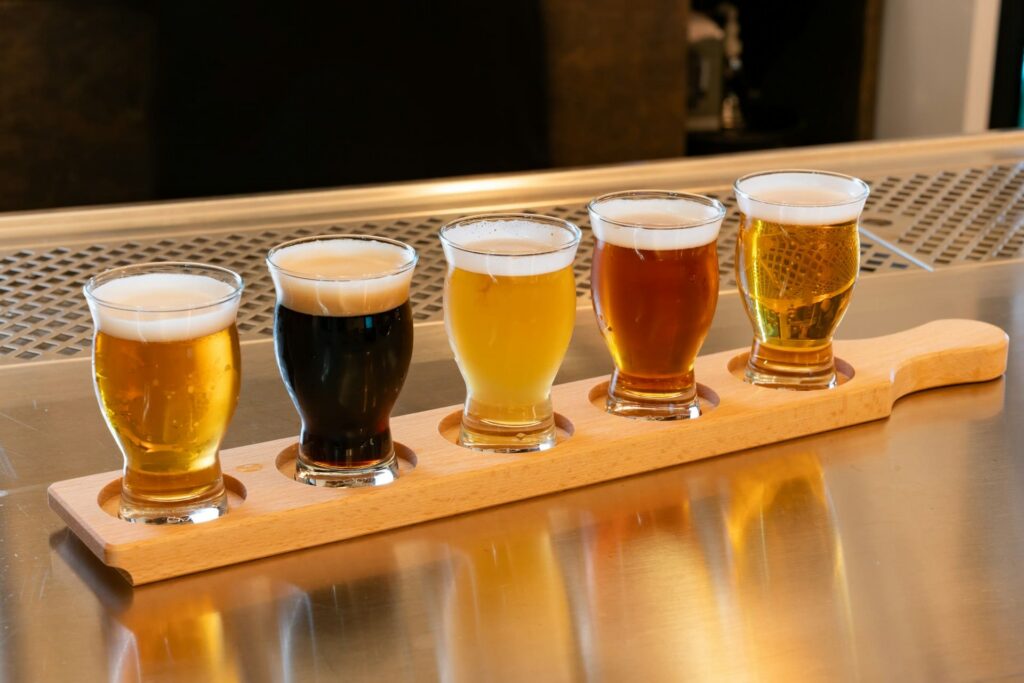
Modern beer took root in the Philippines during the late colonial period when La Fábrica de Cerveza de San Miguel opened in Manila in 1890. San Miguel grew into the country’s defining beer brand and has retained overwhelming market dominance for generations.
Its long-standing dominance greatly influenced the Philippine craft beer market and created a clear contrast for independent brewers seeking to offer something different.
Early 2000s Spark
The craft beer sector began emerging in the early 2000s as Filipino drinkers gained exposure to global craft beer. Imported speciality beers helped introduce new styles, flavours, and brewing techniques, while homebrewers started experimenting on their own.
As per the Global Agricultural Information Network report, imported craft beer gained wider availability around 2008. Local microbreweries in the Philippines soon began appearing across the country.
The Turning Point in 2015
The Craft Beer Association of the Philippines (CBAP) was incorporated in 2015 to promote local craft beers, breweries, brewers, and the wider community. Its focus is mainly to support small, independent producers and, at the same time, consumers.
“Based on our data, [the boom in the craft beer industry] started in 2010, but some of them started earlier as homebrewers. Then most of it [happened in] 2015, when we had around 15 breweries opened that year,” Jun Flores, president of CBAP quotes.
By 2019, CBAP had grown to around 60 craft breweries nationwide, marking a major milestone for the craft beer industry in the Philippines. At present, there are an estimated 72 breweries registered across the country.
What Sets the Philippine Craft Beer Market Apart
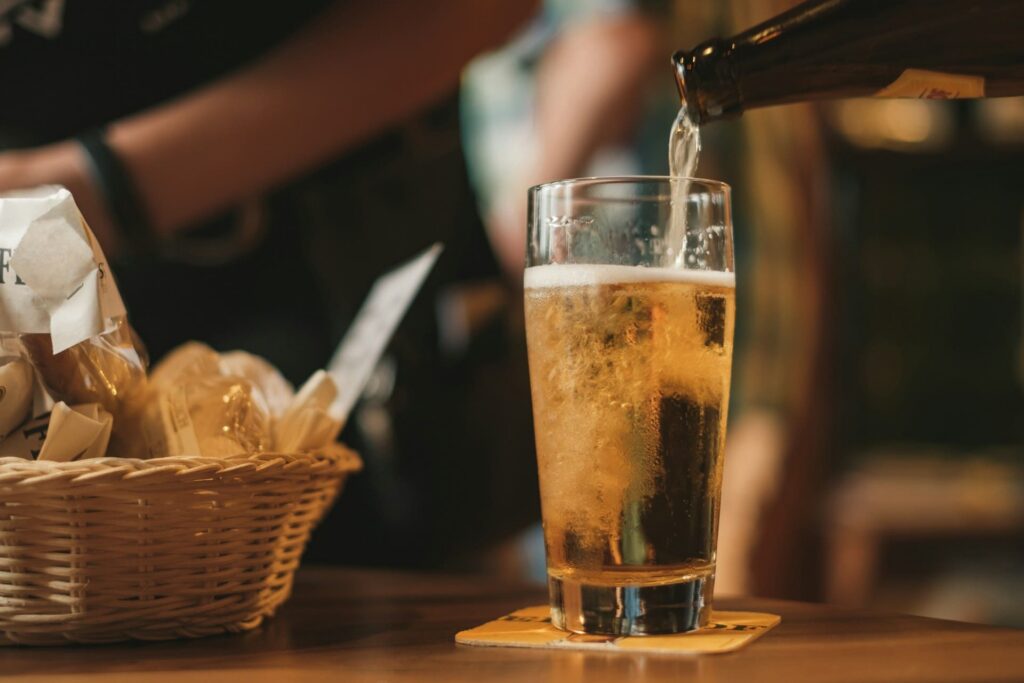
The Philippine craft beer market has a distinctive advantage, as it is:
Deeply Local Ingredients and Flavours
Local ingredients give Filipino craft breweries a strong foundation for experimentation. Brewers have developed beers featuring familiar flavours such as:
- Ube
- Mango
- Calamansi
These distinct flavours connect modern brewing techniques to ingredients deeply associated with Filipino food culture. They give independent brands a point of difference that mass-market and imported beers struggle to match.
A Pre-Colonial Fermentation Heritage to Draw From
Beer may be relatively new to the modern Philippine craft scene, but fermentation is not. Indigenous communities produced alcoholic drinks from rice, sugarcane, coconut and other local ingredients long before Spanish colonisation.
Traditional beverages such as tapuy, basi, and tuba carried social and cultural significance, appearing at celebrations, rituals, and community gatherings.
This heritage gives the craft beer industry in the Philippines a rich cultural reference point for developing exclusive Filipino products.
Extremely Concentrated Mass Market to Differentiate Against
Few markets offer craft breweries such a stark competitive contrast. San Miguel commands the overwhelming share of Philippine beer consumption, while craft and imported beer together represent only a small fraction of the market.
That concentration creates a challenging environment, but it also gives independent producers a clear reason to stand apart through flavour, branding, and experience.
A Deregulation-Driven Growth Environment
Regulatory changes around microbreweries and alcohol licensing have created more room for small-scale producers to enter the market. This developing environment can make the Philippines attractive to entrepreneurs seeking opportunities beyond established mass-market brewing.
Festival and Tourism-Driven Discovery
Beer festivals have helped introduce new drinkers to independent breweries and unfamiliar styles. Events such as the MNL Craft Beer Festival have connected brewers with consumers while benefiting from the country’s strong tourism and festival culture.
For businesses watching the Manila craft beer scene, these gatherings offer a useful window into emerging tastes and consumer demand.
Craft Beer Industry in the Philippines Today
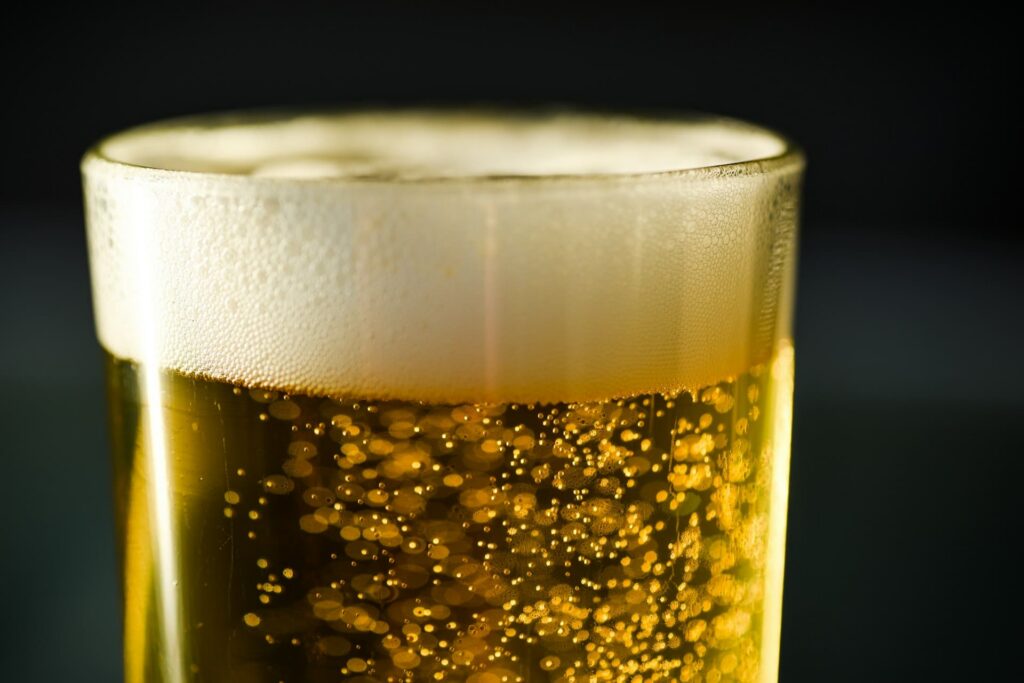
The market has reached a point where its potential is becoming easier to measure. Recent figures show a growing industry supported by changing consumer tastes, new brewing businesses, and stronger routes.
Market Approaching $700 Million
The craft beer industry in the Philippines has entered a notable growth phase. According to IMARC Group, the country’s craft beer market reached $702.5 million in 2025. The wider Philippine beer market reached $13.96 billion the same year but is growing at a much slower 1.67% CAGR.
Craft Still a Small but Fast-Growing Slice
Craft beer remains a small part of overall consumption. USDA data puts imported beer at less than 1% of total consumption, highlighting how heavily the market still favours domestic mainstream brands. The opportunity rests on the segment’s strong growth trajectory.
Cebu and Manila Craft Beer Scene Lead the Way
Manila and Cebu have emerged as the country’s leading craft beer hubs. IMARC Group also identifies both cities as centres where microbreweries and brewpubs are transforming the market.
Their concentration of consumers, hospitality businesses, and tourism activity gives new breweries fertile ground for building recognition.
A Young, Urban Consumer Base Driving Demand
Younger Filipino consumers increasingly value artisanal quality, distinctive flavours, and stories connected to local ingredients and heritage. Rising disposable incomes and an expanding urban middle class add further impact, creating favourable conditions for premium beer consumption.
Growing Distribution Beyond Bars
Craft beer is also becoming easier to discover outside traditional taprooms. Bars, festivals, speciality outlets, and online platforms are widening consumer access as breweries develop more mature distribution networks.
Major events continue to attract large audiences. The 2025 Mabrewhay festival, for example, drew more than 50,000 craft beer enthusiasts.
The Future of the Craft Beer Industry in the Philippines
The next stage of the Philippine craft beer market will depend on:
Genuinely Rapid Growth Ahead
Going back to IMARC Group, the report also projects the Philippine craft beer market to reach USD 1,610.8 million by 2034, representing a 9.37% CAGR from 2026 to 2034. The pace points to substantial, sustained expansion rather than a short-lived consumer trend.
Continued Product Innovation
Brewers have considerable room to experiment as consumer preferences evolve. New releases featuring unusual local ingredients, sustainable brewing methods, and low-alcohol options can appeal to millennials and Gen Z consumers seeking flavour without the traditional emphasis on high alcohol content.
Low- and alcohol-free beer are growing segments within the wider Philippine market.
Strategic Collaborations Expanding Reach
Partnerships between local breweries, pubs, restaurants, and hospitality businesses can take craft beer beyond dedicated taprooms.
Food pairings, tasting events, and brewery experiences give consumers more reasons to discover independent brands while helping producers access established audiences.
Southeast Asia’s Emerging Craft Beer and Beer Tourism Destination
The Philippines sits within a rapidly developing Southeast Asian craft beer market that includes Vietnam, Indonesia, Thailand, Singapore, and Malaysia.
Vietnam already demonstrates how craft breweries can connect local ingredients, tourism, and taproom experiences, giving the Philippines a useful regional benchmark.
As its own scene develops, the craft beer industry in the Philippines could become an increasingly attractive destination for beer-focused travellers.
A Persistent Cost Challenge Worth Planning For
Growth does not eliminate the challenges facing small producers. Imported speciality malts, hops, and yeast strains can raise production costs.
Meanwhile, brewing systems, packaging equipment, and other infrastructure demand substantial upfront investment. These financial pressures remain a genuine consideration for breweries and craft beer suppliers evaluating market entry.
The sector is expanding at nearly 10% annually, driven by favourable regulations and a young demographic shifting toward premium local alternatives. It represents a high-potential market worth entering before it reaches full maturity.
The Philippines’ Craft Beer Story Is Still Being Written
The craft beer industry in the Philippines stands at an exciting point in its development. Yet the sector still has significant room to grow as distribution expands and more consumers discover locally made beer.
For international breweries, pubs, bars, and supply chain companies, that combination makes the Philippines a market worth watching and acting on.
The Beer Post connects breweries, pubs, bars, and supply chain companies with emerging craft beer markets around the world, including the Philippines. Get in touch with The Beer Post today to stay up-to-date with the latest news, events, and opportunities in the sector!