
The UK on-trade craft beer market accounted for 6.8% of total beer volume in the 12 months to March 2026, down 4.9% year on year and 10% over two years, according to The Morning Advertiser’s Beer Report 2026.
Yet value sales rose 0.7%. Reports of strong growth at specialist venues and younger drinkers seeking independent beer add tension to the craft beer meaning in the UK.
Craft Beer Meaning in the UK: Volume Is Falling, But Not Everywhere
UK on-trade beer volume fell 2.5% in the 12 months to March 2026, while value sales increased, reflecting higher prices across the category. World lager remained dominant, accounting for 30.3% of beer volume, per The Morning Advertiser’s Beer Report 2026.
Craft beer faced a steeper regression, but the national figures do not tell the whole story. At Barking Cat Ale House in Poole, licensee Mark Ambrose revealed strong craft beer demand, rising footfall and double-digit year-on-year growth.
He also pointed to increasing interest among 18-to-30-year-olds. The contrast suggests that the craft beer sales decline UK figures describe does not apply evenly across specialist venues or consumer groups.
Why the Word “Craft” Is Getting Harder to Define
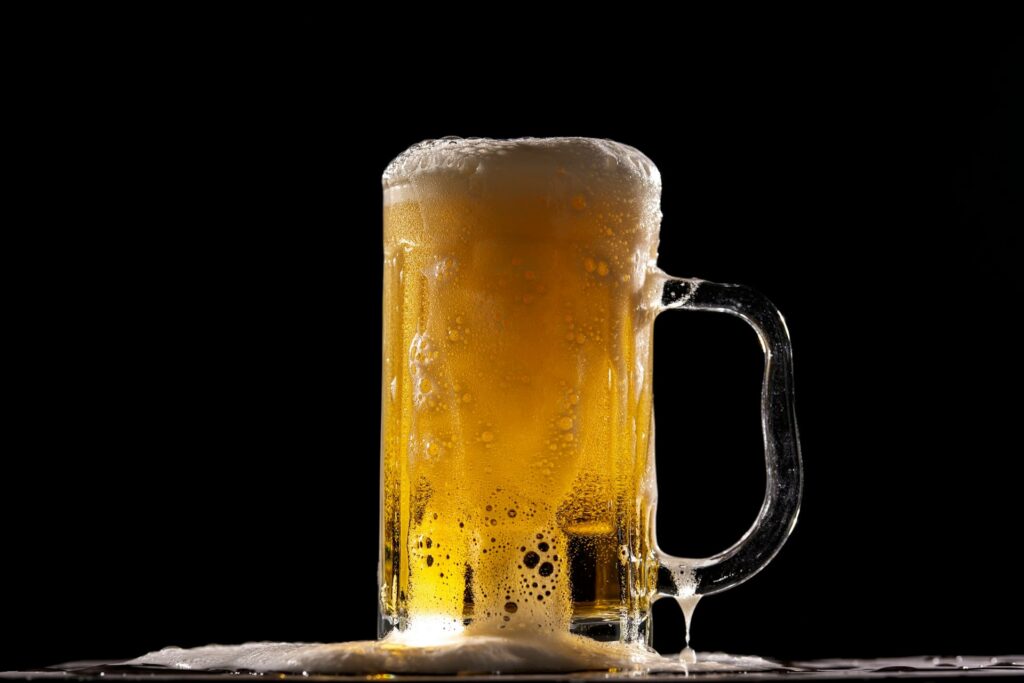
The meaning of craft beer has become less straightforward as drinkers explore a wider range of styles. At Barking Cat Ale House, hazy pale ales and pastry stouts are performing strongly alongside traditional English IPAs, heritage bitters, and classic stouts and porters. That range makes a single craft beer category definition increasingly difficult to apply.
Beer writer Pete Brown told The Morning Advertiser that “craft” still has emotional appeal, but terms such as “independent” and “indie” offer clearer descriptions of ownership and business structure.
The distinction matters as larger brewing companies have acquired several well-known craft brands, weakening some of the category’s original independent image.
Historically, craft was rarely a formal classification printed on beer labels. Instead, the term helped signal something different from mainstream lager, often through flavour, brewing methods or presentation.
Today, those characteristics appear across a much broader market. As a result, “craft” remains a powerful idea for consumers, but its boundaries are becoming harder to pin down.
Craft Beer Meaning in the UK: Does the Label Still Matter to Drinkers?
For many UK drinkers, the craft label may matter less than the experience of choosing a beer.
According to Jesse Wilson, founder of Jubel, familiar brands, glassware, what other customers order, and the beers available at the bar can all influence purchasing decisions. He also highlighted a practical obstacle, stating, “There are lots of fantastic breweries making fantastic beers, but there is a distribution challenge, he quoted
Jubel’s volume sales increased 117.9% in the 12 months to October 2025, according to The Morning Advertiser’s Drinks List. Wilson linked that growth partly to reaching consumers who would not normally identify as beer drinkers.
His view also adds context to the debate around independent beer vs craft beer. Wilson argued that craft beer has historically reached only about 10% of the wider beer market because its appeal remains narrower.
These figures suggest breweries may gain more by making distinctive beers accessible to broader audiences than relying on the craft label alone.
Craft Beer Meaning in the UK: Low and No Alcohol Beer Is Adding to the Blur
Low and no alcohol beer is making the craft category harder to define, as consumers increasingly judge drinks on flavour and brewing skill rather than alcohol content.
Jo Taylor, marketing director at DioniLife Global, which distributes Mash Gang, said the category is “fragmenting, in a healthy way.” Non-alcoholic options can appeal as a choice rather than a compromise, further blurring the boundaries between traditional craft beer and the wider drinks market.
Craft Beer Meaning in the UK: A Category Without Fixed Boundaries
Craft remains relevant in pubs built around discovery, but its defining traits now appear across the wider beer market. Flavour, independence and provenance no longer belong to one category.
The Beer Post tracks global beer trends and consumer behaviour. Get in touch to stay informed and, at the same time, explore how The Beer Post can support your business!