
2027 doesn’t reward the same sales playbook that worked a decade ago. The craft beer market is contracting in volume, distributors are consolidating, and retailers are narrowing their shelf sets.
Breweries, pubs, and bars now have to sell smarter, not just harder, to protect margins and stay visible in a highly crowded market. That means rethinking how products reach customers, how accounts are won, and how relationships turn into repeat sales.
The right sales approach can help businesses respond to tighter competition while creating more consistent demand across changing channels. Yet, better sales rarely come from one big move. They come from modern tactics that fit the sector and the business.
This article spotlights ten craft beer sales strategies worth trying in 2027, including some quick tips for putting them into action.
Why Craft Beer Sales Are Harder: 5 Leading Brewery Distribution Challenges
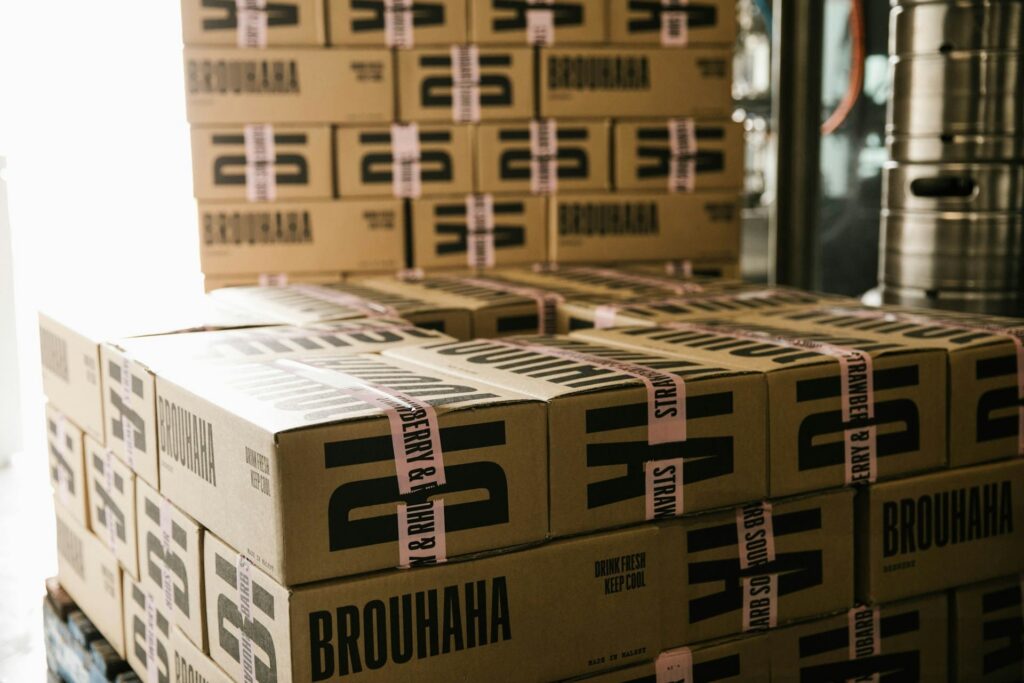
A tougher beer sector creates pressure at every stage of the route to market, as business owners now face the following brewery distribution challenges:
Retailers Are Narrowing Their Shelf Sets
Retailers increasingly prioritise brands that turn quickly and justify their space. As shelf sets become tighter, breweries compete for fewer craft stock-keeping units (SKUs) and face greater pressure to demonstrate velocity.
A strong product alone may not secure a listing. Thus, buyers also want evidence that a beer can sell consistently and earn its place on the shelf.
Distributors Are Consolidating Their Portfolios
Distributor consolidation can make wholesale access harder for smaller or newer breweries. Fewer craft SKUs make the cut as distributors focus on brands with established demand, proven sales records, and reliable margins.
Breweries without that track record may struggle to secure new accounts or retain existing placements, making account performance increasingly important.
The Brewers Association’s 2026 Midyear report points to wholesaler consolidation and portfolio rationalisation as current market pressures.
Consumer Spend Is Moving Elsewhere
Beer is no longer competing only against beer. Ready-to-drink beverages, spirits, and non-alcoholic options are capturing consumer attention and spending. RTDs represented 12.7% of off-premise beverage alcohol dollar sales in 2025, according to NIQ data cited by BevNET, while non-alcoholic beverage sales also continue to grow.
Breweries compete for a tighter wallet, not simply another brand’s market share.
Many Breweries Still Lack Real Cost Visibility
Sales decisions become harder when a brewery does not know what each beer truly costs. Labour, packaging, utilities, and overhead need proper allocation alongside production costs.
Without that detail, pricing can become guesswork. Moreover, emotional attachment to slow-moving SKUs can influence decisions that should rely on margins, demand, and contribution.
Regulatory Maze Adds Real Friction
Alcohol distribution doesn’t often follow one universal rulebook. Federal, state, and local requirements can dictate how breweries sell, produce, ship, and distribute their products, while requirements vary significantly across markets.
Compliance can add paperwork, expense, and delays to expansion, making new-market entry more complicated than simply finding a distributor.
Still, tougher conditions do not mean every brewery is losing ground. Thoughtful craft beer sales strategies can still help breweries find demand and build stronger channels in a difficult market.
10 Craft Beer Sales Strategies Worth Trying in 2027
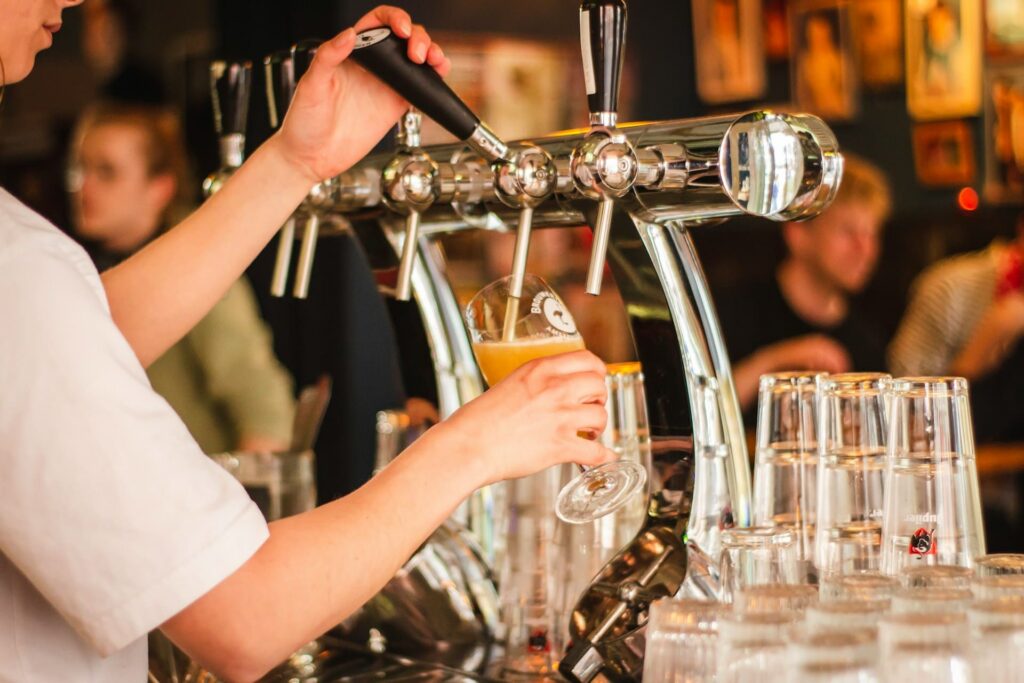
These brewery sales ideas in 2027 focus on moves that can strengthen revenue without asking breweries to abandon what already makes them distinctive.
1. Lean Harder Into the Taproom
Going back to the Brewers Association’s 2026 midyear report, taprooms were the best-performing brewery type by volume in the first half of 2026, while craft volume overall declined 4%. It remains one of the few sales channels a brewery can control almost end to end.
Breweries can use it as a testing ground for new releases, a direct sales channel, and a relationship-building space. Events, food pairings, brewery tours, seasonal menus, live entertainment, and taproom-only beers can give customers a reason to visit and return.
Limited releases can also create a stronger sense of discovery. A brewery that turns an ordinary visit into an experience has more opportunities to increase basket size through food, merchandise, takeaway beer, and repeat visits.
2. Shift Toward Draught Where Possible
Draught deserves closer attention as breweries reconsider their channel mix. The Brewers Association also found that distributed draught gained 0.5 percentage points of channel share during the first half of 2026.
Meanwhile, distributed packaged product lost 0.4 points. The association linked that to opportunities created amid wholesaler consolidation and portfolio rationalisation.
Draught also remains highly relevant in bars and other on-premise venues. Brewers Association data shows craft beer has historically over-indexed on draught at bars, where craft accounted for around 80% of craft volume over the past decade.
Breweries can respond through stronger relationships with bars, better keg rotation, staff education, tasting events, and dependable draught quality. A beer that moves quickly on tap gives an account a good reason to order it again.
3. Build or Strengthen Direct-to-Consumer Beer Sales Channels
Direct-to-consumer sales give breweries something distribution cannot always provide: greater control over the customer relationship.
An online shop, compliant shipping programme, membership club, click-and-collect service, or local delivery operation creates another route to revenue alongside traditional wholesale.
Breweries should assess local licensing and shipping rules before expanding this channel. A strong DTC operation can also generate valuable customer data.
Purchase history, location, product preferences, and reorder behaviour can help breweries develop more relevant offers instead of sending the same promotion to everyone.
4. Get Genuinely Precise About Pricing
A brewery cannot build effective craft beer sales strategies around revenue alone. It needs to know what each SKU actually contributes.
True cost of goods sold should account for labour, ingredients, packaging, utilities, production overhead, waste, and other relevant expenses. That level of detail can reveal margin erosion before it becomes a larger financial problem.
The same analysis can expose differences between formats. A 12-pack might generate strong revenue but weak contribution, while a keg or six-pack could produce a healthier return under the right channel conditions.
Competitor pricing can provide context, but it should not replace a brewery’s own cost and margin analysis.
5. Build Long-Term Wholesale Beer Sales Strategy
Wholesale relationships need more attention than a list of accounts and delivery schedules. Breweries can strengthen them through dependable service, realistic sales targets, useful account information, and regular communication with distributor teams.
Release planning matters, too. A brewery with limited production capacity should decide which markets and accounts deserve priority rather than sending every new product everywhere.
Limited beers can create additional leverage when breweries allocate them thoughtfully. A distributor that knows which accounts can sell a particular release has a clearer reason to support it.
Over time, consistent execution can give a brewery a stronger position when new opportunities appear.
6. Use Limited Releases and Collaborations Strategically
New beer can create a sales reason that a static lineup cannot. Limited releases, seasonal products, collaborations, and anniversary beers give customers something new to discover while giving sales teams a fresh conversation starter.
Collaborations can also introduce a brewery to another producer’s audience. The strongest partnerships have a natural connection rather than existing solely for novelty. A shared ingredient, local connection, brewing technique, charity, restaurant, or cultural event can give the release a story customers understand.
Scarcity also needs discipline. Releasing too many “limited” beers can make scarcity feel routine. A smaller number of distinctive launches can create stronger anticipation and give distributors, retailers, and direct customers a reason to reorder.
7. Invest in Connected, Real-Time Sales Data
Better beer does not automatically produce better sales. A brewery can make an excellent product and still struggle if its inventory, ordering, production, and sales information sit in separate systems.
Connected data gives sales teams a clearer picture of what is actually happening. Point-of-sale information, online orders, inventory levels, production schedules, and account performance can reveal which products move fastest, where stockouts occur, and which accounts consistently reorder.
Large beverage companies have already demonstrated the value of connected B2B ordering and sales platforms at scale. Smaller breweries do not need enterprise-level technology to adopt the underlying principle.
Even a well-integrated set of practical tools can give management a much clearer view of demand and inventory.
8. Target the Right Package Format for the Right Channel
Every package format carries different costs, customer expectations, and sales opportunities. A brewery should evaluate formats according to the channel instead of assuming every beer deserves the same treatment.
Draught may make sense for a high-volume bar account, while a four-pack or six-pack could suit a specialty retailer. Larger multipacks may appeal to value-conscious shoppers, while singles can work for discovery-oriented purchases.
The objective is not to produce every possible format. It is to identify the combinations that generate acceptable margins and reliable demand, then allocate production capacity accordingly.
9. Prioritise Retail Accounts With Genuine Fit, Not Just Any Listing
A retail listing only matters if the beer can actually sell there. As retailers reduce craft SKU counts, breweries can waste significant time pursuing accounts where the customer base, price point, location, or style preferences do not match the product.
Account selection should consider more than store size. A smaller retailer with a strong local following may provide better repeat sales than a large chain where the beer receives little attention.
Sales teams can assess factors such as:
- Customer demographics
- Existing craft selection
- Average price points
- Product rotation
- Geographic proximity
- Promotional support
That approach turns retail prospecting into a targeted exercise rather than a numbers game.
10. Sell the Story, Not Just the Beer
A customer sees more than a liquid inside a can or glass. The brewery’s suppliers, ingredients, people, location, brewing methods, partnerships, and history can all add meaning to the purchase.
Premium positioning works best when the story is genuine and connected to the product. A beer made with a distinctive local ingredient, an unusual fermentation process, or a meaningful collaboration has something more to communicate than its ABV and style.
The story can appear across taproom menus, packaging, social content, retailer displays, tasting events, and sales presentations. Strong storytelling gives customers a clear reason to remember the beer and choose it again.
None of these ten craft beer sales strategies requires a brewery to abandon what makes it distinctive. They need real discipline and better data around decisions that, for many breweries, have historically relied too heavily on instinct alone.
Quick Tips Before Trying Any of These Craft Beer Sales Strategies
Before putting these craft beer sales strategies into practice, look at what already works, where money gets lost, and which relationships have room to grow.
- Start where returns are already strongest. For many breweries, the taproom offers the clearest and most immediate sales opportunity. Strengthening that channel first can make more sense than spending heavily to build an entirely new one.
- Know the real cost of every beer. Accurate cost visibility gives breweries a firmer basis for pricing and SKU decisions. Guessing at margins can quickly turn growth into an expensive exercise.
- Choose retail accounts carefully. A smaller group of well-matched retailers can consistently outperform a long list of accounts that lack the right customers, price points, or sales potential.
- Treat distributors as long-term partners. Trust, communication, reliable execution, and consistent account support can matter considerably as distributors consolidate their portfolios.
- Track what actually happens. Sales teams should monitor revenue, margins, reorder rates, inventory, and channel performance regularly. Real-time data can show which tactics generate results and which ones only look promising.
Brewery Sales Ideas 2027: Smarter Tactics, Not Just Harder Selling
The craft beer market in 2027 will reward precision, genuine relationships, and real data more than volume or hustle alone. Breweries that know their margins, focus on the right channels, and build stronger customer and distributor relationships can create more sustainable sales opportunities.
The Beer Post connects breweries, pubs, and bars with industry news, opportunities, and audiences that can support growth in a tighter market. Contact The Beer Post to discover how we can help your business reach the right buyers!