
Finding reliable vendors is one of the biggest challenges new brewery owners face. Equipment, ingredients, packaging, utilities, and support services often all come from different providers.
Thus, having a network of contractors that meets both current needs and plans can be really taxing, especially if you do not know where to start.
Companies already operating in the brewing supply chain can also benefit from a deep dive into this ecosystem. It highlights where their products or services fit and illustrates the many supplier relationships that breweries manage simultaneously.
Choosing the right partners early helps create a smoother brewing operation while reducing costly mistakes as production expands.
This guide covers everything from the important considerations before opening day to the essential supplier categories every brewery needs. Explore where to find trusted craft brewery suppliers, how to evaluate potential partners, and how to build a supplier network that supports sustainable growth.
How to Start a Craft Brewery: The Foundations Before the First Brew
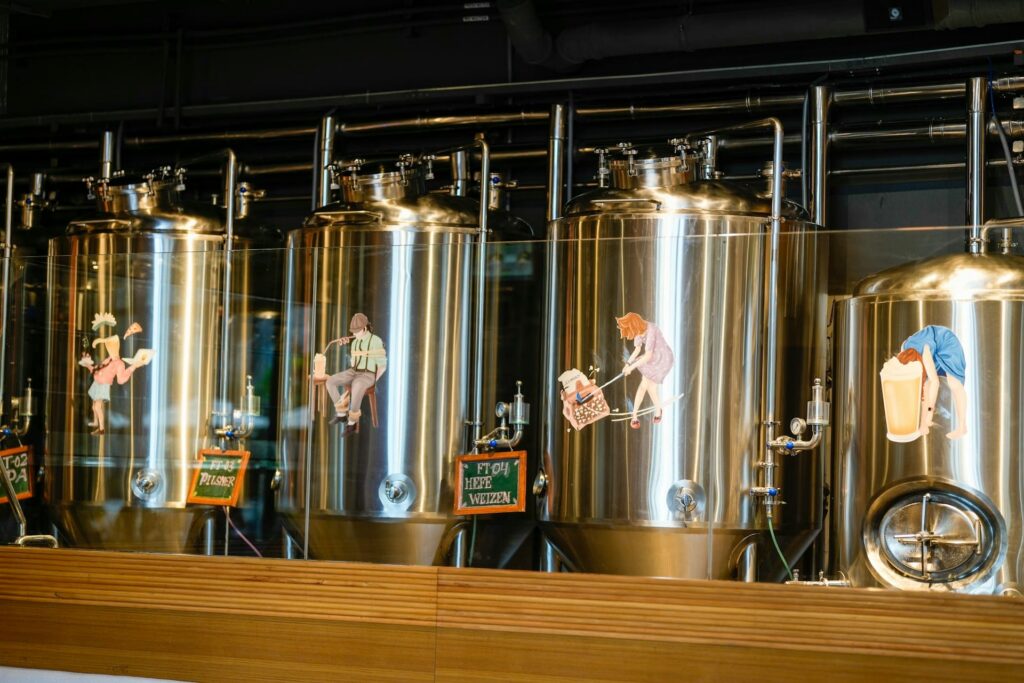
Strong foundations help avoid unnecessary costs and make it easier to select contractors that support long-term growth.
Define Your Production Model and Scale
The brewery’s production model influences almost every supplier decision. A taproom-focused microbrewery has very different priorities than a production brewery supplying wholesalers or retailers.
Production volume, sales channels, and expansion plans all affect the type and size of equipment, ingredient sourcing, and packaging solutions required. Deciding early helps prevent high-cost investment in equipment that exceeds current needs or falls short as demand grows.
Understand Your Regulatory Requirements
Every brewery must understand local licensing and compliance requirements before contacting suppliers. Regulations differ across countries and can influence equipment specifications, production processes, and record-keeping.
For example, breweries in the UK require Alcoholic Products Producer Approval through HMRC, US breweries must obtain a Brewer’s Notice from the TTB, and breweries in Singapore need approval under the Excise Factory Scheme administered by Singapore Customs.
Secure Your Premises and Utilities
Brewing requires substantial access to water, power, drainage, and floor space. The chosen premises should accommodate brewing vessels, fermentation tanks, cold storage, packaging equipment, and waste management systems.
A suitable facility allows craft brewery suppliers to recommend equipment that fits the available layout and infrastructure.
Build Your Budget Around Your Full Supplier Network
Equipment often represents only part of the overall investment. Breweries also need to budget for recurring expenses such as:
- Ingredients
- Packaging materials
- Cleaning chemicals
- Logistics
- Maintenance
- Regulatory compliance
Looking at the complete supplier network creates a more realistic financial plan and reduces the risk of unexpected operating costs.
Start With a Core Recipe Range
The planned beer styles also impact supplier requirements. A brewery producing crisp lagers will require different ingredients, fermentation practices, and equipment than one specialising in mixed-fermentation sour beers or heavily hopped IPAs. Defining a focused core range helps narrow supplier choices and supports consistent product quality.
Once these foundations are in place, building the supplier network becomes the next priority. Most new owners quickly discover that the brewing supply chain extends far beyond equipment alone, making careful supplier selection an important part of long-term success.
List of Essential Craft Brewery Suppliers

Behind the scenes, a brewery depends on a network of craft brewery suppliers that support every stage of production. The right partners can have just as much influence on quality, efficiency, and future growth as the recipe itself.
That network spans five broad categories discussed below:
Craft Brewery Ingredients Suppliers
Ingredients represent one of the largest ongoing operating expenses for any brewery. Reliable craft brewery ingredients suppliers are crucial in maintaining consistency across every batch while supporting seasonal releases and production growth.
Strong supplier relationships also improve forecasting, inventory planning, and access to specialised ingredients throughout the year.
Malt
Malt provides the fermentable sugars that yeast converts into alcohol while contributing colour, body, sweetness, and flavour. Different malt varieties allow brewers to create everything from pale lagers to rich stouts.
Work with suppliers that deliver consistent malt quality, detailed product specifications, and dependable availability throughout the brewing calendar.
Hops
Hops contribute bitterness, aroma, and distinctive flavour characteristics that define many beer styles. Popular hop varieties often experience strong demand, making long-term planning increasingly important for growing breweries.
Reliable suppliers offer transparent sourcing, dependable quality control, and options that support both flagship beers and seasonal releases.
Yeast
Yeast does far more than produce alcohol. It creates esters, phenols, and other flavour compounds that mould the finished beer’s character. Healthy yeast also supports reliable fermentation performance and consistent production.
Look for retailers that provide fresh cultures, technical guidance, and clear handling recommendations to maintain yeast health between batches.
Water Treatment
Water forms the largest ingredient in beer, making its mineral composition highly influential. Different beer styles often benefit from different water profiles, so many breweries adjust their brewing liquor before production begins.
Suppliers specialising in water treatment products can provide filtration systems, mineral additions, and testing solutions that help breweries produce consistent results across multiple recipes.
Adjuncts and Flavouring
Many craft breweries expand their range through fruit, spices, herbs, lactose, coffee, cacao, or other speciality ingredients. These additions create unique flavour profiles but also introduce additional quality considerations.
Breweries should source adjuncts through suppliers that provide consistent product quality, reliable traceability, and ingredients suitable for food production.
Craft Brewery Suppliers for Heated Equipment
The hot side covers every stage of brewing before fermentation begins. This is where malted grain is mashed, wort is boiled, and the brewing process takes place. For most breweries, this represents the largest upfront investment, making supplier selection particularly important.
Reliable brewing equipment suppliers should offer durable systems, technical support, and equipment that matches both current production goals and future expansion plans.
Mash Tun
The mash tun begins the brewing process by mixing crushed malt with hot water to convert starches into fermentable sugars. Temperature stability is critical, as even small fluctuations can affect wort composition and the finished beer.
Breweries should look for suppliers that manufacture well-insulated vessels capable of maintaining consistent mash temperatures while allowing efficient mixing and grain separation.
Brew Kettle
The brew kettle drives several essential brewing processes, including boiling the wort, adding hops, and removing unwanted volatile compounds. Its design influences evaporation rates, hop utilisation, and flavour development.
Suppliers should provide kettles built for efficient heating, reliable circulation, and straightforward cleaning to support consistent brewing performance over time.
Heat Exchanger
Freshly boiled wort must cool rapidly before yeast can begin fermentation. Plate heat exchangers remain the preferred solution because they transfer heat quickly while limiting the risk of contamination.
Breweries should prioritise suppliers offering equipment that delivers efficient cooling, integrates easily into the brewhouse, and supports routine maintenance.
Craft Brewery Suppliers for Cooled Equipment
The cold side begins once the wort reaches fermentation temperature. Fermentation, conditioning, filtration, carbonation, and product transfers all occur during this stage, making equipment reliability essential to producing consistent beer.
Selecting suitable cold side suppliers allows breweries to maintain product quality while supporting different beer styles and production schedules.
Fermentation Vessel
Fermentation vessels provide the controlled environment where yeast transforms wort into beer. Tank geometry, construction quality, and temperature control all influence fermentation performance and product consistency.
Choose suppliers offering vessels that match planned batch sizes while allowing room for future production increases.
Brite Tank
Brite tanks hold finished beer before packaging or serving. Carbonation, conditioning, and temporary storage all occur at this stage, making sanitation and pressure control especially important.
Good suppliers provide tanks designed for easy cleaning, dependable pressure management, and efficient product transfers that minimise oxygen exposure.
Glycol Chiller and Temperature Control
Precise temperature management supports healthy fermentation and consistent flavour development. Glycol chillers circulate chilled liquid through tanks to maintain target temperatures throughout fermentation and conditioning.
Seek suppliers capable of designing systems that meet current cooling demands while accommodating additional tanks as production expands.
Filtration Suppliers
Many breweries produce naturally hazy beers, but others require bright, clear products or longer shelf life through filtration. Filtration equipment removes unwanted particles while preserving the beer’s intended character.
Suppliers should offer systems suited to the brewery’s production volume and preferred beer styles without adding unnecessary complexity.
Brewery Packaging Suppliers
Packaging protects the beer while introducing the brand to customers for the first time. Experienced brewery packaging suppliers help breweries preserve freshness, improve operational efficiency, and present a professional image across every sales channel.
Packaging decisions also influence transportation, storage, sustainability goals, and production costs.
Can and Canning Line
Cans have become the preferred packaging format for many craft breweries because they protect beer against light exposure while remaining lightweight and easy to transport.
Smaller breweries often begin through contract canning before investing in dedicated equipment. Craft brewery suppliers should offer solutions that align with production volumes while allowing room for future expansion.
Bottle and Glass
Glass bottles remain popular for premium products, speciality releases, and traditional beer styles. Bottle shape, colour, and closure systems all influence presentation and product protection.
Breweries should select suppliers capable of delivering consistent quality, dependable lead times, and packaging options that complement the brewery’s branding.
Keg
Kegs remain essential for pubs, bars, restaurants, and taprooms. Durable construction, dependable fittings, and straightforward maintenance all contribute to efficient draft beer service.
Suppliers should provide kegs designed for repeated use while supporting cleaning, transport, and durability over time.
Label and Packaging Design
Packaging communicates far more than a brewery’s logo. Labels must meet legal requirements for alcohol content, allergens, producer details, and other mandatory information, while also standing out on crowded shelves.
Breweries should look for suppliers offering high-quality printing, durable materials, and design expertise that balances compliance and brand identity.
Cleaning and Sanitisation
No brewery can produce high-quality beer without rigorous hygiene standards. Cleaning chemicals, sanitising products, and specialised cleaning equipment protect product quality throughout the brewing process.
Reliable suppliers should provide brewery-specific solutions, clear usage guidance, and products compatible with brewing equipment to support effective cleaning routines without damaging production systems.
Where to Find Brewery Suppliers
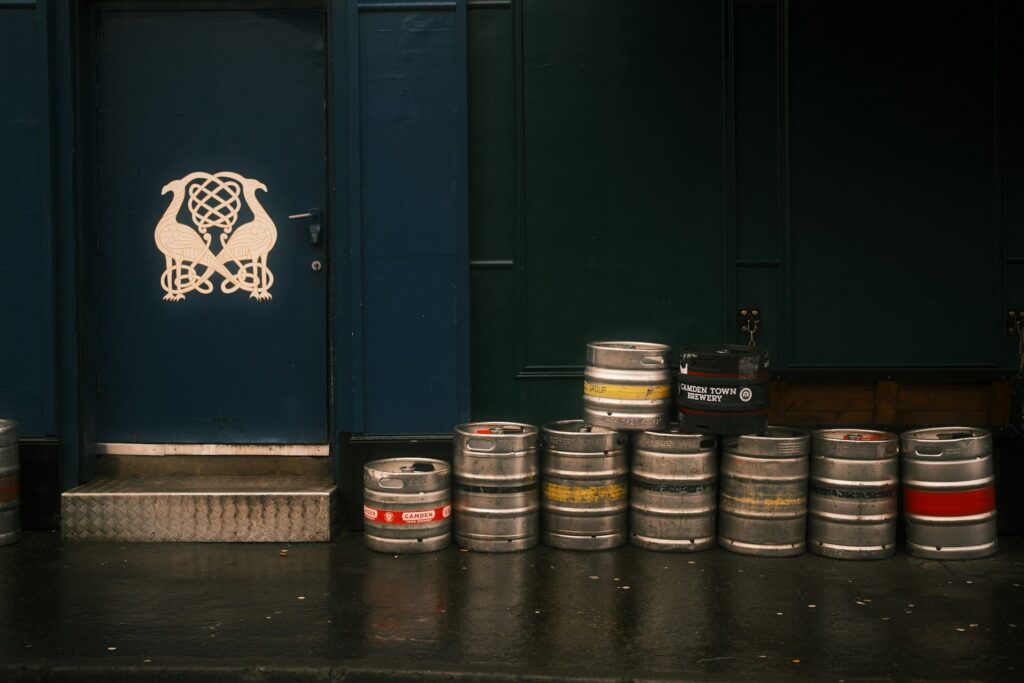
Finding the right suppliers takes research, conversations, and time. While online searches can provide a starting point, breweries gain far more value through industry connections and trusted recommendations.
Exploring multiple sources helps compare options, get to know the market further, and identify craft brewery suppliers that align with production goals and long-term plans.
Industry Trade Shows and Events
Trade shows remain one of the fastest ways to meet a wide range of suppliers in one place. Events like the following bring together equipment manufacturers, ingredient producers, packaging companies, and service providers under one roof:
- Craft Brewers Conference (United States)
- BrauBeviale (Germany)
- SIBA BeerX (United Kingdom)
Craft Beer Festivals also often host trade sessions for industry professionals. They create valuable opportunities to see products firsthand, ask technical questions, and compare solutions before making purchasing decisions.
Industry Associations
Brewing associations provide an excellent starting point for supplier research. Organisations like the ones below maintain supplier directories, member resources, and networking opportunities:
- Brewers Association in the United States
- SIBA in the United Kingdom
- Canadian Craft Brewers Association
- Independent Brewers Association in Australia
New brewery owners can use these trusted industry networks to identify reputable suppliers and build valuable professional connections.
Industry Publications and Platforms
Specialist brewing publications keep breweries informed about developments across the supply chain. Industry platforms, including The Beer Post, regularly feature supplier news, product launches, company profiles, and market insights.
Following respected publications helps brewery owners discover new suppliers, learn about emerging technologies, and stay current on trends shaping the brewing industry.
Peer Recommendations and the Brewing Community
Craft brewing has built a reputation for collaboration. Experienced brewery owners often share supplier recommendations, discuss past experiences, and introduce new operators to trusted contacts.
Homebrewing forums, LinkedIn groups, and national brewing association communities all provide valuable opportunities to gather practical advice that extends beyond product specifications and marketing materials.
Direct Outreach and Sampling
Direct communication allows breweries to evaluate potential suppliers before making long-term commitments. Ingredient suppliers, in particular, commonly provide samples of malt, hops, and yeast so breweries can test quality and compatibility with their recipes.
Early conversations also help establish productive working relationships, making future purchasing discussions smoother as production grows.
Build the Right Craft Brewery Suppliers Network…and Do It Early
Reliable craft brewery suppliers support every stage of production, from consistent malt deliveries and precision brewing equipment to dependable packaging and effective cleaning and sanitation products.
Strong supplier relationships help breweries maintain quality, improve efficiency, and adapt as production grows.
Supply chain companies can also take an important lesson from this process. Breweries continually review and expand their supplier networks at every stage of growth, making visibility, credibility, and accessibility essential for earning new business.
Appearing in the places where brewery owners research products and services creates valuable opportunities to build lasting partnerships.
The Beer Post connects craft breweries and supply chain companies across the globe, making it one of the most direct ways to reach brewery buyers actively sourcing the products and services covered in this guide. Malt suppliers, packaging specialists, cleaning chemical providers, and cold-chain logistics companies can all benefit.
Explore what The Beer Post can do for your business here.