
Every brewery reaches a point where taproom sales and direct-to-consumer purchases can no longer carry the business alone.
Long-term growth depends on business-to-business (B2B) sales, where recurring orders come from businesses instead of occasional customer visits. Strong wholesale relationships create more predictable revenue, expand brand visibility, and open doors to new markets that a taproom alone cannot reach.
As per Fortune Business Insights’ study on the Global Beer Market, the beer sector is projected to reach $1,275.52 billion by 2034. The off-trade segment is expected to account for 56.71% of the market in 2026, as more and more consumers seek affordable ways to purchase beer.
On-trade demand, on the other hand, continues to grow in developed economies where entertainment remains part of the drinking experience. These market trends highlight why breweries should diversify their sales channels rather than relying on a single source.
In this article, we’ll dig into the typical process for B2B sales for breweries and highlight ten types of businesses worth targeting. We’ll also share some practical tips for winning more accounts and growing steady revenue.
B2B Sales Process Breweries Follow
Successful partnerships come from following a structured sales process that helps businesses identify the right opportunities, build trust, and create lasting business relationships.
Every stage of B2B sales for breweries moves a prospect closer to becoming a reliable wholesale customer.
Identify and Qualify the Right Prospects
Every sales effort starts by identifying businesses that are genuinely good fits. Before investing time in outreach, a brewery should evaluate the following:
- Purchase volume
- Beer style preferences
- Location
- Delivery logistics
Qualifying prospects early helps sales teams focus on businesses that match their capabilities instead of chasing poor-fit opportunities. Breweries looking to understand who buys craft beer wholesale should prioritise prospects that already serve craft beer drinkers or want to expand their beverage selection.
Research and Understand Their Needs
Preparation often determines the outcome of the first conversation. Stats from 6sense’s 2025 Buyer Experience Report shows, 80% of B2B buyers define their purchase requirements before speaking to a sales representative.
That makes researching a prospect’s menu, customer base, pricing strategy, and current beer selection essential. Better preparation allows breweries to speak directly to the priorities of B2B sales customers instead of delivering a generic sales pitch.
Make First Contact With a Clear Value Proposition
Initial outreach should immediately answer one question: why should this business carry this brewery’s beer?
A personalised email, phone call, or face-to-face introduction should highlight a specific benefit, such as filling a gap in the beer menu, appealing to local customers, or offering seasonal products that complement existing selections.
Present the Product and Handle Questions
Product presentations usually include tastings, sample deliveries, or formal meetings. Buyers commonly ask about pricing, delivery schedules, minimum order quantities, product availability, point-of-sale materials, and staff training. Clear, confident answers help remove uncertainty and build credibility.
Negotiate Terms
Once interest develops, both sides discuss pricing, payment terms, delivery frequency, and any exclusivity arrangements. Many breweries also use the BANT framework (ie., budget, authority, need, and timeline) to determine if a prospect is ready to move ahead or requires additional discussions before committing.
Close the Deal and Onboard the Account
Closing the sale marks the beginning of the relationship, not the end. The first order is confirmed, delivery schedules are established, invoices are arranged, and the reordering process is explained.
Clear and transparent onboarding creates a smoother experience for new brewery wholesale accounts and reduces confusion after the first shipment.
Follow Up and Maintain the Relationship
Consistent communication keeps business accounts engaged long after the initial order. Data from SalesPlay revealed that 48% of salespeople never make a single follow-up attempt after first contact, leaving valuable opportunities untapped.
Regular check-ins, new product recommendations, seasonal releases, and quick responses to concerns help strengthen relationships and encourage repeat business.
None of these steps is unique to the brewing industry, but in-depth knowledge is what separates a brewery that grows its B2B channel deliberately from one that grows it by accident.
B2B Sales for Breweries: 10 Types of Businesses Worth Targeting
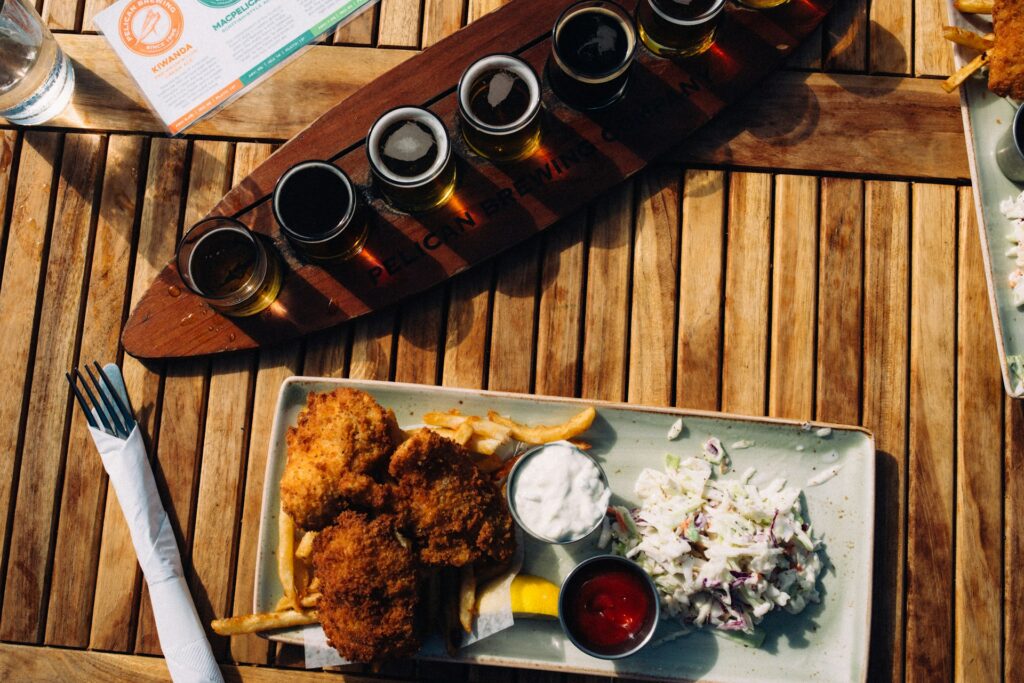
A well-planned brewery sales strategy focuses on finding partners whose customers already appreciate quality beer and whose purchasing habits support long-term growth. Some opportunities are well established, while others remain surprisingly overlooked.
1. Restaurants and Pubs
Restaurants and pubs continue to be the most natural wholesale partners for breweries. Guests increasingly expect beverage menus that pair well with food, giving craft breweries an opportunity to stand out alongside mass-market brands.
A thoughtfully selected beer lineup can complement a chef’s menu, encourage food pairings, and improve the overall dining experience.
This relationship also benefits both businesses over time. Restaurants gain unique offerings that distinguish them from nearby competitors, while breweries receive repeat orders instead of relying solely on weekend taproom traffic. Regular communication about seasonal menus and new releases keeps the partnership fresh and profitable.
2. Hotels and Resorts
Hospitality businesses have evolved toward showcasing local experiences, and beverages have become crucial in that trend. Many hotels and resorts now look for regional products that give guests a stronger sense of place instead of offering only familiar international labels.
It creates valuable opportunities for B2B sales for breweries. Supplying local craft beer lets hotels elevate their restaurants, bars, minibars, and guest experiences while giving breweries access to dependable, higher-volume hospitality accounts.
3. Event Planners and Caterers
Private events offer another promising sales channel. Weddings, corporate gatherings, festivals, and milestone celebrations often require beverage packages custom-made to the occasion. Craft beer can become part of that experience instead of simply filling the drinks menu.
Custom labels, event-exclusive brews, or personalised packaging create memorable experiences that event planners can promote to future clients. Successful partnerships often lead to repeat bookings and referrals, allowing breweries to reach entirely new customer groups through trusted event professionals.
4. Retailers and Speciality Stores
Independent bottle shops, speciality beverage retailers, and supermarket craft beer sections allow breweries to reach customers long after they leave the taproom. Shoppers visiting these stores are often looking specifically for new breweries, seasonal releases, and limited-edition products they cannot find elsewhere.
Fresh inventory rotations help maintain customer interest while giving retailers exciting products to showcase. Limited batches, collaboration beers, and exclusive retail releases frequently perform well because they encourage repeat visits and impulse purchases.
5. Offices and Workplace Perks
Many companies now include social gatherings, employee appreciation events, and client entertainment as part of workplace culture. Craft beer has naturally found a place in office happy hours, celebrations, and networking events.
Breweries can capitalise on this demand through periodic delivery programs tailored to businesses. Weekly or monthly subscriptions create predictable revenue while giving office managers a simple solution for stocking beverages during internal events and client meetings.
6. Corporate Gifts and Promotions
Corporate gifting remains one of the most overlooked opportunities for breweries. Businesses regularly purchase gifts for employees, clients, holiday celebrations, product launches, and company milestones. Locally brewed beer offers a memorable alternative to traditional gift baskets or branded merchandise.
Custom packaging featuring company logos or event branding adds another level of personalisation. This niche often delivers attractive profit margins while introducing the brewery’s products to recipients who may become future retail or hospitality customers.
7. Collaborations With Other Artisans
Partnerships with complementary producers create opportunities that extend beyond traditional wholesale accounts. Distilleries, wineries, coffee roasters, chocolatiers, bakeries, and cheese makers all bring established audiences that appreciate handcrafted products.
Collaborative releases generate excitement because they combine expertise across industries. They also create valuable marketing opportunities through shared social media campaigns, launch events, and local media coverage. Every collaboration expands brand awareness while introducing both businesses to entirely new customer communities.
8. Food Trucks and Mobile Vendors
Food trucks have become fixtures at festivals, breweries, community markets, and outdoor events. Their flexible business model makes them ideal partners for breweries looking to build local visibility without large distribution commitments.
Pairing craft beer with popular food truck menus creates experiences that encourage customers to stay longer and spend more. Additionally, joint promotions, themed events, and rotating vendor schedules keep visitors returning while helping both businesses reach wider audiences through shared marketing efforts.
9. Airlines and Travel Operators
Travel companies continue searching for ways to make the customer experience more memorable. Premium airlines, rail operators, cruise lines, and airport lounges increasingly feature local products that reflect the destinations they serve.
Craft beer fits naturally into that approach. Offering regional selections helps travel brands create a stronger sense of place while giving breweries valuable exposure to thousands of travellers.
Production capacity and reliable distribution become especially important when pursuing these high-profile partnerships, but the visibility can significantly strengthen brand recognition.
10. Educational Institutions and Alumni Associations
Universities, alumni organisations, sports clubs, and reunion committees frequently organise fundraising events, celebrations, and networking functions. Many of these occasions include branded merchandise or locally inspired products that reinforce school pride and community connections.
Custom-labelled beer designed for anniversaries, alumni weekends, or championship celebrations gives organisers something distinctive to offer attendees. Successful projects often lead to rolling annual orders and additional partnerships across affiliated organisations.
The breweries achieving the strongest long-term growth rarely focus only on the most obvious buyers. They actively explore overlooked opportunities that competitors have yet to pursue.
Expanding B2B sales for breweries often comes down to identifying the right partners, building meaningful relationships, and staying open to channels that create recurring business year after year.
B2B Sales for Breweries: Tips for Closing More Deals
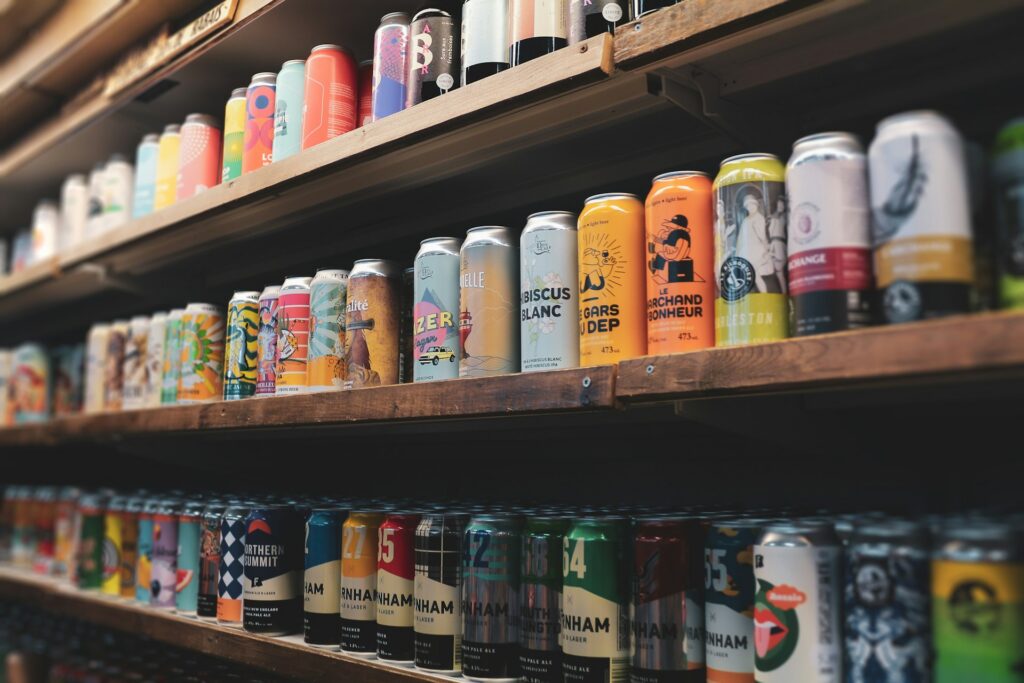
Finding qualified prospects is only half the job. Turning those opportunities into steady business accounts requires consistent communication, thoughtful timing, and a sales approach that focuses on building trust instead of rushing decisions.
Lead With a Sample, Not a Spreadsheet
Great beer sells itself once people taste it. In B2B sales for breweries, offering samples before discussing pricing often creates a stronger impression than leading with product sheets or wholesale rates.
Decision-makers can better understand the brewery’s quality and unique character after experiencing the beer firsthand.
Be Patient With the Sales Cycle
Restaurant, hotel, and retail partnerships rarely happen overnight. According to RemoteReps, the average B2B sales cycle lasts between three and nine months. Brewery owners who expect quick decisions often become discouraged, while those who plan for a longer timeline can forecast growth more realistically.
Follow Up More Than Feels Comfortable
Persistence matters. Inside Sales Solutions reports that most B2B sales require five to 12 touchpoints to close, and 80% of deals need at least five follow-up interactions. Staying visible through thoughtful check-ins keeps the brewery top of mind without becoming intrusive.
Make Reordering Effortless
Business customers appreciate convenience. Simple ordering procedures, fast responses, and a dedicated point of contact encourage repeat purchases and strengthen customer loyalty over time.
Bring Something New to the Conversation Regularly
Seasonal releases, limited-edition brews, and collaboration beers create fresh reasons for existing accounts to order again. At the same time, it gives prospective buyers another opportunity to start a partnership.
Track Relationships, Not Just Transactions
Organised sales records help breweries remember past conversations, upcoming follow-ups, and customer preferences. Even a simple CRM or spreadsheet can prevent promising opportunities from slipping through the cracks.
B2B sales for breweries rewards patience, consistency, and genuine relationship-building far more than aggressive pitching. Breweries that treat business customers as established partners instead of one-time transactions create robust relationships and more sustainable growth.
Your Brewery Sales Strategy Should Begin With Knowing Who to Sell To
Successful B2B sales for breweries do not depend on complicated tactics. Growth comes from:
- Following a clear sales process
- Staying patient throughout longer buying cycles
- Looking beyond the usual restaurant and pub accounts
Breweries that consistently expand their wholesale business treat every potential channel as an opportunity to learn, build relationships, and create continuous revenue.
Hotels, retailers, event planners, corporate clients, and other business partners can all contribute to a stronger, more diversified sales pipeline when approached strategically.
Building those partnerships takes persistence, and staying visible throughout the process makes every conversation more meaningful.
The Beer Post helps breweries connect with pub owners, hospitality operators, and industry decision-makers actively searching for new suppliers and collaboration opportunities.
Ready to expand your wholesale reach? Explore what The Beer Post can do for your brewery and start building the business relationships that support continuous growth!