
Camel Beer has broken ground on a roughly US$107 million beer and beverage plant in Cần Thơ, while South Korea’s HiteJinro is preparing to brew Kirin Ichiban locally for the first time. Both moves point to the same regional pattern: brewers are investing in production closer to fast-growing Asian demand.
Together, they highlight how Asia beer market investment is transforming production, supply chains and market access across leading regional beer markets.
Asia Beer Market Investment: Camel Beer’s $107 Million Plant in Can Tho
Camel Beer Co., Ltd broke ground on September 20, 2026, on a $106.78 million beer and beverage plant at Tan Phu Thanh Industrial Park in Cần Thơ. Covering 10.7 hectares, the facility represents a major Vietnam beer plant investment and will strengthen Camel’s production footprint in southern Vietnam.
Phase one requires more than$69.19 million and will deliver an annual capacity of 150 million litres, ahead of commercial production planned for 2027. At full operation, the site is designed to produce 200 million litres of beer and 200 million litres of non-alcoholic beverages each year, giving it a combined capacity of 400 million litres.
Camel general director Nguyen Thanh Long said the Camel Beer Can Tho facility will provide faster access to the Mekong Delta, Ho Chi Minh City and southeastern Vietnam while linking production to the company’s national distribution network.
Expert Market Research forecasts Vietnam’s beer market will reach US$19.27 billion by 2035,2 growing at a 6.6% CAGR between 2026 and 2035.
Asia Beer Market Investment: HiteJinro to Brew Kirin Ichiban Locally in South Korea
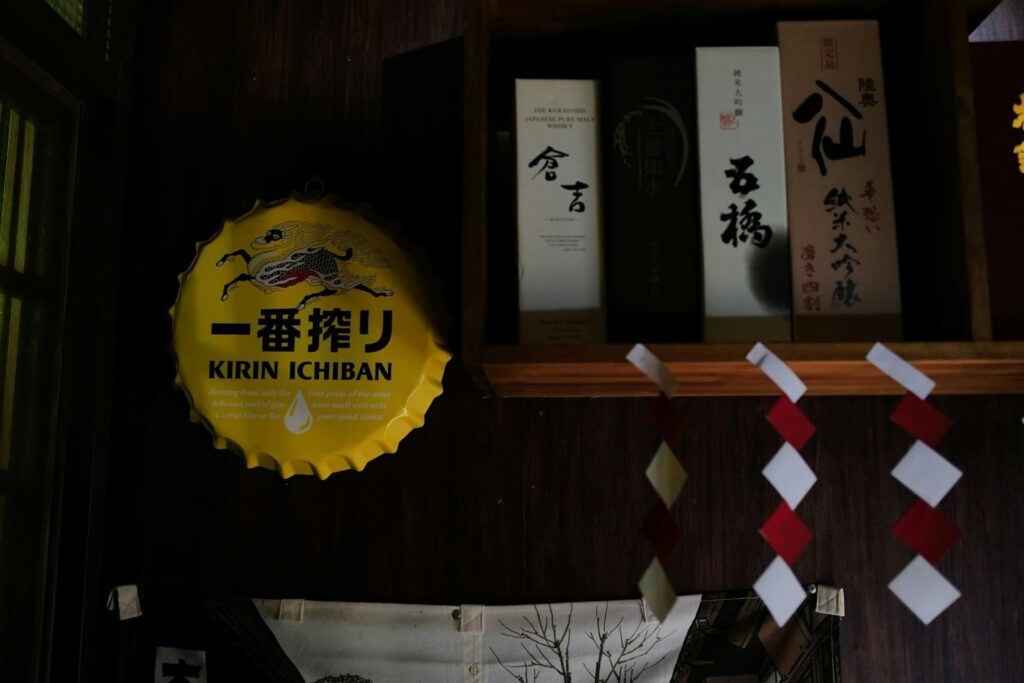
On the other hand, HiteJinro, South Korea’s second-largest domestic beer producer, is preparing to brew Kirin Ichiban locally at its Jeonju brewery in North Jeolla Province.
The company registered the production plan with the Ministry of Food and Drug Safety on September 3, 2026. Trial production has already started, focusing on aluminium cans, while imported Kirin products will continue alongside the locally made beer.
The move comes as demand for Japanese beer reaches new highs in South Korea. Japanese beer imports hit a record 100,322 tonnes in 2025, up 22% year on year. Imports rose another 33.5% during the first half of 2026 to 58,305 tonnes, according to Asia Brewers Network.
HiteJinro has imported Kirin bottled beer since 2004 and secured exclusive Korean import and distribution rights for cans and draught beer in 2011. Local brewing therefore adds a new production model to a relationship built around imports.
Kirin has used local manufacturing elsewhere, including Germany and Russia, citing shorter logistics routes and improved freshness.
For the Kirin Ichiban South Korea launch, local production could give HiteJinro greater supply flexibility while reducing reliance on international freight. The development also illustrates how Asia beer market investment can connect established international brands with growing regional demand.
A Broader Path Toward International Brewery Localisation in Asia
Camel Beer’s new facility in southern Vietnam and HiteJinro’s local production plans for Kirin Ichiban reflect a wider approach to brewery localisation across Asia. Producing closer to consumers can reduce exposure to international freight costs, tariffs and import-price pressures while giving brewers greater control over supply.
HiteJinro’s recent pricing illustrates the pressure. The company raised its supply price for imported 15-litre Kirin Ichiban kegs by 11% from September 1, 2026, citing higher malt, hop and international shipping costs. Thus, local production offers another way to manage those expenses.
Camel’s Cần Thơ plant also has a broader ambition. The facility will serve Vietnam’s domestic market while supporting exports, positioning southern Vietnam as a potential regional production base.
Asia-Pacific remains the fastest-growing craft beer region globally, making local brewing capacity increasingly relevant as international producers seek closer access to expanding markets.
Asia Beer Market Investment: What to Watch Next
The next milestones will centre on production and market rollout. Camel Beer’s Cần Thơ plant is scheduled to begin commercial production in 2027. Meanwhile, HiteJinro has already started trial production of locally brewed Kirin Ichiban, although no wider rollout date has been confirmed.
These developments could offer further signals on how international beer brands build regional capacity.
The Beer Post tracks news, events, and opportunities across the global beer industry. Connect with The Beer Post to stay ahead of the developments within the international beer markets!