
The global craft beer market is entering an exciting period. Mordor Intelligence’s Craft Beer Market Size & Share Analysis report (2026–2031) projects the market will reach $239.61 billion by 2031, growing at a 10.91% CAGR.
International expansion offers one of the clearest routes to that opportunity, but it can also stretch a brewery’s resources, operations, and brand beyond comfortable limits.
For breweries ready to explore new markets, expanding craft brewery overseas requires finding an importer. Moreover, local regulations, consumer preferences, distribution networks, pricing, logistics, and brand positioning can all shape the outcome.
A thoughtful approach can turn international demand into sustainable growth rather than an expensive experiment. This article touches on the ten considerations breweries should address before venturing overseas.
Why Expand into Craft Beer International Markets?

International markets open doors to new customers, strengthen the brand, and create room for smarter long-term growth.
Access to Faster-Growing Markets
Mature domestic markets can become crowded, making overseas opportunities increasingly attractive.
Grand View Research’s Horizon research projects Asia Pacific’s craft beer market to reach $45,257.6 million by 2033, growing at an 8.1% CAGR. Off-trade is also the region’s leading distribution channel.
Diversified Revenue and Reduced Domestic Risk
A brewery that sells across several countries spreads its revenue exposure. A downturn, regulatory change, or consumer preference change in one market has less power to affect the entire business.
That makes a well-planned brewery overseas expansion strategy a practical form of risk management.
Brand Prestige and Premium Positioning
International recognition can strengthen a brewery’s reputation at home. Seeing a beer stocked in bars in Tokyo or São Paulo can give consumers a stronger sense of quality and credibility.
For brands expanding craft brewery overseas, international availability can become part of the story that makes the beer more distinctive.
Economies of Scale
Export demand can increase production volumes, helping breweries lower per-unit costs across operations. Those efficiencies can support healthier margins and, in some cases, more competitive domestic pricing.
Learning and Innovation
New markets introduce breweries to different tastes, drinking habits, packaging expectations, and regulations. Those experiences can inspire new products and ideas that eventually strengthen the brewery’s domestic range.
These benefits only materialise when breweries approach international expansion with genuine preparation, which is exactly what the next section addresses.
10 Things to Consider Before Expanding Craft Brewery Overseas
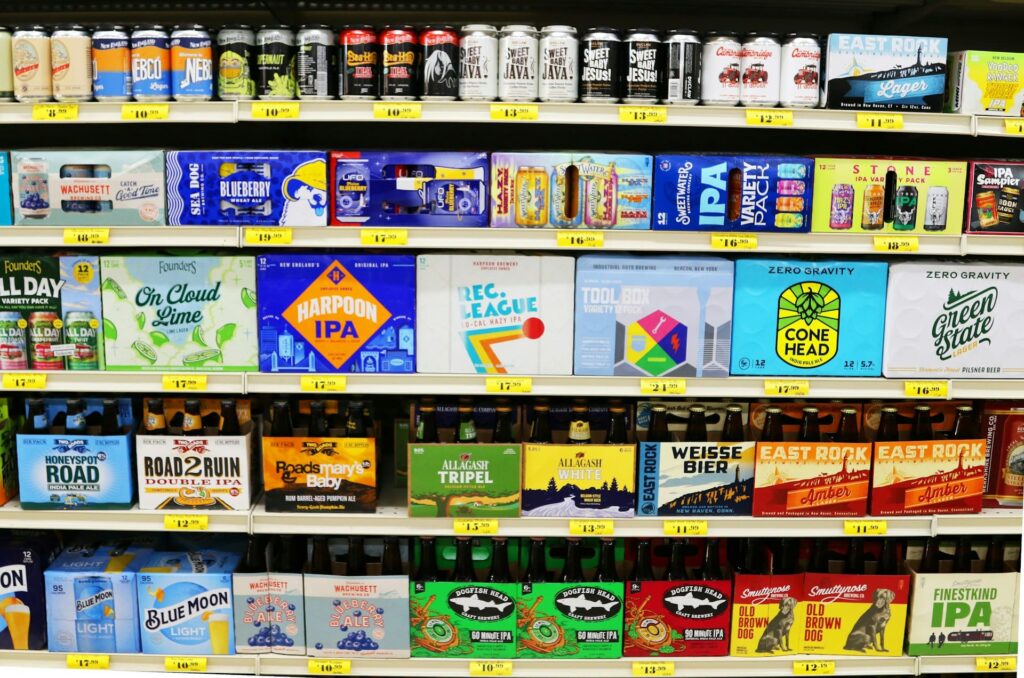
The hard part of taking a business overseas is building a plan that fits the market, protects margins, and keeps the beer true to the brand. Knowing how to export craft beer means looking beyond the export process:
1. Craft Beer Export Market Research and Selection
As part of in-depth research, breweries should examine:
- Per-capita craft beer consumption
- Market trajectory
- Competitive density
- Consumer spending
- Drinking habits
- Cultural interest in artisanal products
Other important things to consider are import duties, retail prices, distribution options, and the strength of on-trade and off-trade channels before committing resources.
Vietnam, India, and Japan currently rank among the fastest-growing craft beer markets, making them worth considering alongside established destinations such as the US and Australia.
The largest market is not always the best choice. A smaller market with strong demand, manageable competition, and reliable distribution may offer better long-term potential.
2. Adaptation of Products
A domestic bestseller does not automatically become an international bestseller. Consumer preferences can differ significantly across borders, including tastes, alcohol strength, bitterness, packaging, serving formats, and price expectations.
Successful international brands often adapt their products instead of assuming one range will work everywhere.
Product adaptation does not require abandoning a brewery’s identity. Market-specific collaborations, limited editions, or locally inspired recipes can help brands test demand while retaining their core character.
3. Regulatory and Legal Considerations
Alcohol regulations vary widely between countries and can affect almost every stage of an export operation. Expanding craft brewery overseas also comes with learning the rules covering:
- Production
- Imports
- Excise duties
- Labelling
- Advertising
- Taxation
- Licensing
- Permitted marketing claims
Singapore’s Excise Factory Scheme, the UK’s Alcoholic Products Producer Approval process, and the US TTB Brewer’s Notice system illustrate how different these frameworks can be.
Specialist local legal, tax, and regulatory advice can help identify obligations before products enter the market. Breweries should also account for approval timelines and compliance costs when calculating their market-entry budget.
4. International Expansion for Breweries’ Distribution and Logistics
Great beer still needs to arrive in good condition at a price customers can accept. Distribution and logistics expenses vary considerably between markets.
Smaller craft breweries can face particular difficulties scaling nationally in countries such as China. The distribution costs combined with cold-chain requirements can make widespread coverage expensive.
A realistic expansion plan should map the entire supply chain before the first order. Freight, insurance, duties, warehousing, distributor margins, temperature control, spoilage risk, and last-mile delivery can all affect the final retail price.
A market may look attractive at brewery-gate pricing but become uncompetitive once every logistics cost enters the calculation.
5. Branding and Marketing
A brewery’s unique identity must be clear to consumers, though the best platforms to reach them differ by market. Local preferences can influence everything from content formats and imagery to influencers, events, and promotional campaigns.
China is one clear example. WeChat, Douyin, and Xiaohongshu are important platforms for brand discovery and consumer engagement, making a local digital strategy essential. A brewery entering the market without one can struggle to build awareness regardless of product quality.
Local marketing expertise can help the brand communicate naturally while retaining the identity that made it successful at home.
6. Cultural Sensitivity
A message that feels completely natural in one country can create confusion or offence in another. Names, colours, imagery, humour, packaging, and advertising language can carry cultural meanings that an overseas team may overlook.
Moreover, religious attitudes towards alcohol, social drinking customs, traditions, and local values can also influence how consumers perceive a beer brand.
Breweries should therefore look beyond literal translation and seek genuine local cultural input. Consultation can reveal problems before a campaign or product reaches the market.
This becomes particularly valuable when developing market-specific packaging, naming products, or creating advertising campaigns that rely heavily on humour, symbolism, or local references.
7. Establishing Partnerships
Few breweries can learn a foreign market as quickly as an established local partner. Importers, distributors, craft beer associations, specialist retailers, hospitality groups, and industry publications can provide knowledge that would take years to develop independently.
Their networks can also help an unfamiliar brewery gain credibility among retailers, venues, and consumers.
A distributor should not be selected solely because it has a large customer base. Breweries need partners with deep knowledge of premium craft beer, who can communicate clearly, protect the brand, and hold realistic expectations about volumes.
A smaller specialist distributor may sometimes offer stronger market development than a large generalist company because it can give the brewery more focused attention.
8. Quality Control and Brewery Overseas Expansion Strategy
International shipping introduces variables that domestic distribution may not. Longer journeys, temperature fluctuations, handling conditions, and extended periods between packaging and consumption can affect beer quality.
Breweries should review packaging strength, shelf life, storage requirements, testing procedures, and temperature management before increasing export volumes.
A robust brewery overseas expansion strategy should also account for what happens after the beer leaves the brewery. Distributors and retailers need clear storage guidance, while the brewery should monitor product condition throughout the supply chain.
Customer feedback can help identify whether quality issues originate in production, transportation, storage, or serving. As a result, the business will be able to address the right part of the process.
9. Patience and Flexibility
International expansion rarely produces immediate results. New markets can require months or years to develop distributor relationships, secure listings, build consumer awareness, and reach sustainable sales.
Aggressive expansion can create financial strain when breweries commit to too many markets, hire ahead of demand, or produce inventory that moves slowly.
A measured approach gives breweries room to learn before committing further resources. Starting in one city, testing a limited product range, or working with a specialist importer can provide useful evidence.
Flexibility matters too. One market may favour cans, another may prefer different beer styles, and a particular channel may deliver stronger returns. The plan should evolve as real-world results emerge.
10. Continuous Evaluation and Improvement
Selling craft beer globally should not end when the first shipment reaches its destination. Successful operators treat market entry as an ongoing process, using results to refine pricing, product selection, distribution, and marketing.
Regular feedback from distributors, retailers, hospitality customers, and consumers can reveal opportunities that initial market research could not identify.
Sales data can show which products perform best, while distributor feedback may uncover pricing or availability problems. Consumer responses can point towards new styles, packaging formats, or collaborations.
Regular reviews also help breweries decide where to invest further and where to step back, keeping international growth tied to evidence rather than assumptions.
Expanding Craft Brewery Overseas Is a Long Game, Play It Well
International expansion can unlock new customers, stronger revenues, greater brand recognition, and valuable opportunities to innovate. Yet expanding craft brewery overseas demands more than ambition.
The breweries that build lasting international presence treat the above list as essential parts of the process. A thoughtful approach gives breweries room to learn, adapt, and grow without stretching resources too far.
International success doesn’t happen overnight, but careful preparation can turn a promising market into a sustainable one.
The Beer Post covers craft beer markets across the UK, US, Asia-Pacific, and Europe, connecting breweries with audiences, partners, and industry intelligence for international growth.
Get in touch with The Beer Post today and explore how we can help you!