
Inflation remains a daily challenge for craft breweries. Small and midsize producers must look beyond simple cost-cutting to safeguard their profit margins.
The right cost-saving strategies for breweries can help control spending without compromising beer quality, customer experience, or long-term goals.
In this article, The Beer Post highlights 20 practical ways owners can reduce brewery operating costs and strengthen operations in today’s upscale environment.
How Craft Brewery Inflation and Rising Costs Are Squeezing Businesses
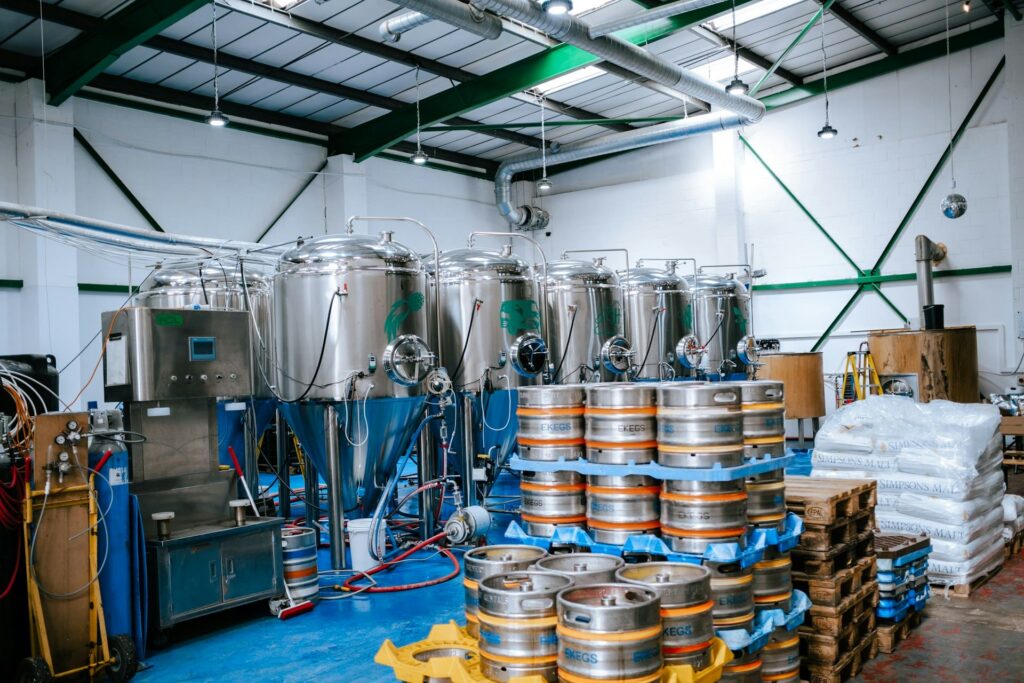
Breweries face pressure at almost every stage of production, making effective cost-saving strategies for breweries more important than ever.
Prices of Raw Materials Keep Climbing
Malt, hops, yeast, and other ingredients remain major expense drivers. StatBeer reports that barley malt prices rose 5% to 7% from 2024 levels as tighter supply chains and global grain-market fluctuations pushed prices higher.
Base malts now cost around $0.22–$0.28 per kilogram, while speciality malts can reach $1.50 per kilogram or more. Raw materials can account for 30% to 40% of total brewing costs, leaving breweries highly exposed to commodity price movements.
Packaging Rates Have Surged Due to Tariffs
Packaging has become another headache. Aluminium prices and tariff-related costs have pushed can prices higher, while breweries have limited flexibility to replace cans quickly.
S&P Global’s study revealed that input costs in 2025 increased by 10% to 15%. Craft breweries rely heavily on cans, which represented nearly three-quarters of craft beer containers sold in 2025.
Energy and Labour Charges Add Further Pressure
Brewing consumes substantial electricity and gas, while transportation adds another expense as beer, ingredients, and packaging move through the supply chain.
Labour fees create additional pressure as breweries compete for workers and raise wages alongside living costs. Every increase can chip away at margins.
Regulatory and Duty Changes Compound the Problem
Government policy adds another layer of uncertainty. In the UK, alcohol duty rates changed on February 1, 2025, ending the previous freeze for non-draught products and introducing inflation-linked increases.
On the other hand, Australia took a different approach, freezing draught beer excise indexation for two years from August 2025.
Contraction Across the Industry
The Brewers Association’s 2025 Year in Beer report identified changing consumer behaviour, retailer rationalisation, inflation and tariff-driven cost increases, and intensifying competition as compounding challenges. Its midyear estimate put craft volume 5% lower year over year.
None of these pressures sits within a single brewery’s control, but how one responds to them is, and that is exactly what the next section addresses.
20 Practical Cost-Saving Strategies for Breweries

Small savings can make a noticeable difference when a brewery operates on tight budgets. Learning how to reduce brewery costs does not always mean making dramatic cuts. Often, the biggest gains come from tightening everyday processes:
1. Use a Just-in-Time Inventory System
This helps a craft brewery order ingredients according to actual customer demand rather than filling the storeroom far in advance. It can reduce spoilage and prevent working capital from sitting in excess stock.
Malt, hops, yeast, and other ingredients can lose value when they remain unused for too long. Volatile malt and hop prices also make over-ordering a bigger financial gamble.
Breweries can review sales forecasts, production schedules, and historical demand before placing orders. A well-managed system can keep enough stock available for upcoming production without turning the storeroom into an expensive warehouse.
2. Leverage Brewery Management Technology
Technology can take a lot of manual work out of brewery operations. Management software can bring inventory tracking, billing, accounting, production planning, and reporting into one system. Thus, consolidation reduces the administrative workload and gives owners a clearer view of where money is going.
Real-time inventory data can also help breweries spot purchasing problems before they become expensive. A manager who knows exactly how much malt, packaging, or finished beer remains can make more informed decisions.
For businesses looking to control brewery operating costs, the right technology can deliver savings through better visibility as well as reduced administrative labour.
3. Negotiate Supplier Contracts Proactively
A brewery does not have to accept every supplier price increase at face value. Open conversations can reveal opportunities for better terms, volume pricing, longer contracts, or alternative products.
Suppliers that communicate early about upcoming price changes can become particularly valuable partners. Last-minute increases make budgeting difficult, while advance notice gives a brewery time to compare options and adjust purchasing plans.
Breweries should actively prioritise suppliers that communicate clearly and work collaboratively when market conditions change. This is among the most effective cost-saving strategies for breweries.
4. Take Advantage of Tax Breaks and Duty Reliefs
Tax incentives and duty relief schemes can make a meaningful difference to a brewery’s bottom line. Available support varies considerably between countries and regions, so businesses need to investigate the rules that apply to their operations.
US breweries may qualify for federal or state-level incentives, while UK and Australian producers face different duty structures and relief programmes. Governments can also introduce temporary measures during periods of economic pressure.
A brewery should regularly review official tax and alcohol-duty guidance or consult a qualified adviser rather than assuming that available reliefs remain unchanged.
5. Automate Repetitive Processes
Employees spend valuable hours completing tasks that software can often handle faster. Inventory counts, invoicing, basic reporting, order processing, and routine data entry are good candidates for automation.
Automation does not necessarily mean reducing headcount. It can allow existing employees to spend more time on brewing, quality control, sales, customer service, and other activities that require human judgement.
Fewer administrative hours can translate into lower labour costs and a more productive workforce.
6. Invest in Energy-Efficient Equipment
Brewing requires significant amounts of heat, cooling, water, and electricity. Energy-efficient equipment can therefore generate savings across thousands of production cycles.
Breweries can assess high-consumption areas such as refrigeration, boilers, pumps, lighting, and heating systems. Upgrading inefficient equipment may require an upfront investment, but lower utility bills can gradually recover that expense.
Energy efficiency can also reduce the environmental footprint of production, which gives breweries another reason to make sensible equipment upgrades.
7. Cut Production of Underperforming Products
Not every beer deserves a permanent place on the production schedule. A product that sells slowly can consume ingredients, tank space, packaging, storage capacity, and staff time without generating enough revenue to justify those resources.
Breweries should regularly review sales and profitability across their product range. Discontinuing consistently weak performers can free tank capacity and ingredients for products that customers actually buy.
This type of product-level analysis forms a practical part of brewery cost management because it connects production decisions directly to financial performance.
8. Outsource Non-Core Services
A brewery’s core competency is producing and selling beer. Accounting, web design, craft brewery marketing, IT support, and other specialist functions may not require permanent in-house employees.
Outsourcing these services can provide access to experienced professionals without the salary, benefits, equipment, and training expenses associated with full-time positions.
A brewery can also scale outsourced support according to its needs. For example, it might use an accountant year-round but bring in a marketing specialist only during major campaigns or product launches.
9. Reduce Waste in Production
Waste costs money twice. The brewery pays for the materials and then often pays again to dispose of them. Production teams can examine where beer, ingredients, water, packaging, and energy go to waste.
Better batch planning can reduce excess production, while accurate pouring practices can limit losses in the taproom. While this is one of the commonly overlooked cost-saving strategies for breweries, some take the time to explore partnerships with local farms that use spent grain as animal feed.
Such arrangements can reduce disposal costs while giving brewing by-products another useful purpose.
10. Consider Part-Time or Seasonal Staffing
Staffing needs rarely remain identical throughout the year. Tourist seasons, holidays, festivals, and summer taproom traffic can create major swings in demand.
A brewery can align staffing levels with those predictable patterns rather than carrying the same payroll throughout quieter periods. Part-time and seasonal employees can provide additional capacity when demand rises without creating the same year-round labour commitment.
Managers should still schedule carefully so that cost reductions do not leave busy shifts understaffed or place excessive pressure on permanent employees.
11. Build Long-Term Vendor Relationships
Negotiating a good deal is only the beginning. A strong, long-term relationship with a supplier can create benefits that a one-off price negotiation cannot.
Breweries that consistently order reliable volumes and pay on time can become valuable customers. Craft brewery suppliers may respond with preferential pricing, flexible payment terms, priority access to scarce materials, or early information about upcoming price changes.
Trust also makes it easier to solve problems when deliveries go wrong, or market conditions become difficult. These relationships can become one of the more sustainable cost-saving strategies for breweries, particularly when both sides know each other’s needs well.
12. Focus on Quality Control to Reduce Returns
A batch that fails consumes ingredients, labour, packaging, tank capacity, and production time. Returned products create another expense while damaging customer confidence.
Consistent quality control helps breweries catch problems before it’s time to sell beer. Teams can monitor recipes, fermentation, packaging, storage, and distribution conditions closely.
Fewer defects mean fewer returns and less product waste. Strong quality helps retain existing customers, which can cost significantly less than constantly replacing customers who leave after a poor experience.
13. Take Advantage of Bulk Purchasing
Buying ingredients or packaging in larger quantities can lower the per-unit cost. Breweries with sufficient storage capacity can use bulk purchasing for materials they know they will consume consistently.
The approach requires discipline, particularly when commodity prices remain unpredictable. Buying a huge quantity at a seemingly attractive price can backfire if demand falls or the product sits unused.
Managers should compare the unit-price savings against storage, cash-flow, shelf-life, and spoilage risks before committing to a large order.
14. Invest in Preventative Equipment Maintenance
A broken fermenter, refrigeration system, boiler, or packaging machine can bring production to a pricey halt. Emergency repairs often carry higher service fees and can create additional losses through missed production schedules.
Preventative maintenance gives breweries an opportunity to identify worn components before they fail. Regular inspections, cleaning, calibration, lubrication, and servicing can extend equipment life and reduce unexpected downtime.
A maintenance calendar also makes repair costs easier to budget because the brewery can plan for routine work instead of reacting to emergencies.
15. Allot Budget for Staff Training
Training may look like an expense during a cost-cutting exercise, but poorly trained employees can cost a brewery considerably more. Mistakes in brewing, packaging, stock handling, or order processing can lead to wasted materials and lost time.
Well-trained staff tend to work more efficiently and understand the equipment and procedures they use every day. Training can also support employee retention because workers are more likely to see a future within a business that invests in their development.
Lower turnover reduces the recruitment and onboarding costs associated with constantly replacing employees.
16. Take Advantage of Economies of Scale Where Possible
Higher production volumes can spread fixed expenses across more units. Rent, equipment, administration, and certain utilities may cost roughly the same regardless of whether a brewery produces a smaller or larger volume, making each unit cheaper at higher output.
Breweries should approach this strategy carefully. Producing more beer only makes financial sense when the market can absorb it. A brewery operating in a declining market could end up increasing inventory rather than reducing its per-unit cost.
Good brewery cost management therefore requires production growth to match genuine demand rather than chasing volume for its own sake.
17. Implement an Online Ordering System
Online ordering can reduce the time employees spend taking orders manually, entering information, processing payments, and answering routine questions. The system can also make wholesale ordering more convenient for customers.
Digital ordering creates another useful benefit: “data.” Breweries can analyse which products customers buy, how often they order, and when demand peaks.
Those insights can improve production and purchasing forecasts, helping the business avoid unnecessary inventory and make better use of its resources.
18. Offer Discounts and Loyalty Programmes Strategically
Discounting every product is rarely a sustainable way to protect margins. Targeted promotions can produce better results. A brewery might offer a loyalty reward for repeat purchases, bundle slower-moving products with popular ones, or run a promotion during traditionally quiet periods.
Loyalty programmes can encourage customers to return and increase the value of each visit. Breweries should track the revenue generated by promotions against the margin given away.
19. Streamline Operational Processes
Breweries can lose money through inefficient routines that become normal simply because employees have followed them for years. Mapping the day-to-day workflow can expose duplicated paperwork, unnecessary approvals, repeated data entry, or equipment that sits idle between tasks.
Managers can involve employees in this review because the people performing each task often know where bottlenecks occur. Removing unnecessary steps can reduce labour hours without cutting the work that actually matters.
20. Reduce Brewing Costs Where Possible
Fixed expenses deserve the same scrutiny as production costs. Rent, insurance, utilities, waste collection, internet services, equipment leases, and other contracts can become expensive when businesses allow them to renew without reviewing the terms.
A brewery can audit these agreements before renewal dates and compare competing offers. Negotiating insurance premiums, reassessing utility plans, or renegotiating a service contract may reduce monthly expenses without affecting beer production.
These reviews also give owners a clearer picture of where cash goes each month, making it easier to identify further opportunities to cut unnecessary spending.
Deciding Which Brewery Cost Management Strategy Suits Your Needs
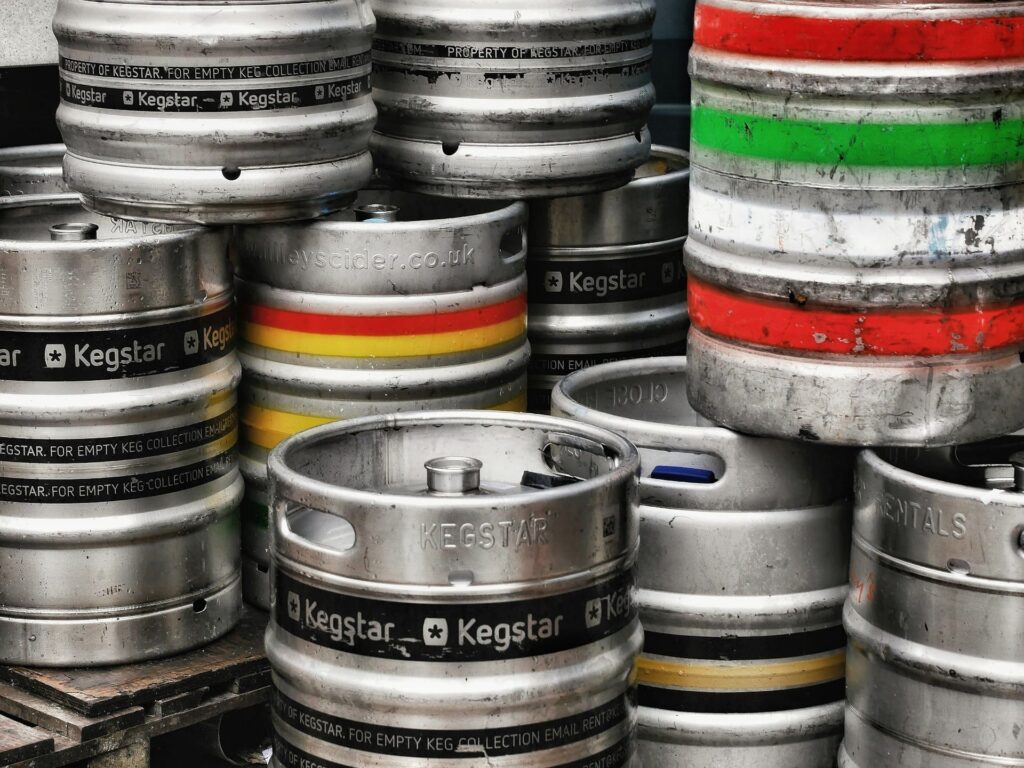
Not every brewery faces the same financial challenges, so a tactic that works well for one business may deliver little value to another. The best approach starts with determining where the money goes and matching each decision to the brewery’s size, priorities, and available resources.
Start With Your Biggest Brewery Operating Costs Centres
A brewery should begin with a clear breakdown of its expenses. If raw materials account for 30–40% of total costs, just-in-time inventory or bulk purchasing may create greater savings than streamlining online orders.
The most effective cost-saving strategies for breweries target the largest expenses first.
Consider Your Production Scale
Larger breweries can often gain more through economies of scale and bulk purchasing because they have greater production volumes and storage capacity.
A small, taproom-focused microbrewery may see stronger results from lowering overhead, controlling staffing costs, or using loyalty programmes to encourage repeat local visits.
Weigh Short-Term Relief Against Long-Term Investment
Some measures can produce savings almost immediately. Renegotiating a supplier contract or removing an underperforming beer from production requires little upfront spending.
Energy-efficient equipment, automation, and staff training demand greater investment but can generate savings over several years.
A brewery facing immediate cash pressure may need to prioritise fast returns, while a business planning several years can invest more heavily in infrastructure.
Don’t Implement Everything at Once
Trying to tackle all 20 cost-saving strategies for breweries simultaneously can overwhelm management and dilute attention. Selecting three to five measures that directly address the brewery’s biggest expenses allows teams to execute them properly and track the results.
Revisit the Strategy Regularly
Cost conditions rarely stay still. Tariffs, energy prices, freight rates, and ingredient costs can all change within months. A brewery should review its cost-management plan regularly and adjust its priorities as conditions evolve.
Treating cost management as an ongoing business process gives breweries a better chance of adapting before financial pressure, whilst selling beer becomes harder to manage.
Cost-Saving Strategies for Breweries: Protect Your Margins in a High-Cost Environment
Rising ingredient, packaging, energy, labour, and regulatory costs have made margin protection a daily priority for breweries. The businesses best positioned to address this environment treat these approaches as an ongoing discipline.
Strategised purchasing, leaner operations, technology, energy efficiency, and regular financial reviews can help breweries control spending while continuing to serve their customers well.
The Beer Post connects breweries with suppliers, industry news, and business opportunities that can help overcome these challenges. Explore smarter sourcing options or stronger connections with supply chain partners through The Beer Post!