
Disclaimer: This guide is for informational purposes only and does not constitute legal or professional advice. The content is based on publicly available research and official regulatory sources at the time of writing. Regulations change frequently, and The Beer Post accepts no responsibility for any inaccuracies or omissions. Always consult a qualified professional or the relevant regulatory authority before making compliance decisions.
Just like any other venture, thorough knowledge of the commercial brewing regulations in Singapore is a must before opening a brewery in the country. Licensing, food safety, customs, taxation, and operational requirements are all crucial in running a compliant business.
In our previous article, Craft Beer Industry in Singapore: Small Market, Big Opportunity, we looked at why the local market is buzzing. Now, it’s time to talk about how to actually build it.
This guide brings together who the major regulators are and how to clear your licensing hurdles to avoid the compliance traps that catch most founders.
How to Start a Brewery in Singapore
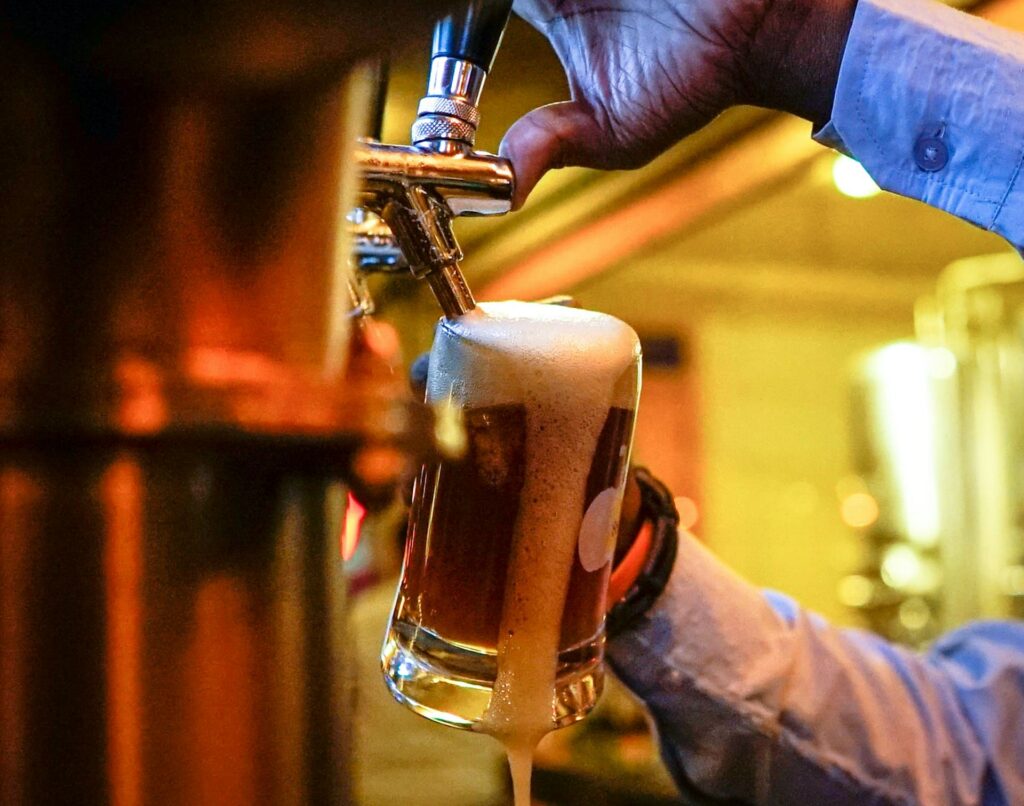
To get your taps flowing commercially in Singapore, you have to master the bureaucratic side of brewing first.
Register Your Business With ACRA
Every food and beverage business operating in Singapore must first register with the Accounting and Corporate Regulatory Authority (ACRA). Most breweries choose to incorporate as a private limited company (Pte Ltd) because this structure:
- Offers limited liability
- Supports future fundraising opportunities
- Separates business assets from the founders’ personal finances
Business registration also serves as an essential first step before applying for a brewery licence in Singapore and completing other regulatory requirements.
Decide on Your Production Scale Early
Production capacity influences many aspects of a brewery’s setup, including licensing, equipment investment, and operational planning. A microbrewery generally produces fewer than 15,000 barrels of beer each year and often focuses on craft or speciality styles.
Defining the intended production scale early allows business owners to identify the appropriate licensing pathway. Thus, it helps determine more accurate financial projections before committing to major investments.
Realistic Budget
Launching a brewery in Singapore requires significant upfront capital. A lot of businesses should expect startup costs ranging between SGD 300,000 and SGD 600,000, covering brewing equipment, facility setup, licensing fees, and other operational expenses.
Brewers planning to produce less than 1.8 million litres annually should also account for an annual production licence fee of S$8,400 as part of their recurring operating costs.
Choose Your Premises Carefully
The right premises support both operational efficiency and regulatory compliance. Brewing facilities must satisfy the Singapore Food Agency’s requirements for layout and equipment.
Property selection involves obtaining approval from the Urban Redevelopment Authority if a change of use is required. It also goes with meeting the National Environment Agency’s waste management requirements before operations can begin.
Plan for GST Registration
Businesses expecting annual taxable revenue above $1 million must register for Goods and Services Tax (GST). Singapore’s GST currently stands at 9%, and registered businesses must charge GST on taxable goods and services while meeting ongoing filing and reporting obligations.
Account for Staffing and Work Pass Requirements
Breweries planning to hire international talent should include employment regulations in their business planning. Depending on their role and qualifications, foreign employees may require:
- Employment Pass
- S Pass
- Work Permit
Each pass comes with specific salary requirements, eligibility criteria, and workforce quotas that employers should know before expanding their team.
Governing Bodies Behind Commercial Brewing Regulations in Singapore
Commercial brewing in Singapore involves working with several government agencies, each responsible for a different aspect of the industry’s regulatory framework. Much like the UK’s multi-agency system, Singapore does not rely on a single authority or licence to regulate breweries.
- Singapore Customs. This regulating authority is critical in governing breweries because beer is classified as a dutiable product.
- Singapore Food Agency (SFA). SFA manages food safety across the brewing industry. Its responsibilities fall under the Food Safety and Security Act 2025, including the former Sale of Food Act.
- Singapore Police Force (SPF). Selling beer requires a separate approval administered by the SPF. Under the Liquor Control (Supply and Consumption) Act 2015, the SPF issues liquor licence in Singapore for businesses selling alcohol through retail, wholesale, or on-premise consumption. Applications are submitted through the GoBusiness Licensing Portal, and operators must hold the appropriate licence before supplying alcoholic beverages to customers.
- Accounting and Corporate Regulatory Authority (ACRA). ACRA serves as Singapore’s business registrar. Every brewery must complete incorporation through ACRA before applying for operational licences issued by other government agencies.
- National Environment Agency (NEA). NEA regulates sanitation standards and waste disposal requirements for commercial premises. Brewery operators must meet the agency’s environmental requirements before commencing operations and continue following them throughout the life of the business.
- Inland Revenue Authority of Singapore (IRAS). IRAS oversees tax obligations for breweries. Businesses exceeding the GST registration threshold must register for GST, collect tax on taxable sales, and submit regular returns. IRAS also administers corporate income tax requirements.
Commercial Brewing Regulations in Singapore: The Core Rules
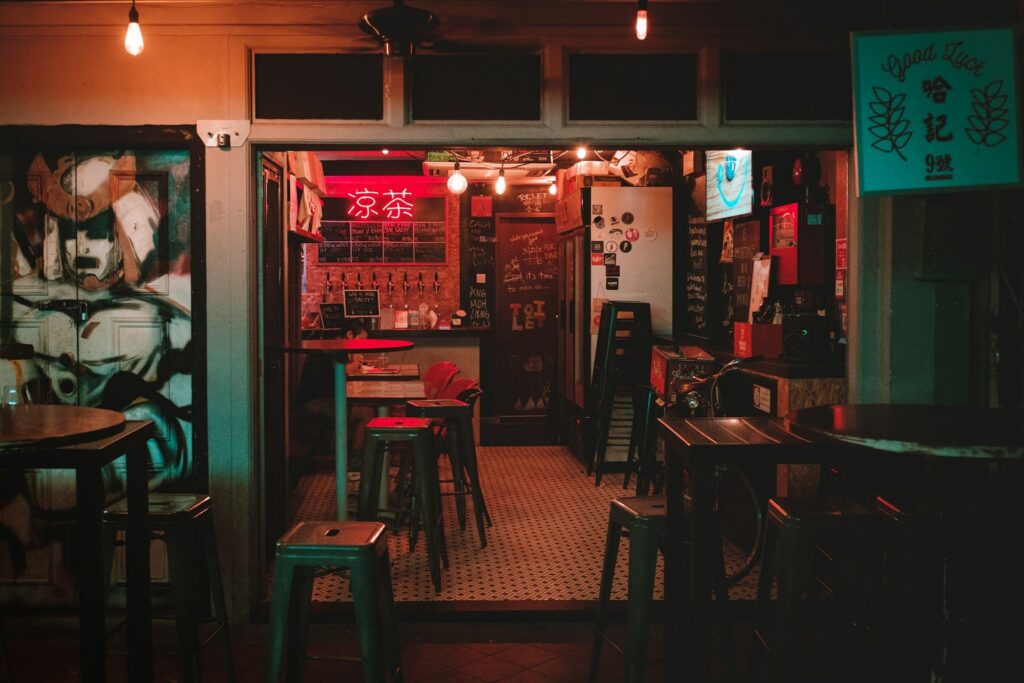
Every batch, sale, and product label must comply with the commercial brewing regulations in Singapore. Knowing these core rules early helps avoid costly delays, penalties, and operational disruptions while building a business that can grow confidently in Singapore’s tightly regulated market.
Excise Factory Scheme
Every microbrewery must obtain approval under the Excise Factory Scheme in Singapore before commercial production can begin.
Administered by Singapore Customs, this licence authorises breweries to manufacture dutiable alcoholic products within an approved excise factory. It also incorporates a storage licence and a bottling licence, allowing businesses to carry out multiple regulated activities under a single approval.
Before submitting an application, applicants must complete the TradeFIRST Self-Assessment Checklist and achieve the minimum qualifying band required by Singapore Customs. This assessment evaluates business practices and compliance readiness, making it an important step in the licensing process.
Excise Duty
Beer produced in Singapore is subject to excise duty, calculated according to its alcoholic strength.
Total excise duty payable = Total quantity in litres x Excise duty per litre of alcohol x Percentage of alcohol by volume (ABV)
For example, producing 1,000 litres of stout at 5% ABV results in an excise duty of S$3,000. Brewery owners should account for this cost when pricing products and forecasting cash flow, particularly as production volumes increase.
General Responsibilities of a Microbrewery Licensee
Obtaining a licence marks the beginning rather than the end of compliance obligations. Licensees must notify Singapore Customs whenever they produce a new batch of beer and may need to re-test the alcoholic strength of existing beer varieties if requested.
Regular reporting also forms part of the licence conditions. Every licensed brewery must maintain accurate production records and submit Monthly Brew Reports together with Monthly Sales Reports.
Licence holders cannot transfer the licence to another business, and sub-letting any part of the licensed excise factory is prohibited.
Liquor Licence in Singapore
Manufacturing beer does not automatically permit its sale. As mentioned, breweries intending to sell alcohol must obtain the appropriate liquor licence based on their business activities.
Sales involving less than 30 litres of liquor are treated as retail transactions, while larger quantities fall under wholesale licensing requirements. Licence categories also depend on the types of alcoholic beverages sold, approved trading hours, and whether customers consume the products on-site or elsewhere.
The Licensing Officer considers whether an applicant is a “fit and proper” person to hold a licence. Previous criminal convictions, compliance records under earlier licences, and cooperation during past regulatory investigations all influence the assessment.
Most liquor licences remain valid for up to one year, while a Class 5 temporary licence may only be issued for a maximum period of 30 days.
Food Safety (Under the New Food Safety and Security Act)
Singapore continues to modernise its food regulatory framework through the Food Safety and Security Act 2025, which Parliament passed on 8 January 2025. Implementation is taking place in stages, beginning with Tranche 1, covering defined food and non-packaged drinking water, which took effect on 28 November 2025.
Breweries operating taprooms, kitchens, or food service areas should monitor upcoming implementation phases carefully. Additional provisions are expected to come into force progressively between late 2025 and 2028.
Food Hygiene Officer and Staff Training Requirements
Breweries serving food have additional responsibilities beyond beer production. Every food operation must appoint at least one Food Hygiene Officer who has completed the WSQ Food Safety Course Level 2.
Staff involved in preparing, handling, or serving food must also complete the WSQ Food Safety Course Level 1 before carrying out food-handling duties. Regular staff training helps breweries maintain consistent food safety standards alongside their brewing operations.
Labelling Requirements
Product labels have become another important compliance area for breweries selling packaged beer. Amendments gazetted on 31 January 2025 and effective 30 January 2026 require the ingredient list on prepacked food and beverage labels to appear under a clear heading such as “Ingredients.”
Breweries must also identify flavourings as natural, nature-identical, or artificial whenever flavouring ingredients appear on the label. Existing packaging should be reviewed regularly to confirm it reflects these recently introduced requirements.
GST and Excise Duty Stack Together
Excise duty and Goods and Services Tax (GST) serve different purposes, and breweries must account for both. Excise duty applies according to the beer’s alcoholic strength, while GST currently stands at 9% for businesses required to register after exceeding the relevant turnover threshold.
Since both obligations apply to the same product, brewery owners should incorporate each cost into their financial planning, pricing strategy, and tax reporting processes.
Commercial Brewing Regulations in Singapore: Getting It Right From Day One
Success in Singapore’s brewing industry depends on more than crafting exceptional beer. Commercial brewing regulations in Singapore bring together customs law, food safety requirements, liquor licensing, and corporate compliance.
Regulatory readiness allows breweries to move beyond compliance and focus on sustainable growth in one of Asia’s most dynamic craft beer markets.
The Beer Post helps local and international breweries, brewpubs, and supply chain businesses connect with the right audience, strengthen their visibility, and build meaningful opportunities across the global beer industry.
Ready to grow your presence in Singapore? Subscribe to The Beer Post today to get started!