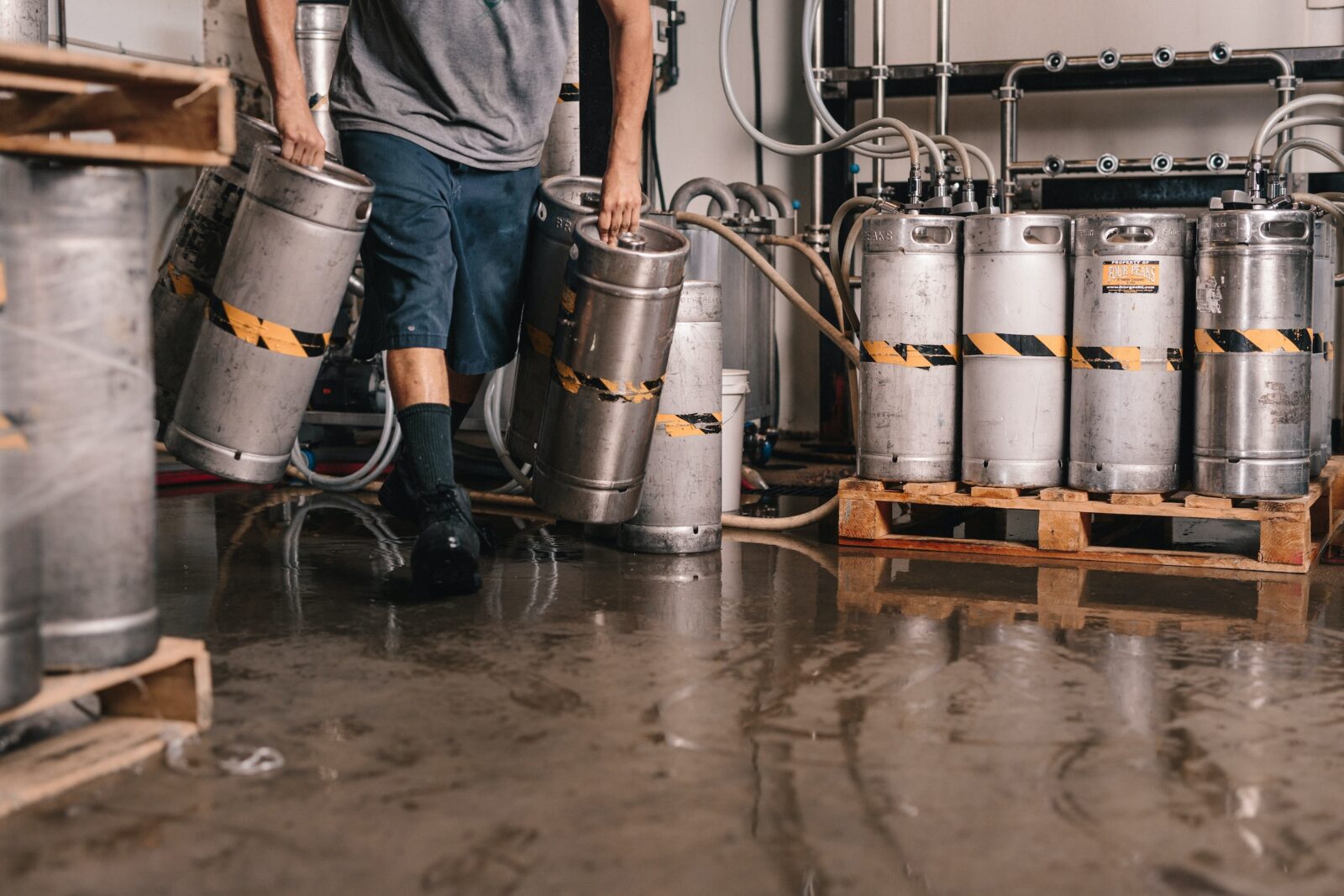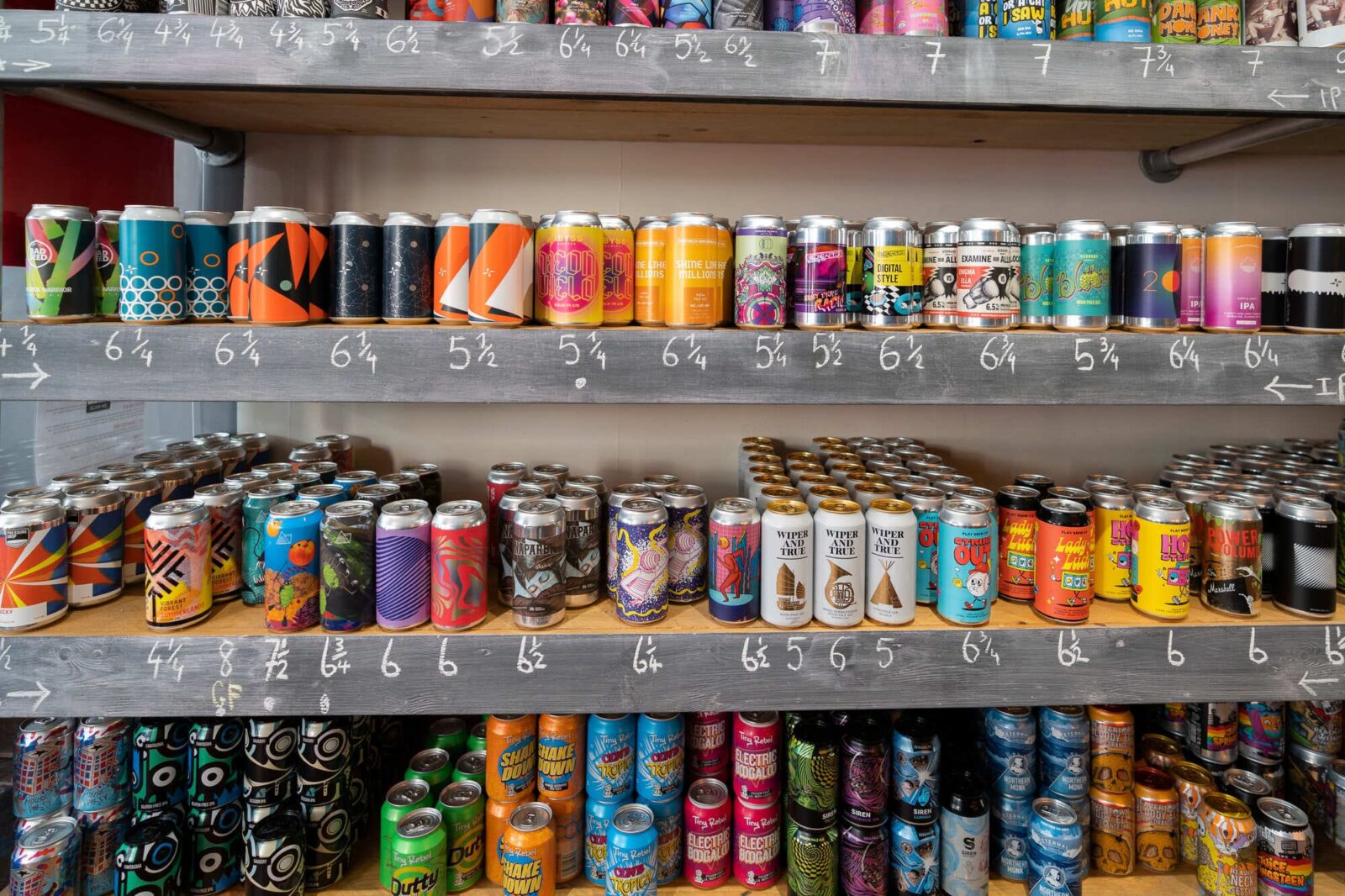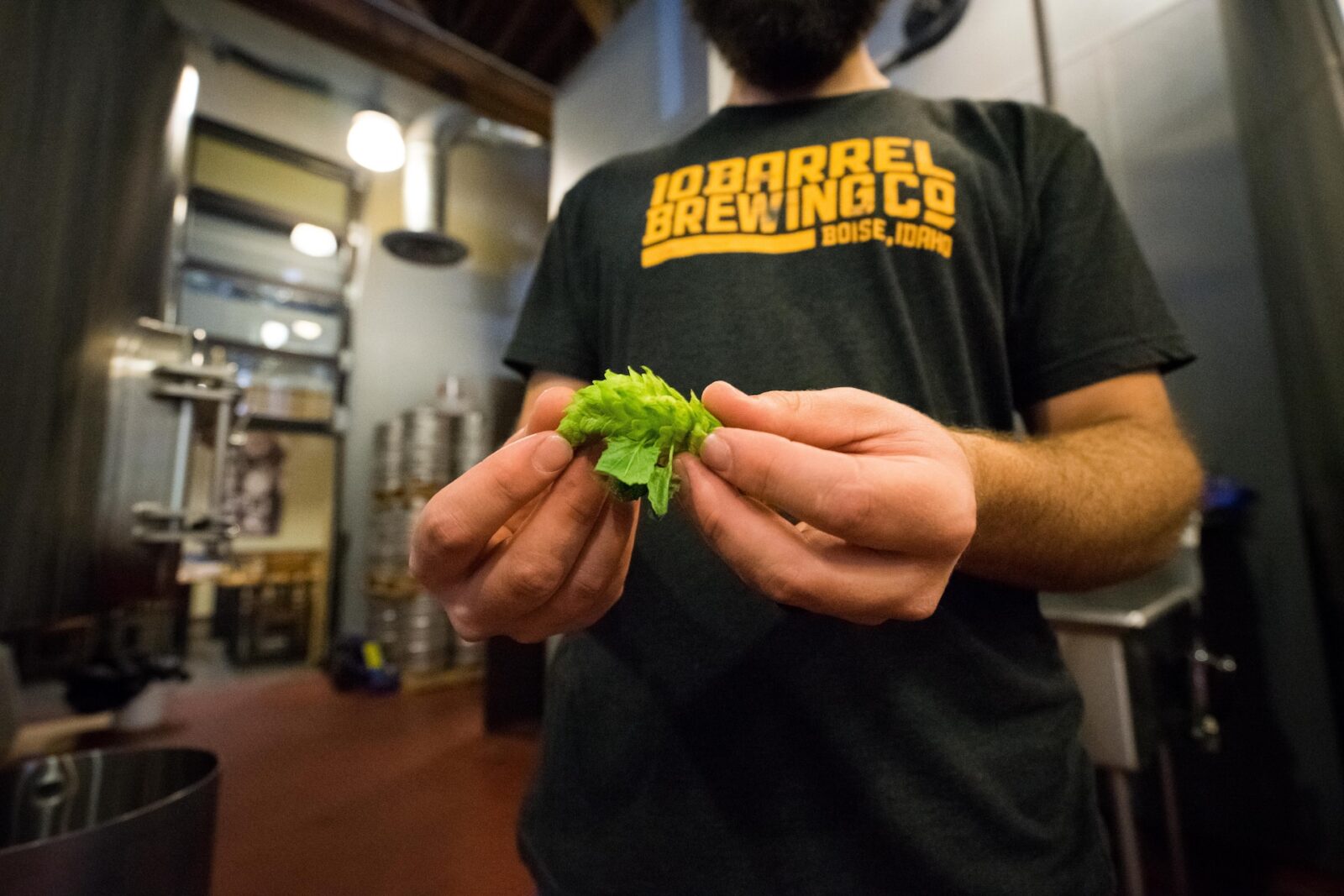
As the craft beer industry continues to grow, it’s essential for breweries to prioritize sustainability. Adopting eco-friendly practices not only benefits the environment but also enhances your brand reputation and can lead to long-term cost savings. In this article, we will explore ten practical ways in which craft breweries can become more sustainable.
As the craft beer industry continues to grow, it can be hard to stand out from the crowd. With so much competition, craft breweries need to get creative and come up with innovative ways to promote their brand. Here are 10 creative and unusual ways for craft breweries to promote their business in 2023.
As the craft brewing industry continues to experience exponential growth, many craft breweries are starting to feel the effects of inflation. With the cost of ingredients and labor on the rise, craft breweries are looking for new and innovative ways to save money and stay afloat in these turbulent economic times. This article will provide 20 cost-saving strategies that craft breweries can employ to help them survive inflation in 2023. Each of these strategies has proven to be effective in helping craft breweries cut costs, increase efficiency, and remain profitable.
Low-to-no beer, cider, wine, and spirit products grew over 7% in volume across 10 key global markets in 2022, according to fresh data from IWSR Drinks Market Analysis.
Mexico is a beer-loving country, but it was relatively late to the craft beer scene, until now. Cerveza Mexico 2022 recently wrapped up in Mexico City. The three-day celebration of craft beer which drew over 16,000 attendees to the World Trade Center in late October culminated with the announcement of the winners of the Cerveza Cup 2022, a prize which recognizes the best in Mexican craft beer.
Craft brewers are starting to think of themselves as beverage companies rather than breweries, writes Maria Pearman, Beverage Practice Leader at US accounting and advisory firm GHJ.
Independent craft brewers in the UK dramatically expanded their routes to market through online webshops, taprooms and independent off-trade during the pandemic: all likely to become a ‘permanent additional string to independent brewers’ bows’.
Premiumization has been key in the low and no alcohol category to date. With the cost-of-living crisis, does this open up opportunities for the low and no-alcohol category to develop products in the economy space?
Brewers have long been at the forefront of environmental causes and sustainable initiatives. From recycling to energy-efficient equipment, craft breweries have long worked to leave a minimal footprint in a very resource-heavy industry. The recent shock on fuel prices and rising energy costs along with an aging power grid in many states has caused breweries of all sizes to think about alternative energy sources or bringing equipment in-house to keep the lights on and taps flowing.