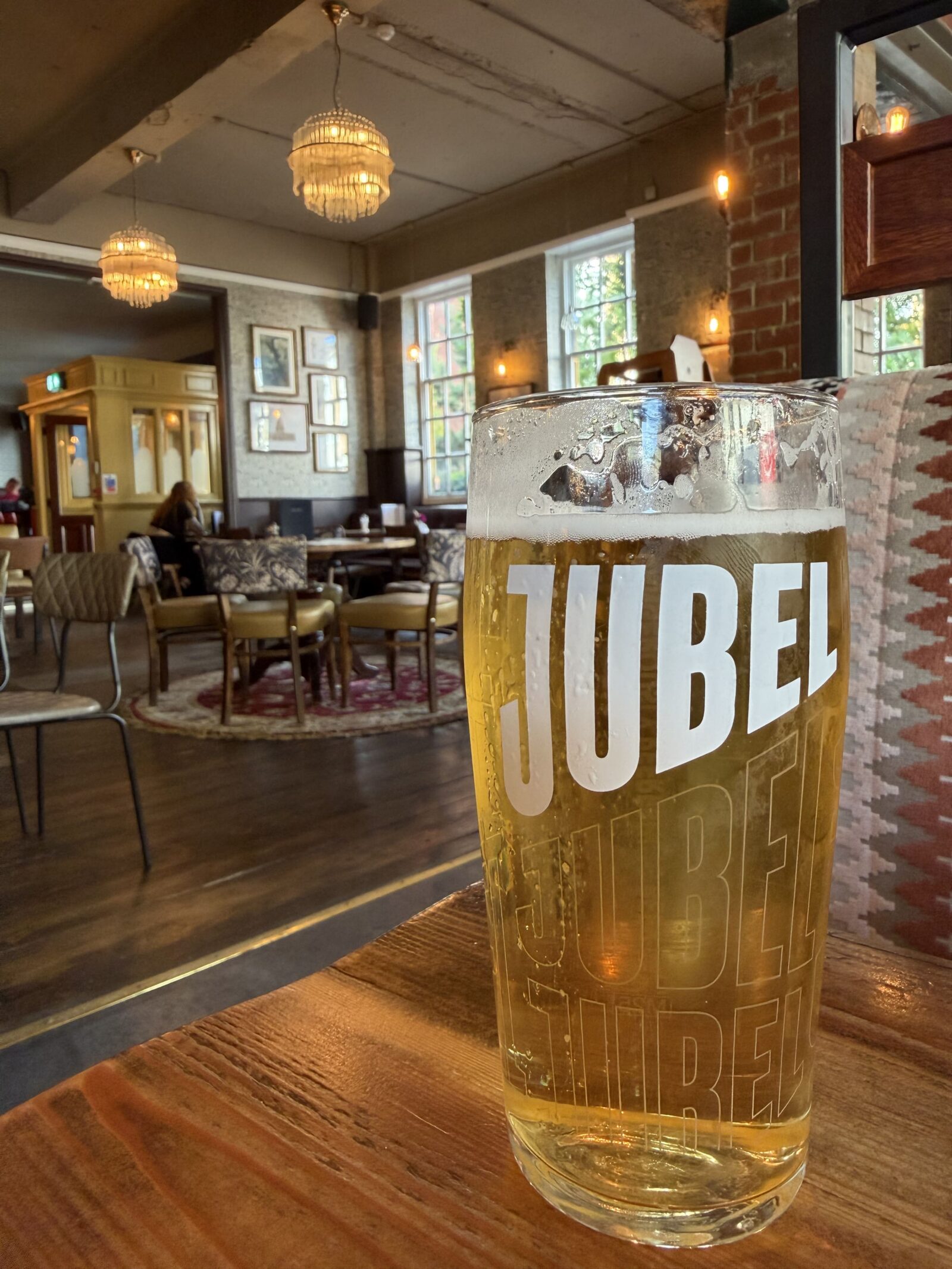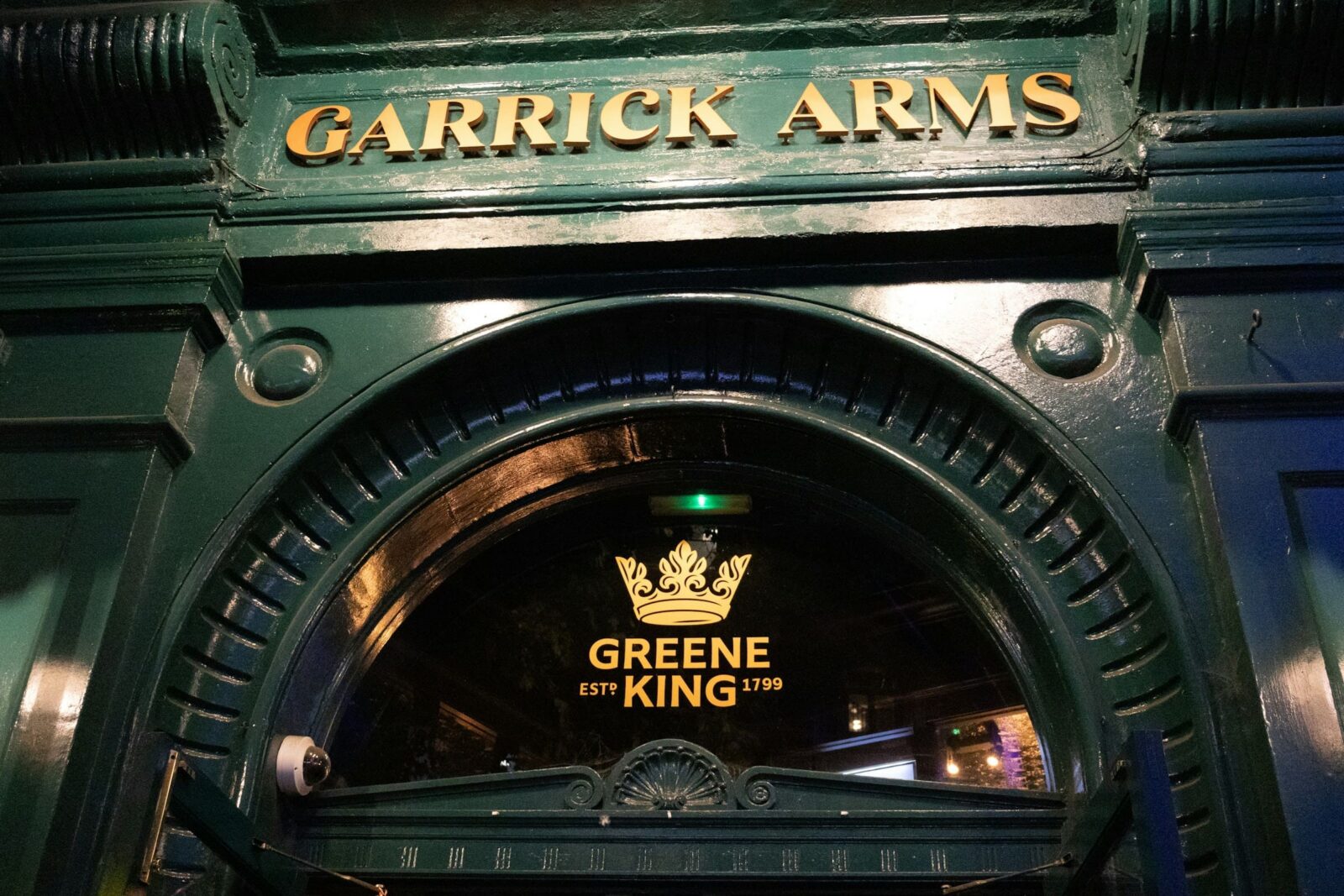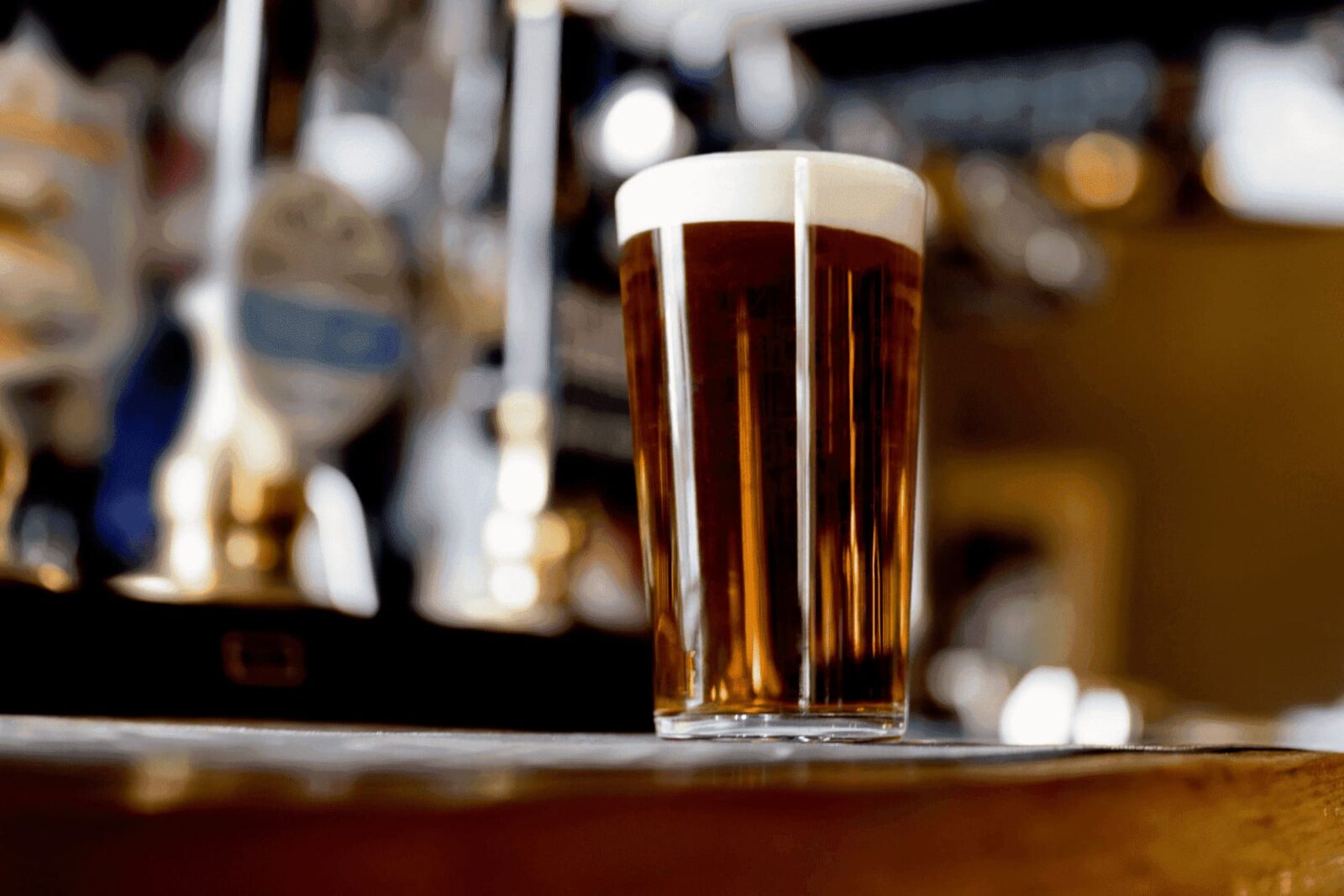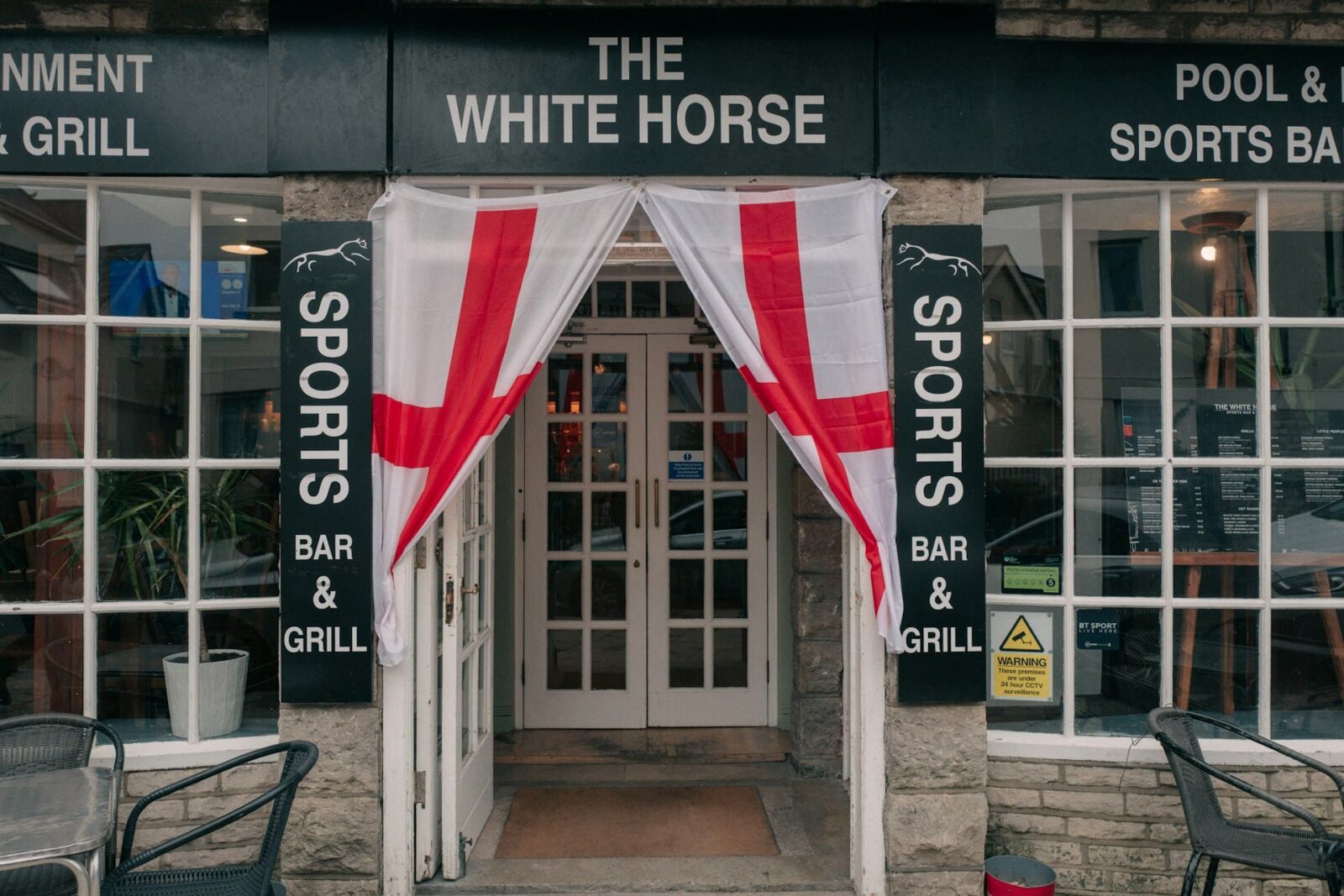
The price of a pint is back in the spotlight as World Cup fans fill pubs, buy rounds and gather around big screens. Football tournaments are supposed to be good news for pubs, but this year many drinkers are noticing something before the first whistle has even blown: the round is a lot more expensive than it used to be.
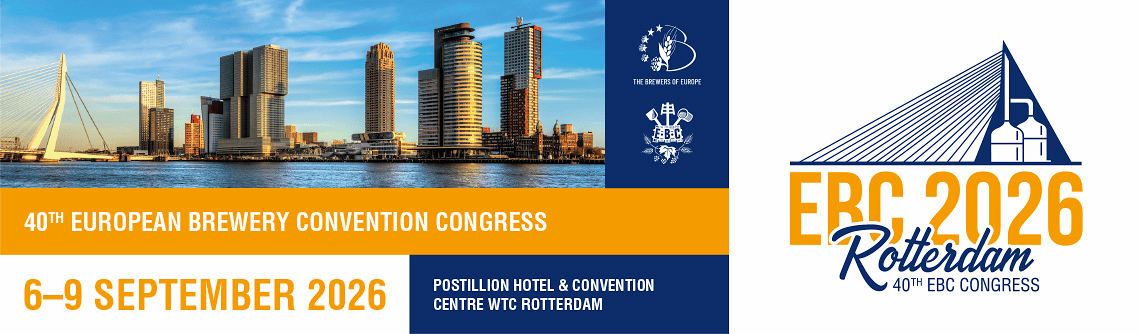
Taking place from 6–9 September 2026, the congress will be hosted at the Postillion Hotel & Convention Centre WTC Rotterdam, right in the heart of the city. For brewing professionals, researchers, suppliers, academics, technical experts, and anyone involved in the future of beer production, EBC 2026 is shaping up to be one of the most important industry events of the year.
In the United States, every brewery operates within a layered legal rules that includes federal, state, and local oversight. A solid understanding of commercial brewing regulation in the US is critical for getting a business off the ground. Overlooking any part of these rules can easily trigger costly delays or completely stall an opening.
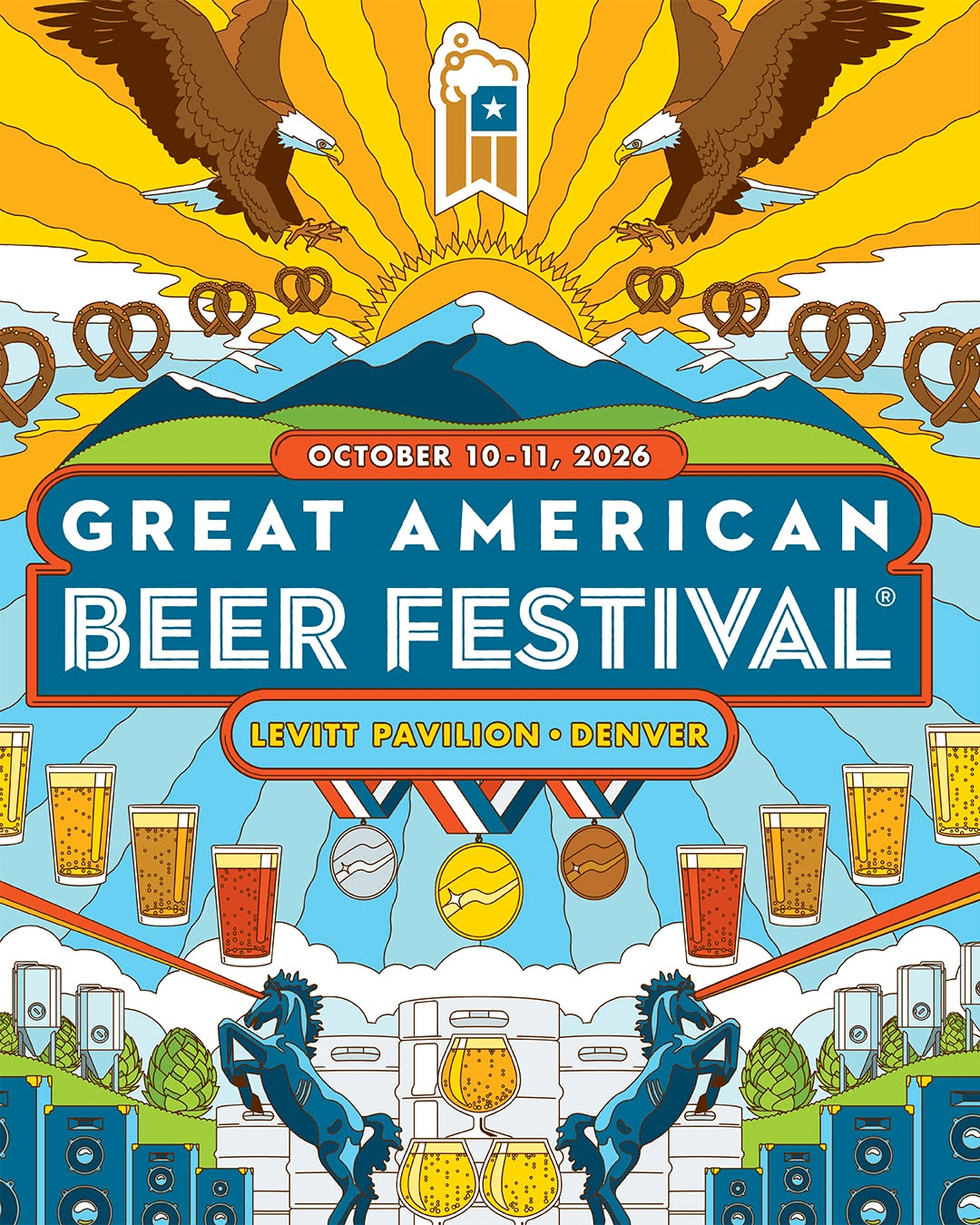
For craft beer fans, brewers, cider makers, food lovers, and anyone planning a trip to Denver, the 2026 edition of the Great American Beer Festival is shaping up to be a major year. The event will feature two daytime festival sessions, a new open-air setting, ticket options for single-day and two-day admission, designated-driver tickets, and the return of the popular PAIRED food-and-beer experience.
Britain’s brewing industry has faced mounting pressure in recent years, as evolving trends have created a challenging environment for breweries of all sizes. These pressures are no longer temporary obstacles; they have become ongoing business realities that demand careful planning and adaptability.
Every brewery owner reaches the same moment sooner or later. The beer is brewed, the branding is finished, the labels look great, and the first batch is ready to leave the warehouse. But how does that beer actually make its way onto a bar in a pub?
Corporate pub ownership in the UK grew rapidly after the 1989 Beer Orders, changing control from breweries to large pub companies (pubcos) that now dominate much of the hospitality industry.
British pubs are disappearing at an alarming rate, with the UK potentially losing 16,000 more pubs by 2050 if current closure trends continue. Rising costs, taxation, changing consumer habits, and property pressures are driving the decline.
Over the last two decades, the UK has seen a remarkable resurgence of small, community-centric pubs known as micropubs. These modest venues – often occupying former shop premises, converted warehouses, or even railway arches – have grown from a niche concept into a thriving part of British pub culture. They offer an alternative to both corporate pub chains and the struggling traditional pub model, proving that sometimes, smaller really is better.