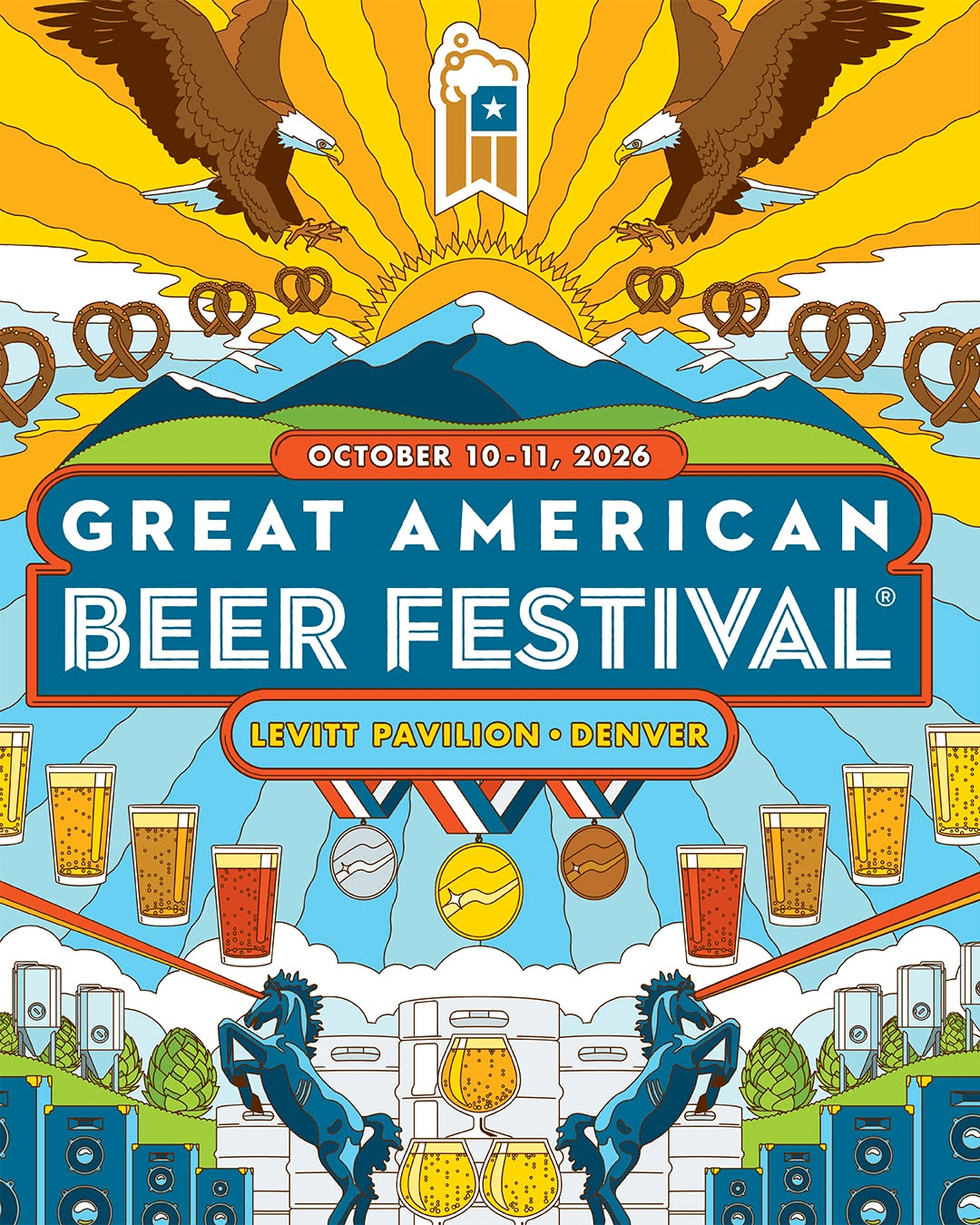
For craft beer fans, brewers, cider makers, food lovers, and anyone planning a trip to Denver, the 2026 edition of the Great American Beer Festival is shaping up to be a major year. The event will feature two daytime festival sessions, a new open-air setting, ticket options for single-day and two-day admission, designated-driver tickets, and the return of the popular PAIRED food-and-beer experience.

Reaching brewery buyers has become increasingly difficult in a crowded digital environment. Procurement teams and brewery owners often receive a constant stream of messages through social media, search engines, trade shows, publications, and industry networks.
The trade show is over. The booth has been packed away, the banners rolled up, and the team heads home carrying a thick stack of business cards. After days of conversations, product demonstrations, and networking, optimism runs high.
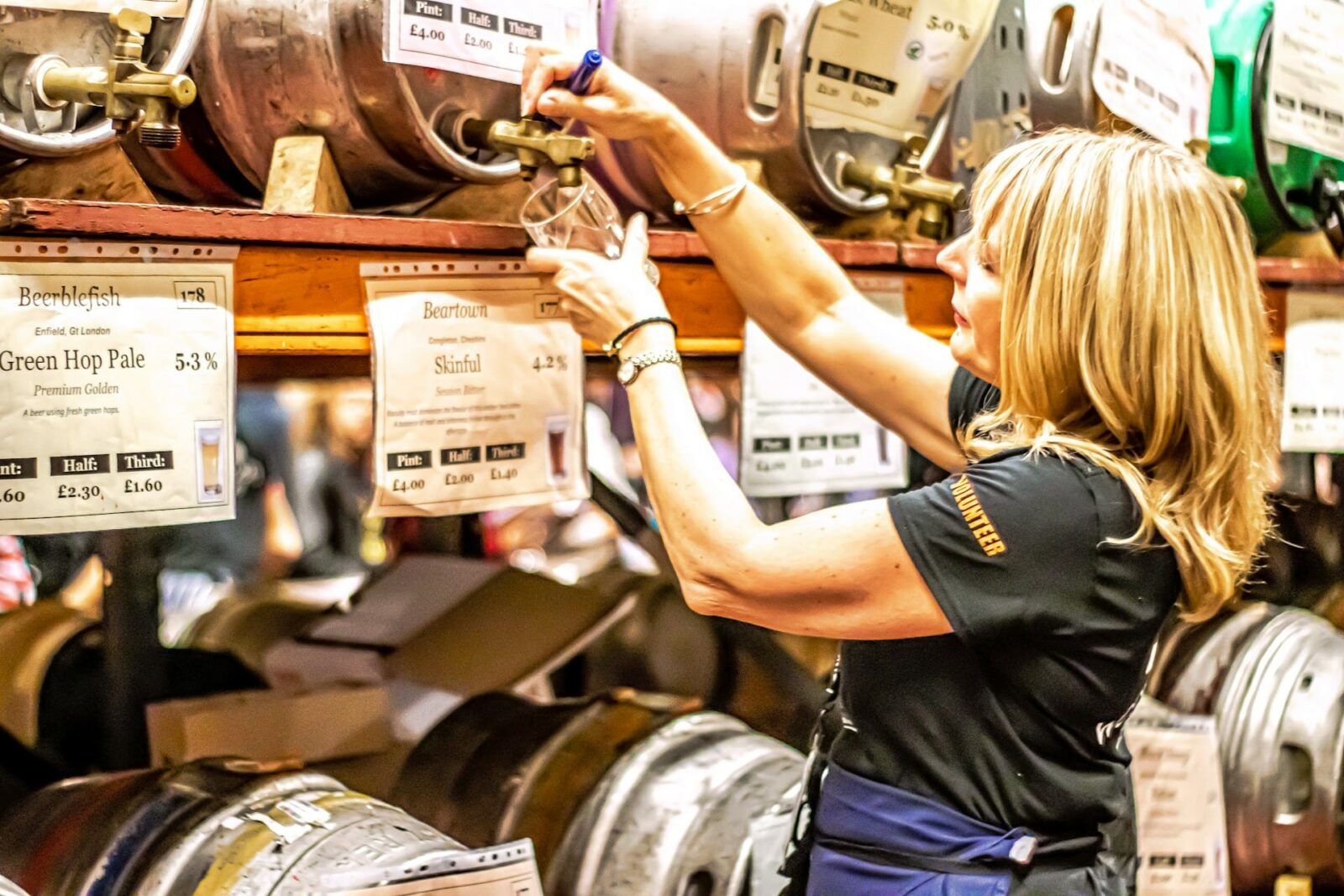
British pubs are disappearing at an alarming rate, with the UK potentially losing 16,000 more pubs by 2050 if current closure trends continue. Rising costs, taxation, changing consumer habits, and property pressures are driving the decline.
Lead generation is central to business growth because it systematically attracts prospects with a demonstrated interest in a company’s offerings.
Over the last two decades, the UK has seen a remarkable resurgence of small, community-centric pubs known as micropubs. These modest venues – often occupying former shop premises, converted warehouses, or even railway arches – have grown from a niche concept into a thriving part of British pub culture. They offer an alternative to both corporate pub chains and the struggling traditional pub model, proving that sometimes, smaller really is better.
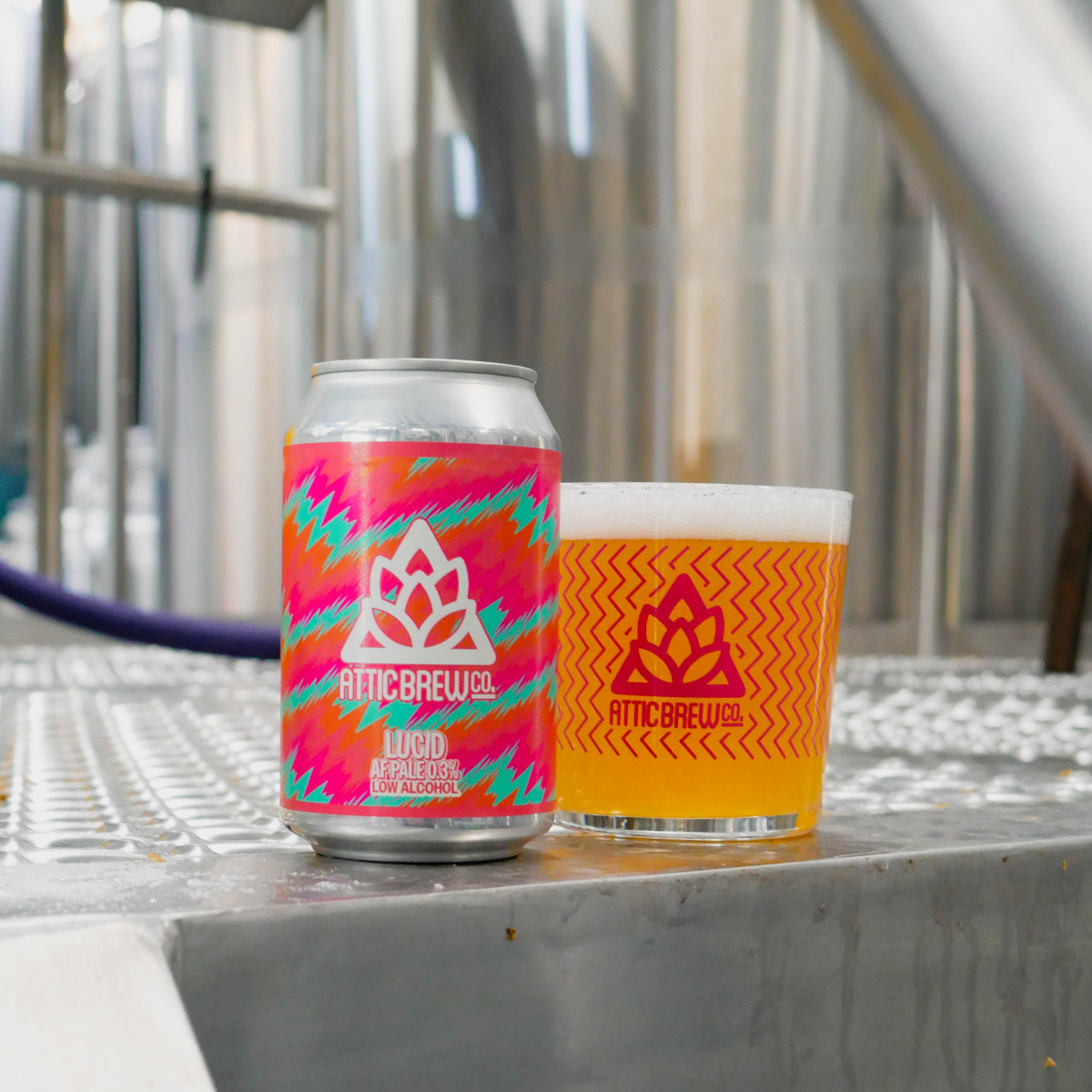
Attic Brew Co, a fast-growing Birmingham craft brewery, has received a grant under the West Midlands Combined Authority’s energy efficiency scheme to reduce its carbon emissions by 65 tonnes annually and save £30,000 in energy costs.
This article explores how the craft beer movement, originally celebrated for its independence and creativity, has been co-opted by multinational corporations. Once a subversive alternative to mass-produced beers, many beloved craft breweries have been sold to global giants like Heineken and AB InBev, often misleading drinkers who still believe they are supporting small, independent producers.
The total number of breweries has continued to decline despite strong sales being reported by the sector, new data has found.